
Trump signs new executive orders banning birth tourism and limiting birthright citizenship
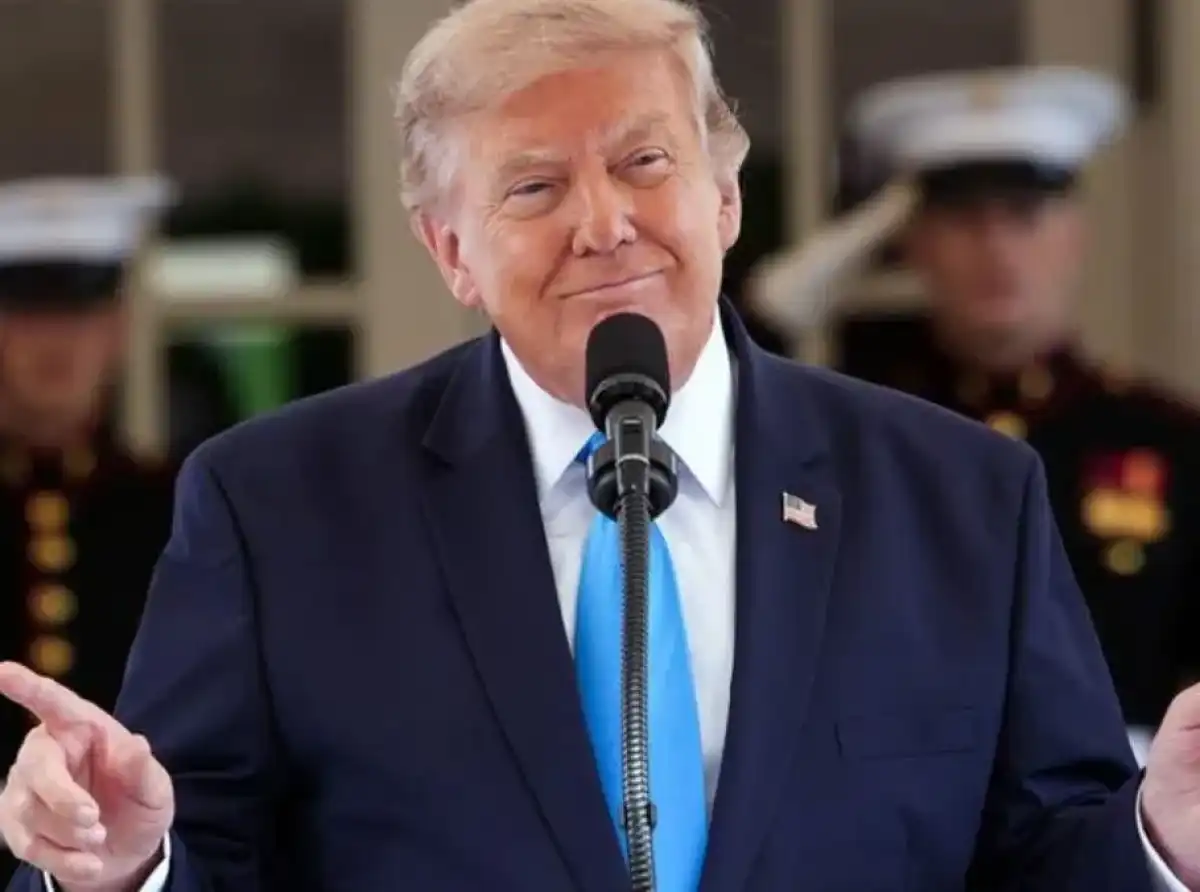
U.S. President Donald Trump has signed two new executive orders aimed at restricting birthright citizenship, reviving one of his administration's most controversial immigration policies despite a recent U.S. Supreme Court ruling declaring an earlier version unconstitutional.
The latest orders, signed on Thursday, take a narrower approach than the executive order Trump issued shortly after returning to office in 2025. Rather than broadly targeting children born to undocumented immigrants and temporary visitors, the new directives focus on what the White House describes as abuses of the immigration system, particularly "birth tourism."
The move represents the Trump administration's latest effort to reinterpret the Citizenship Clause of the 14th Amendment to the U.S. Constitution, which has traditionally guaranteed citizenship to nearly everyone born on American soil.
The administration says the new executive orders are intended to prevent foreign nationals from travelling to the United States primarily to give birth so their children automatically obtain American citizenship.
Speaking during the signing ceremony in the Oval Office, White House Deputy Chief of Staff Stephen Miller announced that the administration was ending what it considers an abuse of U.S. immigration laws.
That practice of birth tourism is, as of the signing of this order, hereby banned," Miller declared.
Trump has repeatedly argued that birth tourism exploits America's immigration system and imposes unnecessary costs on taxpayers.
According to an estimate by the Center for Immigration Studies, between 20,000 and 25,000 women travelled to the United States for birth tourism during a one-year period between 2016 and 2017. However, no official government data exists on the total number of such cases.
The United States recorded approximately 3.6 million births in 2025.
Unlike the administration's earlier attempt, the new executive orders focus on narrower categories of individuals.
The directives seek to limit automatic citizenship for:
- Children born to foreign government employees stationed in the United States.
- Children of individuals classified under U.S. law as "alien enemies."
- Certain categories linked to birth tourism.
The orders could also affect people born in U.S. territories if Congress later approves separate legislation ending automatic citizenship in those territories.
Administration officials argue these measures fall within historical exceptions already recognised under U.S. constitutional law.
Trump's latest action follows a significant legal defeat on June 30, when the U.S. Supreme Court struck down his previous executive order on birthright citizenship.
That earlier directive instructed federal agencies not to recognise the citizenship of children born in the United States if neither parent was a U.S. citizen or lawful permanent resident. The policy would have affected children born to undocumented immigrants and many temporary visa holders.
Following the ruling, Trump urged Congress to pass legislation restricting birthright citizenship but has now returned to executive action with a more limited proposal.
The administration insists the latest orders do not conflict with the Supreme Court's decision because they focus on narrower constitutional exceptions.
Immigration advocates and constitutional experts have already indicated that the new executive orders are likely to face immediate legal challenges.
Civil rights organisations argue the administration is attempting to circumvent the Supreme Court's ruling rather than comply with it.
The American Civil Liberties Union (ACLU) predicted the orders would ultimately fail in court.
Deborah Fleischaker, a former Biden administration official now serving with the Hispanic civil rights organisation UnidosUS, accused the White House of ignoring the Constitution.
"Just five weeks ago, the Supreme Court made clear that birthright citizenship is not subject to a president's whims. It is a constitutional guarantee that has stood for more than 150 years. Today's executive orders are nothing more than an attempt to get around that ruling," she said.
The Women's Refugee Commission also warned that the measures could negatively affect pregnant women seeking lawful entry into the United States.
During the signing ceremony, President Trump openly criticised the Supreme Court's June decision, calling it "very unfortunate."
He argued that businesses have developed around birth tourism and insisted his administration would not allow the practice to continue.
That's not the way it's supposed to work. It's a disgrace. They're buying their way in, and we're not going to let it happen," Trump said.
The president also argued that the 14th Amendment was originally intended to grant citizenship to formerly enslaved people following the American Civil War, rather than to modern-day immigrants.
Legal scholars note that the Citizenship Clause of the 14th Amendment has long been interpreted as granting citizenship to almost every child born in the United States, with only narrow exceptions such as children of accredited foreign diplomats or members of an invading military force.
Chief Justice John Roberts wrote that the framers of the amendment intended citizenship to be guaranteed to all persons born in the United States who fall under the country's jurisdiction.
All persons born or naturalized in the United States, and subject to the jurisdiction thereof, are citizens of the United States and of the state wherein they reside."
With legal challenges expected almost immediately, the courts are once again likely to determine whether President Trump's latest attempt to restrict birthright citizenship can withstand constitutional scrutiny.

Aikines Anyomi

News
Food
Politics
Technology
About Us
Download Our Mobile App

