
TraffiTech is a step in the right direction – Former DVLA Boss
Former Chief Executive of the Driver and Vehicle Licensing Authority (DVLA), Justice Yaw Amegashie, has welcomed the introduction of the TraffiTech-GH automated traffic enforcement system, describing it as a step in the right direction towards improving road safety and reducing indiscipline on Ghana’s roads.
He believes the technology-driven initiative will make motorists more conscious of traffic regulations and the consequences of violating them.
Speaking in an interview with media personality Kafui Dey on his YouTube vlog, Justice Amegashie said the use of technology could reduce opportunities for motorists to negotiate their way out of traffic offences.
He argued that automated enforcement would help limit human interference in the detection and reporting of violations, making the process more transparent and difficult to manipulate.
"It is a step in the right direction. At least, it remains a human factor in dealing with the issue, and once the technology and information come to you, you will know that it is not something that is manipulated by anybody; it is technology, so you cannot dispute what you did," he said.
"Once it eliminates the human factor, then you are sure that the result or the expectations (of the TraffiTech) will work," he added.
While welcoming the initiative, the former DVLA chief said its effectiveness should be assessed after an initial period of implementation.
He proposed that research be conducted within two to three months to determine whether the system is achieving its intended objectives and identify areas that may require improvement.
"I am happy with it. Let us make an analysis in about two or three months and see what the impact is, and maybe we will become more disciplined than we are now," he noted.
His recommendation highlights the importance of measuring the system’s impact on driver behaviour, compliance with traffic regulations and road safety outcomes.
TraffiTech-GH is an automated traffic law enforcement initiative introduced by the Ghana Police Service to improve compliance with road traffic regulations and help reduce road crashes.
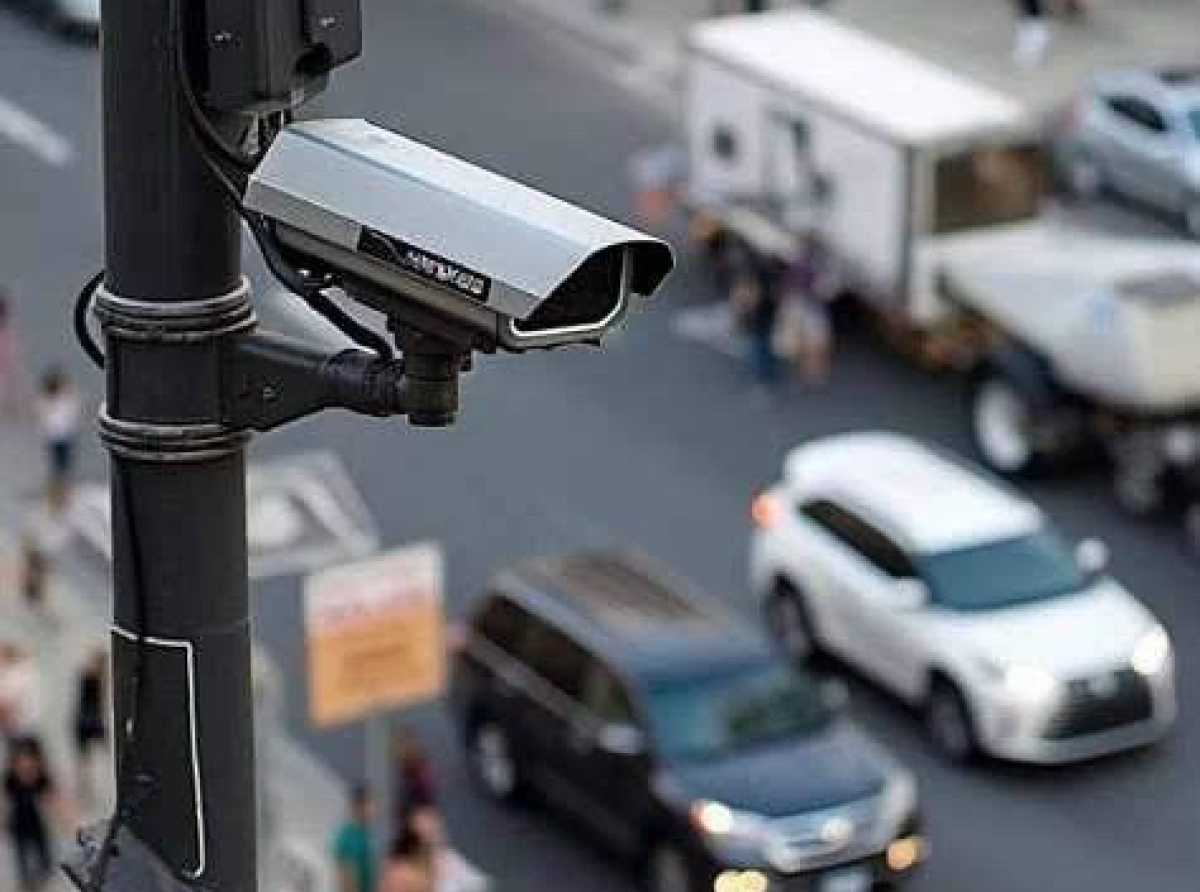
The system uses cameras and other monitoring equipment to detect violations, including speeding and running red lights.
Offences captured by the technology are reviewed before electronic notices are issued to vehicle owners.
The initiative is intended to strengthen enforcement by using technology to identify traffic violations and reduce reliance on direct roadside interventions.
Justice Amegashie's comments add to the public discussion surrounding the introduction of automated traffic enforcement and its potential to improve discipline on Ghana's roads.

Aikines Anyomi

News
Food
Politics
Technology
About Us
Download Our Mobile App

