UK law enforcement destroyed my reputation and integrity, ex-Nigerian oil minister tells BBC
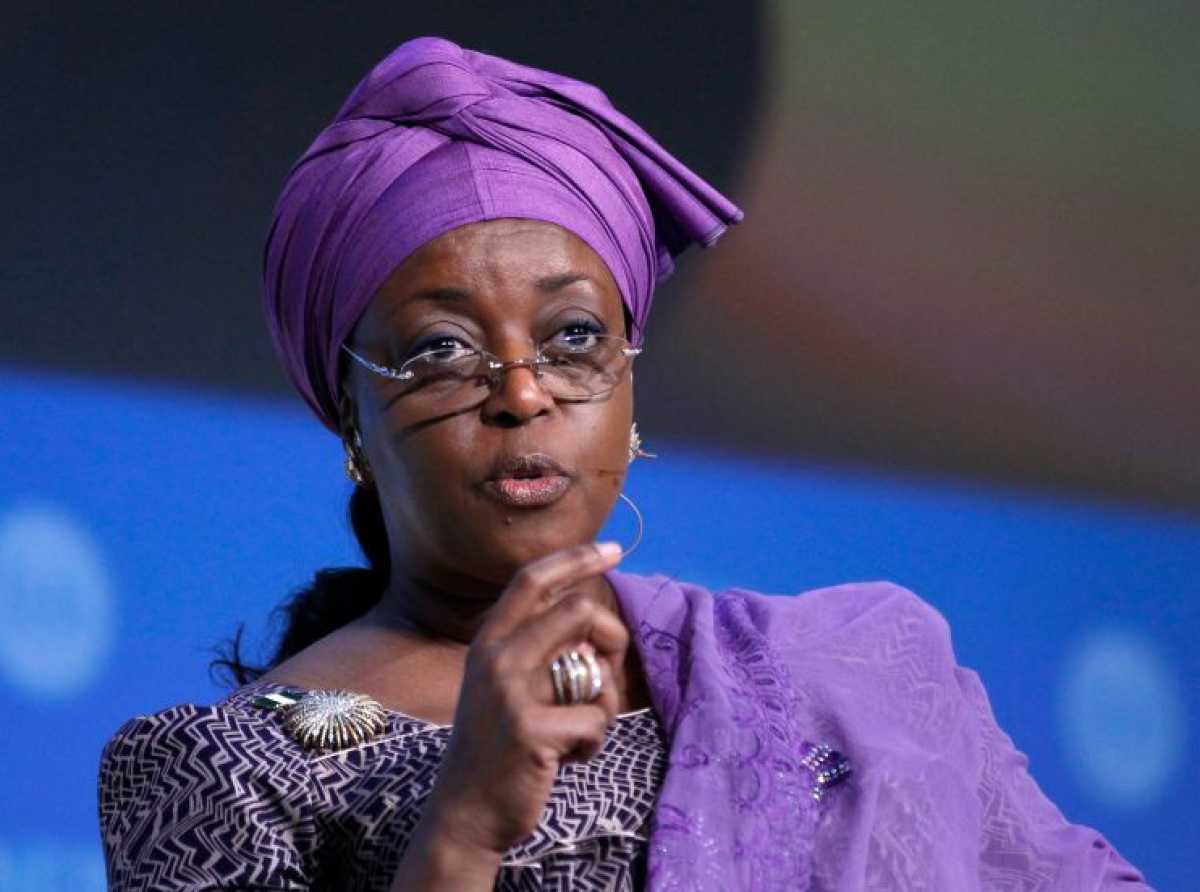
Former Nigerian oil minister Diezani Alison-Madueke has criticised UK authorities following her acquittal on bribery charges, arguing that a lengthy investigation and prosecution severely damaged her reputation, career, and personal life.
Speaking to the BBC after being cleared by a jury at Southwark Crown Court, Alison-Madueke described the 13-year investigation as a painful ordeal that she believes could have been handled differently.
I've not been allowed to travel. I've not been allowed to work. They destroyed my reputation and my integrity,” she said.
Alison-Madueke, who served as Nigeria's petroleum minister between 2010 and 2015 and became the first woman to lead Organization of the Petroleum Exporting Countries, was arrested in 2015 but was not formally charged until 2023.
She faced five counts of accepting bribes and conspiracy to commit bribery. Prosecutors alleged that wealthy oil businessmen who benefited from government contracts funded luxury purchases and services for her, including expensive properties, chauffeur-driven vehicles, and luxury goods.
After a trial that began in January, a jury found her not guilty on all charges.
Reflecting on the experience, she said the restrictions placed on her life during the investigation had significant emotional and psychological consequences.
“When your freedom is taken away from you… it has a very deep impact upon you psychologically.”
Throughout the trial, defence lawyers argued that key documents that could have supported Alison-Madueke's defence had disappeared in Nigeria.
According to her, these records included receipts that allegedly showed reimbursements for expenses that prosecutors claimed were bribes.
She said the documents were removed from her residence in Abuja in 2015 and that she does not know what subsequently happened to them.
Former Nigerian President Goodluck Jonathan also submitted evidence indicating that it was common practice for third parties to cover travel and accommodation expenses for ministers on official assignments.
Asked who was responsible for the failed prosecution, Alison-Madueke suggested that responsibility lay with multiple parties.
There's a bit of blame everywhere.”
She urged Nigerian authorities to review their investigative processes and called for greater sensitivity from foreign law enforcement agencies handling politically sensitive cases.
Alison-Madueke argued that investigators failed to adequately consider the political environment in which she operated and the reforms she says she pursued within Nigeria's oil sector.
She also highlighted the challenges she faced as a woman occupying one of the most powerful positions in the country's energy industry.
I was the first female to enter this sort of position as petroleum minister and as head of Opec in a very misogynistic society.”
Responding to the criticism, the National Crime Agency said the investigation was extensive, complex, and conducted impartially in collaboration with international partners.
According to an agency spokesperson, evidence gathered during the investigation was reviewed by the Crown Prosecution Service before charges were authorised.
The agency stated that it respects the jury's verdict.
Despite her acquittal, questions remain over assets previously linked to the former minister.
In 2023, the United States Department of Justice announced the recovery of approximately $53 million in assets connected to two oil businessmen referenced during the case.
Separately, Nigeria's Economic and Financial Crimes Commission reported in 2022 that it had recovered more than $153 million and over 80 properties allegedly associated with Alison-Madueke.
The former minister disputed suggestions that the recovered assets had been directly traced to her.
“The assets that have been forfeited were not actually traced directly to me,” she said.
She added that, following her acquittal, she now intends to examine what became of the various asset recovery proceedings and allegations made during the years-long investigation.
The verdict closes one of the most high-profile international corruption cases involving a former Nigerian government official, though debate over the allegations, recovered assets, and broader anti-corruption efforts is likely to continue.

Aikines Anyomi

News
Food
Politics
Technology
About Us
Download Our Mobile App

