
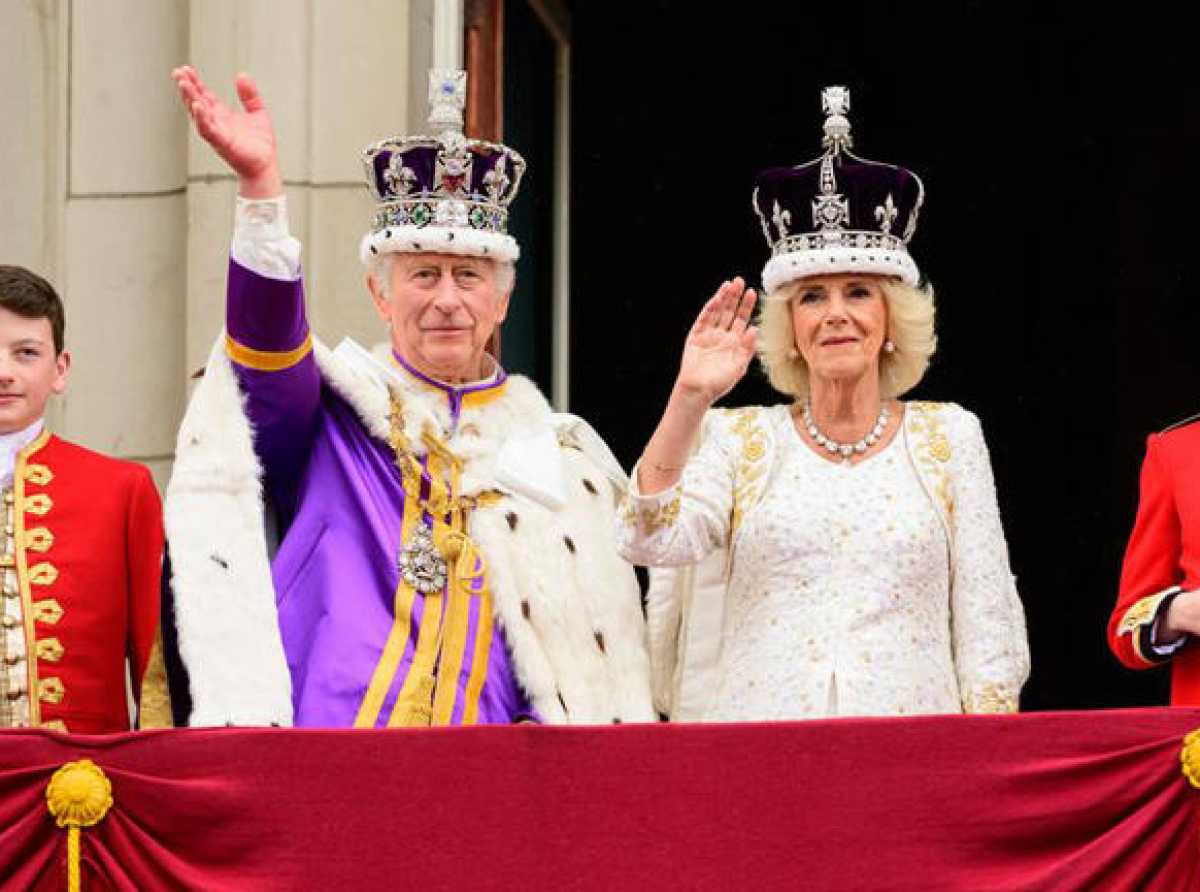
King Charles III and Queen Camilla will not move into Buckingham Palace after the completion of its decade-long refurbishment programme, choosing instead to continue living at Clarence House, royal officials have confirmed.
The announcement means that despite the extensive renovation of Britain's most iconic royal residence, Buckingham Palace will continue to serve primarily as the administrative and ceremonial headquarters of the monarchy rather than the King's permanent home.
The palace, which has served as the official London residence of British monarchs for nearly 200 years, is expected to complete its major refurbishment project in 2027.
Speaking to reporters on Thursday, James Chalmers, the King's Treasurer and Keeper of the Privy Purse, said Buckingham Palace would continue to play its central constitutional and ceremonial role.
According to him, the palace will remain the principal venue for official state functions, royal ceremonies, and the reception of visiting heads of state and foreign dignitaries.
"It is and will remain monarchy HQ, the crown jewel of our national buildings," Chalmers said.
Although King Charles will continue residing at nearby Clarence House, Buckingham Palace will remain the operational centre of the British monarchy.
Buckingham Palace has been the official London residence of the British sovereign since Queen Victoria ascended the throne in 1837.
The 775-room palace serves multiple functions, housing royal offices, administrative departments, state apartments, reception rooms, and accommodation for members of the Royal Household.
In 2017, extensive renovation works began to modernise the historic building, replacing ageing electrical systems, plumbing, heating infrastructure, and other essential services that had not undergone major upgrades for decades.
The refurbishment project is expected to conclude next year at an estimated cost of £369 million (approximately US$487 million).
Officials say the investment is intended to preserve one of Britain's most important historic buildings while ensuring it remains fit for purpose for generations to come.
Royal officials also disclosed that visitors will enjoy greater public access to Buckingham Palace once renovation works are completed.
Although details of the expanded visitor programme have yet to be announced, the move is expected to enhance public engagement with one of the United Kingdom's most recognisable landmarks.
Approximately 700,000 people visit Buckingham Palace each year, making it one of Britain's most popular tourist attractions.
The palace is internationally recognised for hosting state banquets, investiture ceremonies, diplomatic receptions, and other significant royal events.
Separately, King Charles made history by publicly disclosing details of his personal tax payments for the first time since becoming monarch in 2022.
Royal officials revealed that the King voluntarily paid £12.9 million in taxes during the 2024/25 financial year.
Although British monarchs are not legally required to pay income tax, capital gains tax, or inheritance tax, King Charles has continued the voluntary practice introduced by his mother, the late Queen Elizabeth II, in 1993.
The disclosed figure places the King among the United Kingdom's highest individual taxpayers.
In addition to the Sovereign Grant provided by the UK government to fund official royal duties, palace operations, staff, travel, and maintenance of royal residences, King Charles also receives substantial private income.
His private earnings primarily come from the historic Duchy of Lancaster estate, alongside income generated through other investments and assets held in a private capacity.
Meanwhile, Prince William, the Prince of Wales and heir to the British throne, also released details of his tax payments, revealing that he paid £7.76 million during the 2024/25 tax year.
The announcements come at a time when the British royal family continues to face heightened public attention following renewed scrutiny surrounding Prince Andrew's past association with convicted sex offender Jeffrey Epstein.
Although Prince Andrew stepped back from official royal duties several years ago, the controversy has continued to generate media attention and has raised broader questions about public confidence in the monarchy.
Against that backdrop, royal officials hope increased transparency—including the voluntary disclosure of tax payments and greater public access to Buckingham Palace—will reinforce public trust and demonstrate the monarchy's commitment to accountability while preserving its constitutional and ceremonial role.

Aikines Anyomi

News
Food
Politics
Technology
About Us
Download Our Mobile App

