
Govt to make annual provisions to recapitalise Bank of Ghana - Finance Minister
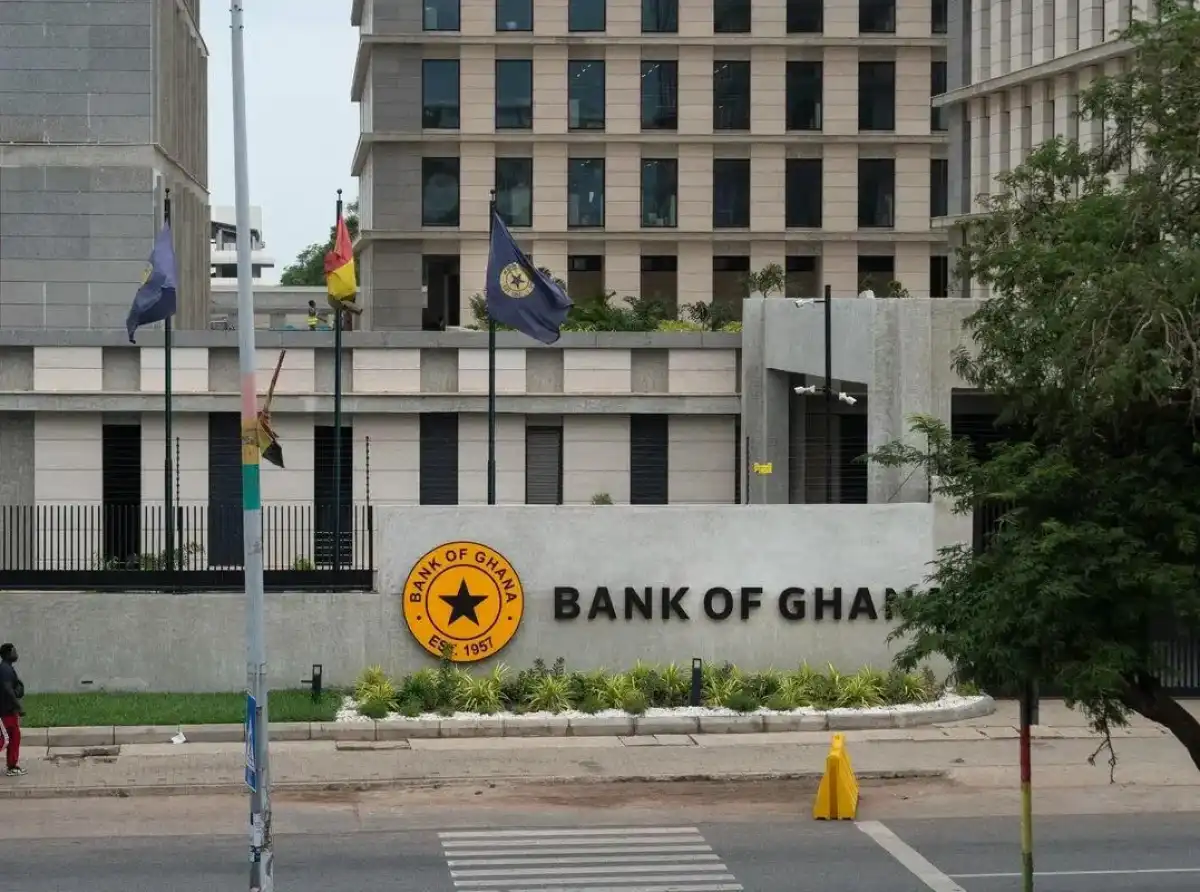
The Government of Ghana has issued a GH¢5 billion recapitalisation bond to the Bank of Ghana (BoG) as part of efforts to restore the central bank's financial strength following the impact of the 2023 Domestic Debt Exchange Programme (DDEP).
Finance Minister Dr Cassiel Ato Forson disclosed the measure while presenting the 2026 Mid-Year Fiscal Policy Review in Parliament on Thursday, saying the Domestic Debt Exchange Programme had significantly weakened the Bank of Ghana's balance sheet and eroded its capital base.
According to Dr Forson, the Domestic Debt Exchange Programme, introduced in 2023 as part of Ghana's debt restructuring efforts, had a substantial adverse effect on the central bank's finances.
He explained that the programme significantly reduced the Bank of Ghana's capital, resulting in a negative net equity position.
"The 2023 Domestic Debt Exchange Programme had a significant adverse impact on the Bank of Ghana's balance sheet. This substantially weakened the Bank's capital, resulting in a negative net equity position," the Finance Minister told Parliament.
To address the situation, Dr Forson revealed that the Government and the Bank of Ghana signed a Memorandum of Understanding (MoU) on January 6, 2025, outlining a long-term plan to restore the central bank's financial health.
The agreement provides a structured framework for recapitalising the Bank over several years to strengthen its balance sheet and ensure its long-term financial stability.
As part of the commitments under the Memorandum of Understanding, government issued a GH¢5 billion recapitalisation bond to the Bank of Ghana in March 2026.
Dr Forson said the bond is intended to strengthen the central bank's equity base and demonstrate government's commitment to restoring the institution's financial position.
He described the issuance as a key milestone in rebuilding confidence in Ghana's financial system.
The Finance Minister announced that government will continue making annual budgetary provisions to recapitalise the Bank of Ghana until its capital is fully restored.
According to him, the process will be undertaken in accordance with the Bank of Ghana (Amendment) Act, 2025 (Act 1158).
"Going forward, Government will make annual provision to recapitalise the Bank of Ghana until the Bank's equity is fully restored, in accordance with the Bank of Ghana (Amendment) Act, 2025 (Act 1158)," Dr Forson stated.
The phased recapitalisation is expected to strengthen the Bank's balance sheet while supporting financial sector stability.
Beyond government support, Dr Forson said the Bank of Ghana will also undertake internal reforms aimed at improving its long-term financial sustainability.
He announced that the central bank will conduct a comprehensive operational efficiency review to:
- Reduce operating costs
- Strengthen financial management
- Improve institutional efficiency
- Enhance long-term financial sustainability
The review is expected to complement government's recapitalisation efforts by ensuring that the Bank maintains prudent financial management practices going forward.
The recapitalisation programme forms part of broader efforts by government to strengthen Ghana's financial sector following the debt restructuring process.
Officials believe restoring the Bank of Ghana's capital position will reinforce confidence in the country's monetary authorities, enhance financial stability and support the effective implementation of monetary policy as Ghana continues its economic recovery.

Aikines Anyomi

News
Food
Politics
Technology
About Us
Download Our Mobile App

