
Supreme Court upholds birthright citizenship, rejecting Trump’s proposed limits
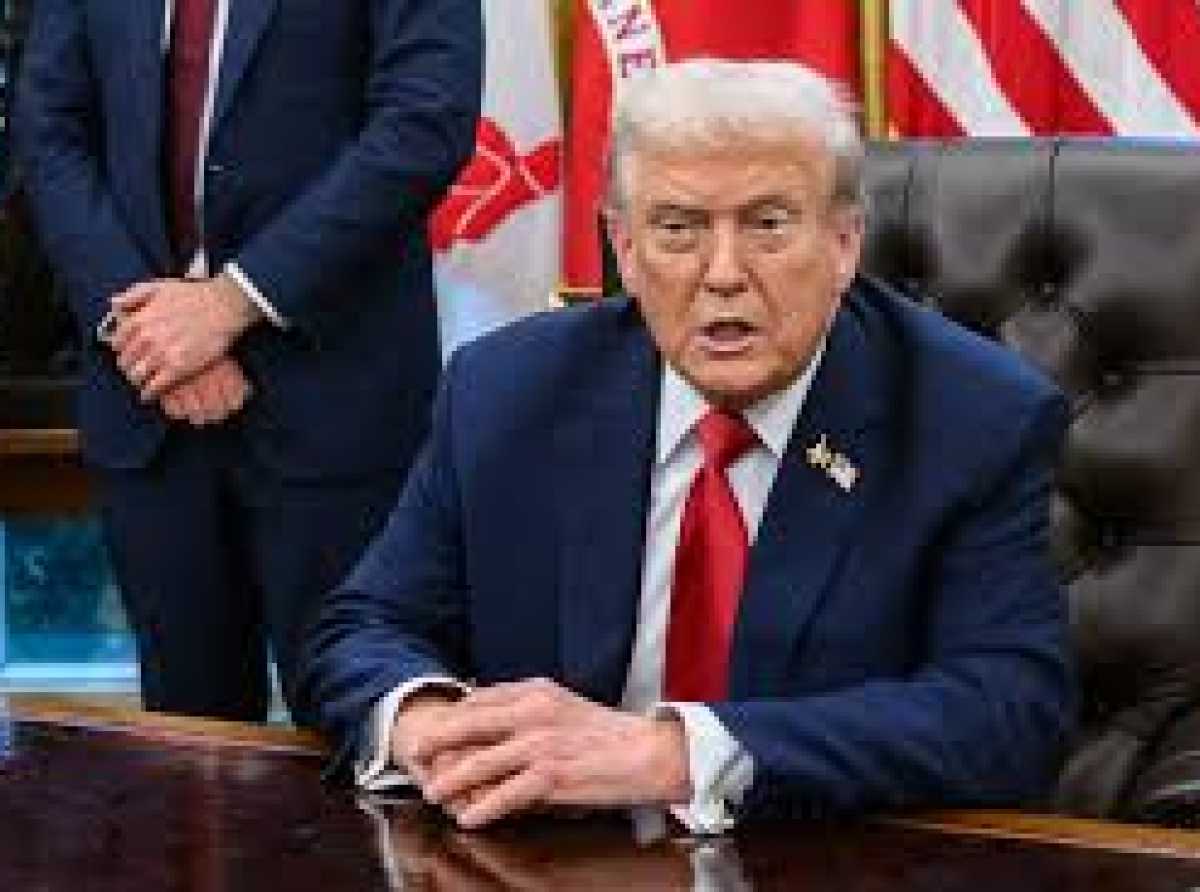
The United States Supreme Court has upheld the constitutional principle of birthright citizenship, rejecting an executive order by President Donald Trump that sought to deny automatic American citizenship to children born in the country to undocumented immigrants and certain temporary visa holders.
In a closely divided ruling delivered on Tuesday, the nation's highest court reaffirmed the long-established interpretation of the 14th Amendment, holding that virtually everyone born on US soil is a citizen, except in very limited circumstances such as children born to foreign diplomats or members of a hostile occupying force.
The decision represents a significant setback for the Trump administration's efforts to reshape US immigration policy and redefine the constitutional meaning of citizenship.
The justices relied on the longstanding interpretation of the Citizenship Clause of the 14th Amendment, which was adopted following the American Civil War to guarantee citizenship rights, particularly for formerly enslaved Black Americans.
All persons born or naturalized in the United States, and subject to the jurisdiction thereof, are citizens of the United States and of the State wherein they reside."
The Court concluded that the constitutional provision continues to guarantee citizenship to nearly all individuals born within the United States, regardless of the immigration status of their parents.
President Trump's executive order sought to overturn decades of legal precedent by declaring that children born in the United States to people living in the country illegally, or those temporarily residing in the US on visas such as students and certain workers, would no longer automatically become American citizens.
The administration argued that such children were not fully "subject to the jurisdiction" of the United States, claiming they therefore fell outside the protections of the Citizenship Clause.
However, the Supreme Court rejected that interpretation, siding with decades of constitutional practice and judicial precedent.
Before reaching the Supreme Court, several federal courts had ruled that the executive order violated the Constitution.
Those courts relied heavily on the landmark 1898 Supreme Court decision in United States v. Wong Kim Ark, which established that a child born in the United States to Chinese immigrant parents was entitled to American citizenship under the 14th Amendment.
That ruling has served as the foundation of birthright citizenship in the United States for well over a century.
According to estimates by the Migration Policy Institute and Pennsylvania State University's Population Research Institute, more than 250,000 babies born in the United States each year would have been affected if Trump's executive order had taken effect.
The proposed restrictions would not only have impacted undocumented immigrants but also individuals legally residing in the country, including international students, temporary workers, and people awaiting permanent residency or green cards.
President Trump responded angrily to the decision, continuing his criticism of the judiciary.
In recent months, he has repeatedly accused judges of obstructing his immigration agenda and used his Truth Social platform to criticise members of the Supreme Court, describing some judges and justices as "dumb" while arguing that birth tourism and illegal immigration were being exploited to secure American citizenship for children born in the country.
The President has maintained that ending automatic birthright citizenship is essential to strengthening border security and discouraging illegal immigration.
Legal scholars say the ruling preserves one of the most firmly established principles of American constitutional law and reinforces over a century of legal precedent surrounding citizenship rights.
The decision also underscores the Supreme Court's continued reliance on the text and historical intent of the 14th Amendment, ensuring that birthright citizenship remains protected under the US Constitution unless amended through the constitutional process.
The ruling is expected to have far-reaching implications for future immigration policy debates and will likely remain one of the most consequential constitutional decisions of the Court's current term.

Aikines Anyomi

News
Food
Politics
Technology
About Us
Download Our Mobile App

