Public health expert and Democracy and Development Fellow at Centre for Democratic Development (CDD-Ghana), Kwame Sarpong Asiedu, has backed the Health Minister’s decision to fully implement recommendations from the investigation into the death of Charles Amissah, describing the move as necessary to address deep systemic and human failures within Ghana’s healthcare system.
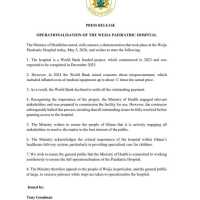
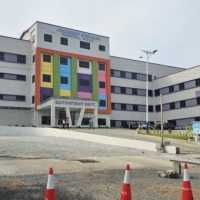
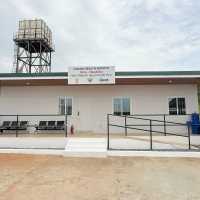
The Ministry of Health Ghana has finally addressed growing public concern over the prolonged closure of the Weija Children’s Hospital, revealing that procurement irregularities, funding disputes, and unresolved contractual disagreements are at the heart of the delay—despite the facility being physically completed.
The Member of Parliament for Weija-Gbawe, Jerry Ahmed Shaib, has renewed calls for the urgent operationalisation of a fully completed specialist children’s hospital in his constituency, appealing directly to President John Mahama and the Minister of Health, Kwabena Mintah Akandoh.
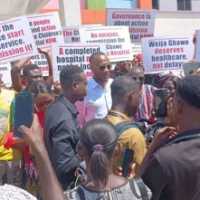
Residents of Weija Gbawe in the Greater Accra Region have taken to the streets in protest over the continued closure of a fully completed Children’s Specialist Hospital, demanding its immediate operationalisation.
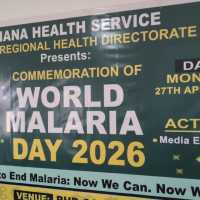
The Ashanti Region has recorded a consistent decline in severe malaria cases and malaria-related deaths over the past three years, even though the disease continues to contribute significantly to outpatient department (OPD) attendance across health facilities.
The Minister for Health, Kwabena Mintah Akandoh, has issued a strong warning to medical doctors across Ghana, cautioning that those who rejects postings to underserved districts risk losing their placement opportunities as the government intensifies efforts to address disparities in healthcare delivery.
He expressed concern over the continued reluctance of some doctors to accept assignments in deprived and rural areas, noting that this trend is contributing to a widening gap in access to quality healthcare services across the country. According to the Minister, the uneven distribution of medical personnel remains one of the most pressing challenges facing Ghana’s health sector.
Mr. Akandoh revealed that nearly half of Ghana’s doctors are currently concentrated in the Greater Accra Region. When combined with the Ashanti Region, the figure rises to approximately 70 percent, leaving many districts in other regions critically underserved and struggling to provide adequate medical care.
He noted that in 2024, only 12 doctors accepted postings to eight underserved regions, highlighting the scale of the challenge. However, he indicated that recent interventions by the government have begun to yield results, with about 100 doctors now taking up similar assignments, signaling a gradual improvement.
“Since they have legitimate concerns, they cannot deny people care by refusing to go to the districts,” the Minister stated, emphasizing the ethical responsibility of healthcare professionals to serve all populations, regardless of location.
Mr. Akandoh stressed that the government’s top priority is to ensure equitable access to healthcare services nationwide. He added that stricter enforcement measures would be introduced to ensure compliance with postings, as part of broader reforms aimed at strengthening the healthcare system.
Speaking in an interview on Citi FM on Wednesday, April 22, he outlined the government’s position, warning that doctors who decline postings would forfeit their opportunities.
“We are going to state that those who have not accepted the postings will be deprived of that opportunity, and we will open it up,” he said. “Even if you completed yesterday and you are a fully qualified medical doctor willing to go, we will give you that opportunity.”
The Minister’s remarks underscore the government’s commitment to bridging regional inequalities in healthcare delivery and ensuring that citizens in all parts of the country have access to qualified medical professionals.
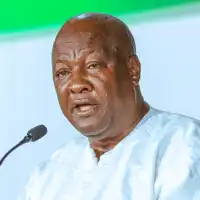
John Dramani Mahama has clarified that tricycles being deployed under Ghana’s free primary healthcare programme are strictly for outreach services and not intended for emergency response, emphasizing that they should not be mistaken for ambulances.
Ghana’s newly launched Free Primary Healthcare Programme is set to significantly expand access to essential health services, with a strong focus on preventive care, early detection, and community-based interventions.
The initiative was officially launched by President John Dramani Mahama on Wednesday, April 15, at the Shai Osudoku District Hospital in Dodowa, within the Greater Accra Region. The programme aims to bridge gaps in healthcare delivery, particularly in underserved and hard-to-reach communities, by bringing essential services closer to the population.
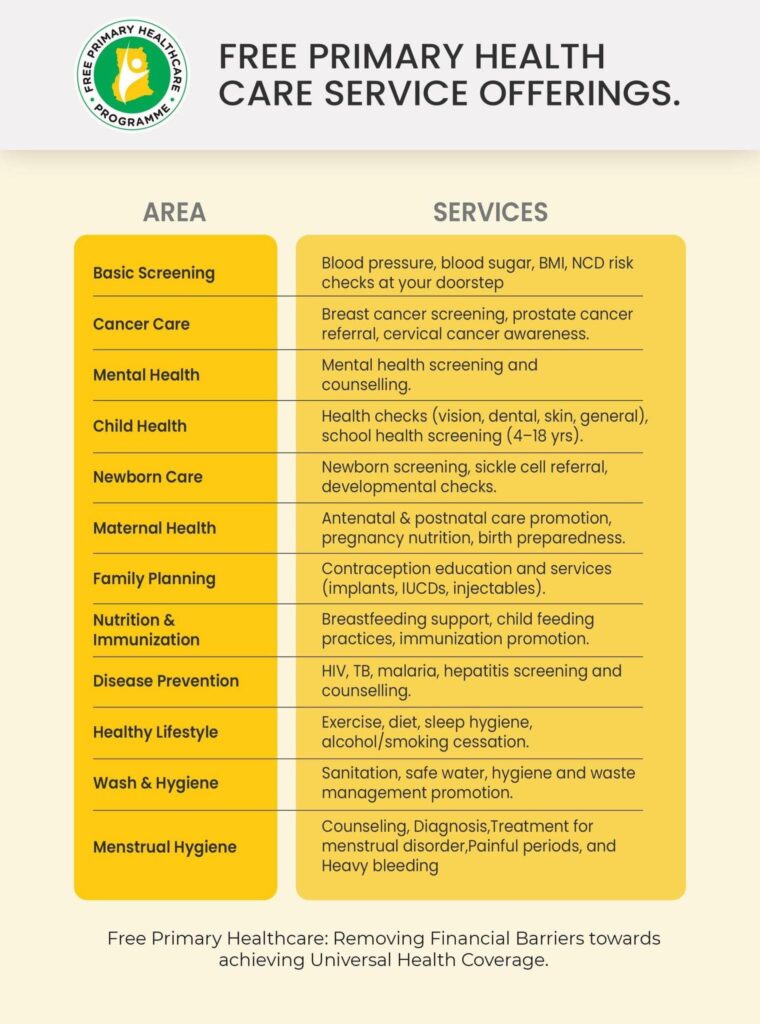
At the core of the programme is a comprehensive package of healthcare services designed to address major public health needs at the community level while reducing the burden on higher-level health facilities.
Under its basic screening component, citizens will have access to routine health checks, including blood pressure monitoring, blood sugar testing, body mass index (BMI) assessments, and screening for non-communicable diseases such as hypertension and diabetes. Notably, many of these services are expected to be delivered directly within communities, including doorstep outreach initiatives.
Cancer care forms a key pillar of the programme, with services including breast cancer screening, prostate cancer referrals, and cervical cancer education and awareness campaigns. These interventions are aimed at promoting early detection and improving treatment outcomes.
Mental health has also been integrated into the initiative, reflecting growing recognition of psychological well-being as a critical component of overall health. The programme will provide mental health screening and counselling services to support individuals facing stress, anxiety, and other mental health challenges.
For children and adolescents, a wide range of health services will be offered. These include general health checks covering vision, dental health, and skin conditions, as well as school-based health screening programmes targeting children between the ages of four and 18 years. These efforts are intended to identify health issues early and ensure timely intervention.
Newborn care is another major focus area. Services will include newborn screening, referrals for conditions such as sickle cell disease, and developmental assessments to monitor early growth and identify potential health concerns at an early stage.
Maternal health services will also be strengthened under the programme. Expectant and new mothers will benefit from antenatal and postnatal care, nutritional support during pregnancy, and guidance on birth preparedness to improve maternal and child health outcomes.
Family planning is a central component of the initiative, with expanded access to education and contraceptive methods. These include implants, intrauterine contraceptive devices (IUCDs), and injectable contraceptives, aimed at supporting reproductive health and informed family planning choices.
In addition, the programme incorporates nutrition and immunisation support, offering guidance on breastfeeding, appropriate child feeding practices, and vaccination promotion to enhance child health and reduce preventable diseases.
Disease prevention remains a cornerstone of the initiative, with screening and counselling services targeting infectious diseases such as HIV, tuberculosis, malaria, and hepatitis. These interventions are designed to reduce transmission rates and improve early diagnosis and treatment.
The programme also promotes healthy lifestyle practices, encouraging regular physical activity, balanced nutrition, adequate sleep, and the reduction of harmful behaviours such as excessive alcohol consumption and tobacco use.
Environmental health has been included as part of the broader strategy, with education on sanitation, access to safe water, personal hygiene, and proper waste management to improve living conditions and prevent disease outbreaks.
Menstrual health services will also be provided, including counselling, diagnosis, and treatment for menstrual disorders such as dysmenorrhea (painful periods) and menorrhagia (heavy bleeding), addressing an often-overlooked aspect of women’s health.
The Free Primary Healthcare Programme is expected to cost approximately GH¢1.2 billion annually. It will initially be rolled out across 150 districts, with plans to deploy trained health volunteers, distribute essential medical equipment, and establish more than 350 service delivery points in high-traffic and underserved areas.
The initiative is designed to complement existing healthcare systems while shifting the focus toward prevention and early intervention. It represents a significant step in Ghana’s broader efforts to achieve universal health coverage and improve health outcomes for all citizens.
The Ministry of Health Ghana has introduced a new set of medical kits, including distinctive red backpacks, to support community health nurses under the free primary health care programme. The initiative is part of efforts to strengthen primary healthcare delivery and improve early disease detection at the community level.
The Ministry of Health Ghana says the free primary health care programme launched this week will not undermine the National Health Insurance Scheme, as funding has already been secured and approved by Parliament. The assurance comes amid public concerns about the sustainability of major health interventions and their impact on existing systems.
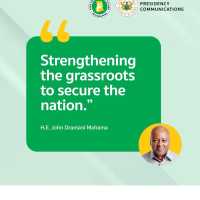
At the launch of the Primary Health Care Programme, John Dramani Mahama underscored government’s commitment to strengthening grassroots healthcare systems as a foundation for national well-being. The initiative reflects a renewed focus on preventive care and equitable access to essential health services across the country.
The Ministry of Health Ghana has announced the commencement of validation for qualified health professionals as part of its recruitment and posting process. The exercise is part of ongoing efforts to streamline recruitment, improve transparency, and ensure that only eligible professionals are deployed into the country’s health system.
In addition to the over 24,000 pieces of hospital equipment set to be distributed to health facilities nationwide under the Free Primary Health Care Programme, government will also establish 350 Health Posts in strategic public locations such as bus stations, markets, and schools. The initiative is aimed at bringing basic healthcare services closer to the population, particularly the estimated 35% of Ghanaians who are not enrolled on the National Health Insurance Scheme (NHIS).