
Minority piles pressure on Mahama to resolve Judicial Service strike
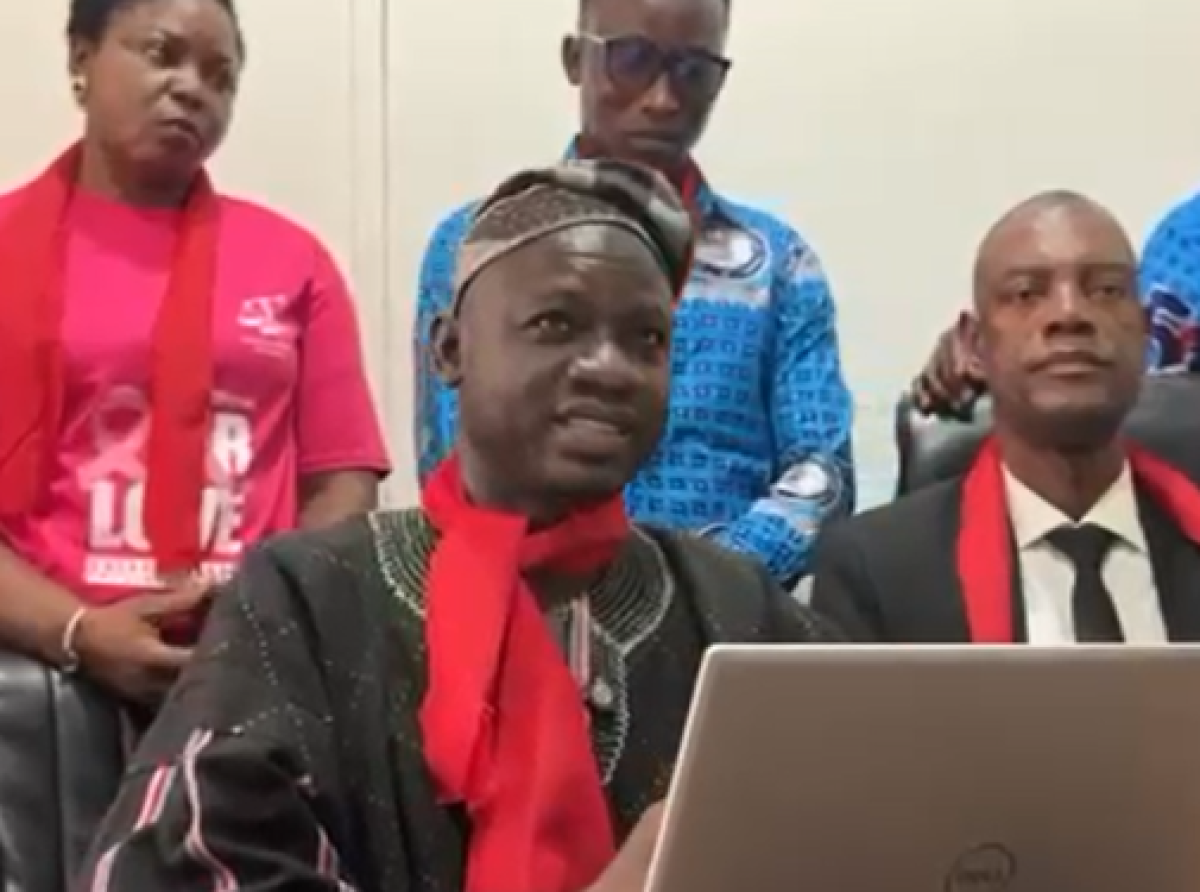
The Minority Caucus in Parliament has appealed to President John Dramani Mahama, the Chief Justice and Judicial Service Management to urgently intervene in the ongoing strike by the Judicial Service Staff Association of Ghana (JUSAG) and the Senior Staff Association of the Judicial Service of Ghana (SSAJUG).
The caucus has warned that the continued industrial action is disrupting the administration of justice and exposing thousands of court users to prolonged delays in the resolution of their cases.
In a petition dated November 9, 2026, and addressed to President Mahama at Jubilee House, the Minority Caucus on Employment, Labour Relations and Pensions accused the relevant authorities of allowing the dispute over the 2026 salary review to persist despite several engagements between the workers, Judicial Service Management and government.
Signed by the Deputy Ranking Member of Parliament’s Committee on Employment, Labour Relations and Pensions, Frank Asiedu Bekoe, the petition called for decisive leadership, meaningful negotiations and an immediate resolution to enable the striking workers to resume their duties.
The intervention followed JUSAG’s announcement on Sunday, November 8, that its industrial action would continue on Monday, November 9.
The Minority argued that the dispute had gone beyond an ordinary labour disagreement and had become a national concern involving workers' welfare, judicial independence and citizens' constitutional right to timely access to justice.
The caucus expressed concern that repeated meetings and engagements had failed to produce an agreement capable of ending the strike.
It argued that employees should not be pushed to the point where withdrawing their services becomes their only means of drawing attention to unresolved grievances.
According to the petition, legitimate employment concerns must be addressed through meaningful dialogue before industrial tensions escalate into prolonged disruptions.
The Minority also questioned why public sector workers should continue to face financial difficulties when government has repeatedly communicated assurances of economic recovery.
Although it acknowledged the fiscal constraints confronting the country, the caucus maintained that economic discipline should not become a permanent justification for failing to address legitimate employment obligations.
It argued that the benefits of economic recovery should also be reflected in the conditions of service and welfare of workers who contribute to the functioning of state institutions.
A major part of the petition focused on the role of the Chief Justice and Judicial Service Management in addressing the concerns of their employees.
The Minority said judicial staff had increasingly developed the impression that their own institution was not standing firmly enough with them, with greater consideration allegedly being given to the government's position than to workers' welfare.
It maintained that the Judiciary should not regard employees' concerns as an administrative inconvenience or transfer responsibility for resolving the dispute entirely to the Executive.
Using a family analogy, the caucus argued that workers expect institutional leadership to support them during difficult periods, just as members of a family expect protection and assistance from those responsible for their welfare.
It therefore appealed to the Chief Justice to demonstrate through practical action that the welfare of judicial staff remains an important institutional priority.
The Minority acknowledged that the Chief Justice was not expected to accept every demand without scrutiny but insisted that the Judiciary must demonstrate a commitment to fair negotiations and the protection of its workforce.
The caucus also connected the dispute to the constitutional principle of separation of powers, arguing that judicial independence should be reflected not only in court decisions but also in the Judiciary's ability to protect its legitimate institutional interests.
It warned against any perception that the Judiciary was subordinating its responsibilities to the convenience of the Executive.
According to the Minority, the Chief Justice and Judicial Service Management have a responsibility to advocate for their employees and ensure that negotiations with government protect the dignity and welfare of the workforce.
It argued that the principle of separation of powers must be reflected in the conduct of state institutions and not invoked only when politically convenient.
For the caucus, the dispute presents an opportunity for the Judiciary to demonstrate its ability to engage government firmly and constructively on matters affecting its operations and personnel.
Beyond the concerns of judicial workers, the Minority warned that the industrial action was creating serious difficulties for ordinary Ghanaians who depend on the courts to resolve disputes and protect their rights.
It noted that delayed proceedings affect families, businesses and individuals whose livelihoods, property interests and personal circumstances may depend on timely judicial decisions.
The petition cited examples involving parents awaiting decisions in custody disputes, families engaged in property cases, businesses seeking to recover outstanding debts and individuals whose liberty may depend on the timely handling of court proceedings.
The caucus argued that prolonged disruption to court administration could deepen the difficulties faced by citizens who rely on the justice system for protection and dispute resolution.
It maintained that the interests of judicial workers and the general public must be protected simultaneously, insisting that workers should not be expected to abandon legitimate demands for the convenience of government.
At the same time, it said citizens should not be forced to endure indefinite disruption to the administration of justice.
In its petition, the Minority outlined five interventions it wants the President, government, Parliament, the Judiciary and organised labour to pursue to resolve the dispute.
1. Immediate government intervention
The caucus called on President Mahama and government to treat the impasse as an urgent national matter and direct the relevant ministries, particularly the Ministry of Finance, to engage JUSAG immediately over outstanding issues relating to the 2026 salary review.
It wants government to provide a clear and credible pathway towards resolving the disagreement rather than allowing negotiations to continue without a definite outcome.
2. High-level coordination from Jubilee House
The Minority appealed to the Chief of Staff and officials at Jubilee House to coordinate efforts at the highest level to prevent the matter from moving endlessly between ministries while workers and court users continue to bear the consequences.
3. Parliamentary intervention
It urged the Speaker of Parliament and the leadership of the House to facilitate urgent engagements through parliamentary leadership and relevant committees while exercising the legislature's oversight responsibilities.
4. Renewed commitment from the Judiciary
The caucus called on the Chief Justice and Judicial Service Management to demonstrate renewed commitment to staff welfare and intensify discussions with government and JUSAG leadership.
5. Constructive engagement by organised labour
It also appealed to JUSAG and SSAJUG to remain committed to constructive engagement while pursuing a fair settlement that protects the welfare and dignity of their members.
The Minority maintained that the dispute could be resolved if the relevant authorities demonstrated the necessary commitment.
It argued that judicial workers should not be expected to surrender their legitimate demands simply to restore industrial peace while outstanding issues surrounding the 2026 salary review remain unresolved.
The caucus further pledged to use legitimate parliamentary channels, including stakeholder engagements, oversight and public advocacy, to press for action.
It stressed that although staff working in court registries and administrative offices may not enjoy the same public visibility as judges and magistrates, their contribution is indispensable to the delivery of justice.
Without their services, the administrative structures that support court operations cannot function effectively.
The Minority's intervention places President Mahama, the Chief Justice, Judicial Service Management and organised labour under renewed pressure to find a lasting solution to the industrial dispute.
For the opposition caucus, the issue extends beyond salary negotiations to questions about government's handling of employment-related obligations, the Judiciary's commitment to its workforce and the consequences of prolonged industrial action for ordinary citizens.
The petition calls for judicial workers to return to their posts with confidence that their concerns have been heard and their dignity respected, while members of the public regain access to court services without unnecessary disruption.
In its concluding appeal, the Minority argued that a country cannot convincingly uphold justice when the people responsible for helping to deliver it feel that justice has been denied to them.
It therefore called for an immediate resolution of the outstanding salary review issues, insisting that the time for assurances without concrete results had passed.
The petition was signed by Frank Asiedu Bekoe, Deputy Ranking Member of Parliament’s Committee on Employment, Labour Relations and Pensions.

Aikines Anyomi

News
Food
Politics
Technology
About Us
Download Our Mobile App

