
Government distributes fertiliser, drones to smallholder farmers under Feed Ghana Programme
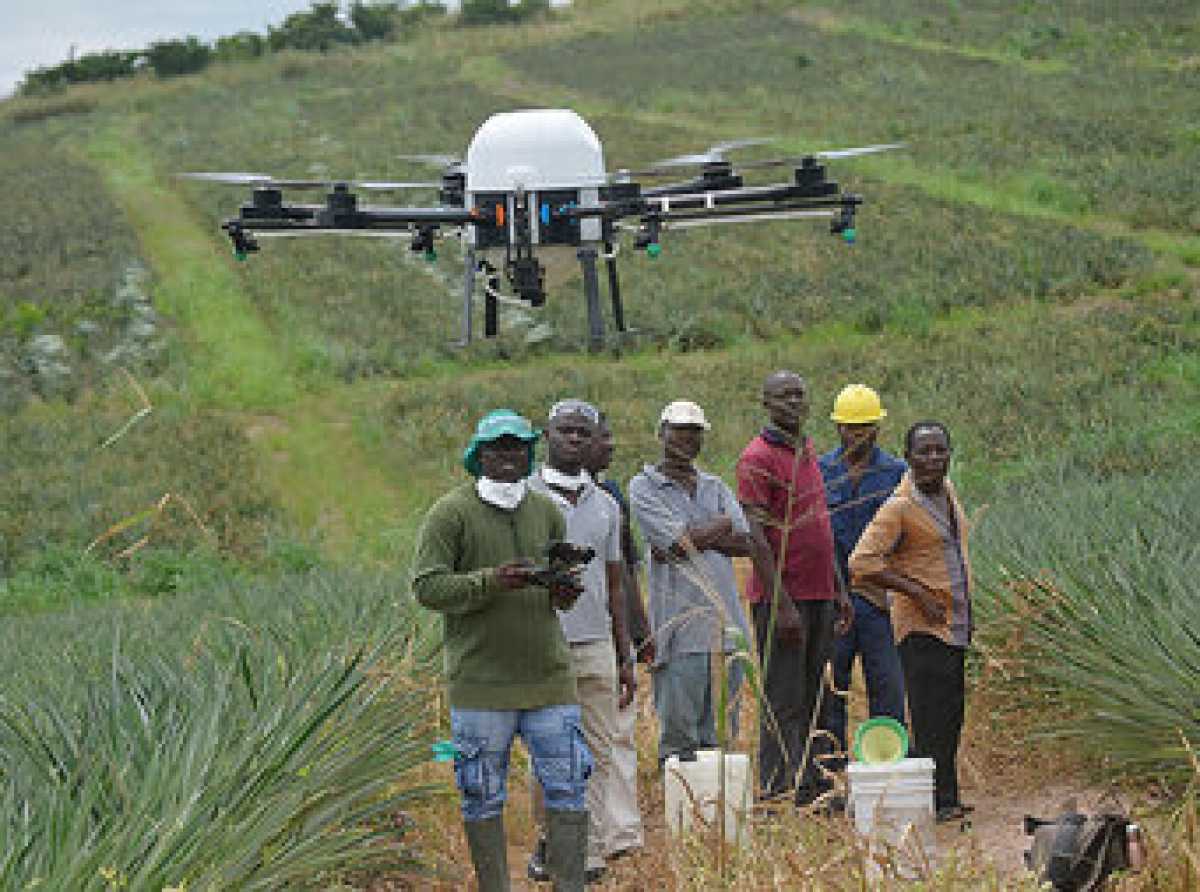
The government has commenced the nationwide distribution of 40,000 bags of fertiliser to peasant farmers as part of efforts to increase agricultural productivity, improve crop yields, and strengthen food security across Ghana.
The exercise, which officially begins on June 16, 2026, forms part of the Feed Ghana Programme, a flagship agricultural initiative aimed at supporting smallholder farmers with essential farming inputs while promoting sustainable food production and economic growth.
Officials say the intervention is expected to provide timely assistance to farmers during the current planting season, helping them improve productivity, reduce production costs, and contribute to the country's food self-sufficiency agenda.
The fertiliser distribution programme targets peasant and small-scale farmers who play a critical role in Ghana's agricultural sector and account for a substantial share of the country's food production.
Access to quality agricultural inputs, particularly fertiliser, remains one of the major challenges confronting many farmers, often affecting crop yields and overall productivity.
By providing fertiliser support, government aims to improve soil fertility, enhance crop nutrition, and increase agricultural output across key farming communities.
The initiative is also expected to help farmers cope with rising input costs while improving profitability and livelihoods in rural areas.
The distribution exercise is being implemented under the Feed Ghana Programme, which seeks to boost domestic food production and reduce the country's dependence on imported food products.
The programme forms part of broader government efforts to transform agriculture, strengthen food systems, and promote sustainable economic development through increased investment in farming.
Authorities believe that supporting farmers with critical inputs will not only improve yields but also contribute to national food security and help stabilize food supplies throughout the year.
The initiative aligns with government’s objective of building a more resilient agricultural sector capable of meeting growing domestic demand.
Speaking to Citi Business News, National Coordinator of the Feed Ghana Programme, Bright Demordzi, highlighted the importance of fertiliser in improving agricultural performance.
According to him, effective crop nutrition management remains one of the most important factors in increasing productivity among smallholder farmers.
“Our focus is to ensure that our farmers, especially our small-scale farmers, increase their production and productivity. One of the key tools for improving productivity is crop nutrition management,” he stated.
He explained that adequate fertiliser application helps improve plant growth, enhance crop quality, and increase harvest volumes, ultimately boosting farmer incomes.
To ensure efficient and equitable distribution, government is implementing the programme in partnership with the Peasant Farmers Association of Ghana (PFAG).
According to Mr. Demordzi, the association's nationwide network makes it an ideal partner for reaching beneficiaries across all agricultural zones in the country.
“The Peasant Farmers Association cuts across all the various crop zones in the country. They are national in character. The Feed Ghana Programme is collaborating with the association to reach farmers across the length and breadth of the country,” he explained.
The collaboration is expected to facilitate effective monitoring and ensure that the fertiliser reaches intended beneficiaries in a transparent manner.
Officials have also established a comprehensive database of beneficiaries to improve accountability and streamline the distribution process.
According to Mr. Demordzi, the database will help ensure that fertiliser allocations are accurately tracked and delivered to eligible farmers.
“We’ve organised their database and the focus is to ensure that the bags reach all their members across the country,” he said.
The use of a structured database is expected to minimize distribution challenges and enhance transparency throughout the exercise.
Government believes the fertiliser intervention will contribute significantly to efforts aimed at increasing food production and maintaining stable food supplies.
Agricultural experts note that improved crop yields can help address supply shortages, reduce pressure on food prices, and support broader economic stability.
The programme is therefore expected to play an important role in efforts to moderate food inflation while improving the availability of staple crops across the country.
By supporting farmers during a critical stage of the farming season, authorities hope to strengthen Ghana's agricultural output and advance national food security objectives.
As the distribution exercise gets underway, stakeholders in the agriculture sector have welcomed the initiative as a practical step toward improving productivity and supporting rural livelihoods.
With food security remaining a key national priority, government says continued investment in agricultural inputs, farmer support programmes, and productivity-enhancing interventions will remain central to its long-term development agenda.
The distribution of 40,000 bags of fertiliser marks another effort to empower farmers, increase food production, and build a more resilient agricultural sector capable of supporting Ghana’s economic growth and development.

Aikines Anyomi

News
Food
Politics
Technology
About Us
Download Our Mobile App

