
Don’t hand Ghana Gas’ second processing plant to private operator – ASEC tells gov’t
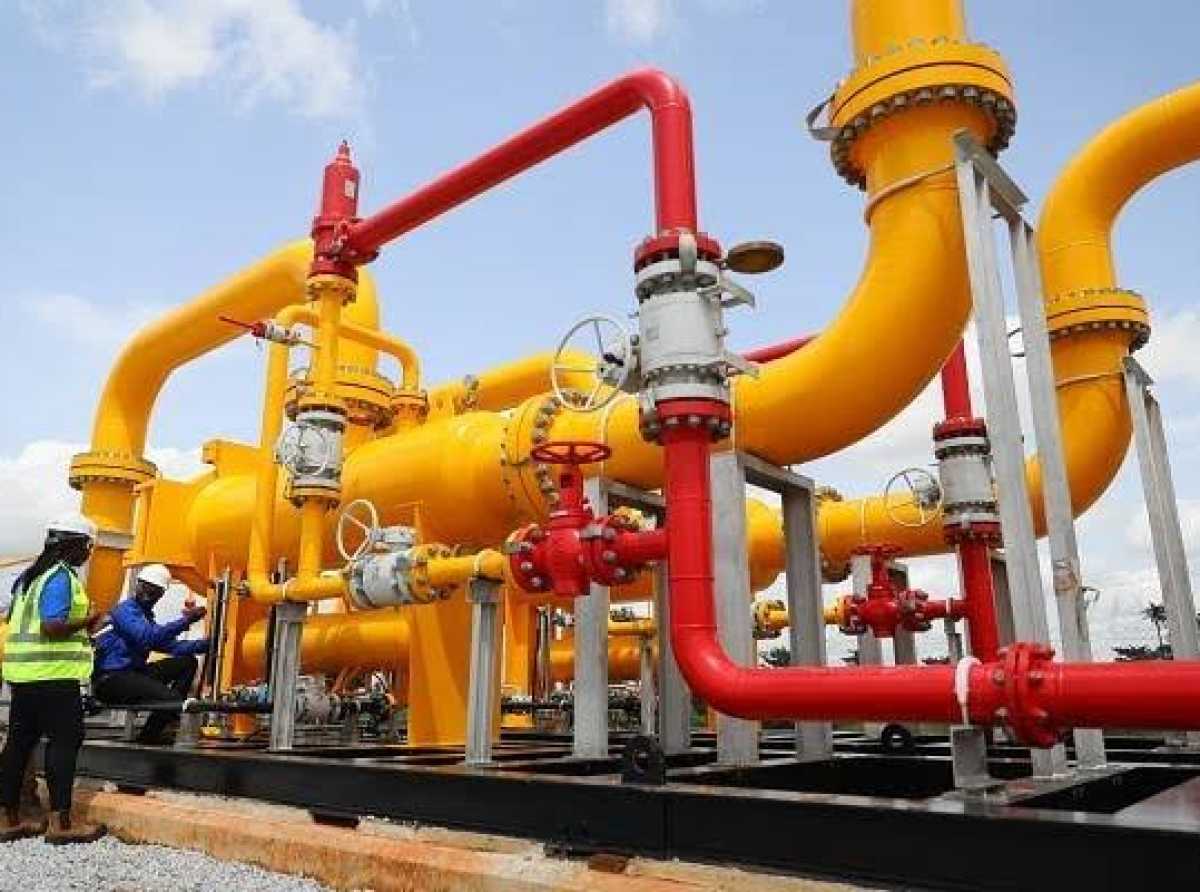
The Africa Sustainable Energy Centre (ASEC) has urged the Government of Ghana to retain full ownership of the proposed second Gas Processing Plant (GPP Train 2) of the Ghana National Gas Company, warning that handing the strategic facility to a private entity could undermine the country's energy security, increase electricity generation costs and weaken Ghana's long-term economic interests.
In a statement issued on Wednesday, July 8, the energy policy and advocacy organisation argued that the proposed Gas Processing Plant Train 2 should be regarded as a critical national asset rather than a commercial investment that can be transferred to private ownership.
According to ASEC, any decision to privatise the project would represent a significant policy error with far-reaching consequences for Ghana's energy sector.
The Centre said it strongly opposes any attempt by the government to hand over ownership or operational control of the planned gas processing facility to a private investor.
ASEC maintained that the debate extends beyond commercial considerations and should instead be viewed through the broader lenses of national development, energy security and economic sovereignty.
Handing over GPP Train 2 to the private sector would not merely be a commercial transaction but a severe, irreversible missed opportunity for the nation."
The organisation argued that when the project is assessed from the perspective of Ghana's long-term energy strategy, only one policy option remains appropriate.
When viewed through the lens of economic logic, national energy security, and structural alignment, the conclusion is clear: the state must maintain absolute ownership of GPP Train 2."
ASEC warned that introducing a private operator into Ghana's domestic gas processing chain could significantly alter the existing fuel supply framework that supports thermal power generation.
The organisation explained that under the current Tolling Agreement with Independent Power Producers (IPPs), the Government of Ghana assumes responsibility for supplying fuel to thermal plants, while Ghana Gas serves as the national institution responsible for processing and distributing indigenous natural gas.
According to the Centre, inserting a profit-driven private company into that arrangement would create unnecessary commercial complications.
ASEC cautioned that a private operator would naturally seek to maximise returns on investment, potentially increasing the cost of processed gas supplied to electricity producers.
That, it said, could ultimately raise electricity generation costs while the government continues to shoulder much of the financial and operational risk within the power sector.
It creates an unnecessary middleman. A private operator would prioritize maximizing profits, increasing power production costs and exposing the state to commercial risks while the government continues to bear the financial and structural liability."
ASEC rejected suggestions that privatisation is necessary to improve the efficiency of Ghana Gas.
The organisation argued that privatisation is typically reserved for state-owned enterprises experiencing persistent financial distress, structural inefficiencies or poor management.
According to the Centre, Ghana Gas does not fall into that category.
It pointed to the company's successful operation of the Atuabo Gas Processing Plant as evidence of its technical expertise and operational competence.
ASEC said Ghana Gas has played a significant role in processing indigenous natural gas, reducing dependence on imported light crude oil and saving the country billions of dollars in energy costs.
The Centre believes this performance strengthens the case for allowing the company to retain full ownership and management of the proposed second processing plant.
While opposing private ownership of GPP Train 2, ASEC clarified that it is not against private sector participation across Ghana's energy industry.
Instead, the organisation argued that reforms should focus on the commercial operations of the Electricity Company of Ghana (ECG), which it described as facing longstanding financial challenges.
According to ASEC, private sector expertise could help improve operational efficiency, revenue mobilisation and customer service within ECG while addressing the utility's chronic financial losses.
The Centre maintained that such reforms would deliver greater value than relinquishing control of strategic gas infrastructure.
ASEC described the proposed Gas Processing Plant Train 2 as a strategic national asset that will play an important role in supporting electricity generation, industrialisation and economic transformation.
The Centre noted that natural gas remains the backbone of Ghana's thermal power generation and an essential component of the country's industrial development agenda.
Maintaining full state ownership, it argued, would allow government to align gas processing capacity with national development priorities rather than commercial objectives.
ASEC warned that private ownership could create situations where commercial considerations outweigh national interests, particularly during periods of economic instability or currency volatility.
The organisation cautioned that a private operator could demand tariff increases, suspend operations or prioritise shareholder returns at times when uninterrupted gas supply is critical to Ghana's economy.
ASEC concluded by urging the government to preserve full ownership of Gas Processing Plant Train 2, insisting that strategic energy infrastructure should remain under state control.
According to the Centre, safeguarding ownership of the facility will strengthen Ghana's energy security, support long-term industrial growth, protect consumers from unnecessary electricity cost increases and ensure that one of the country's most important energy assets continues to serve the national interest.
The organisation stressed that decisions surrounding Ghana's gas infrastructure should prioritise national development, economic resilience and energy independence over short-term commercial considerations.

Aikines Anyomi

News
Food
Politics
Technology
About Us
Download Our Mobile App

