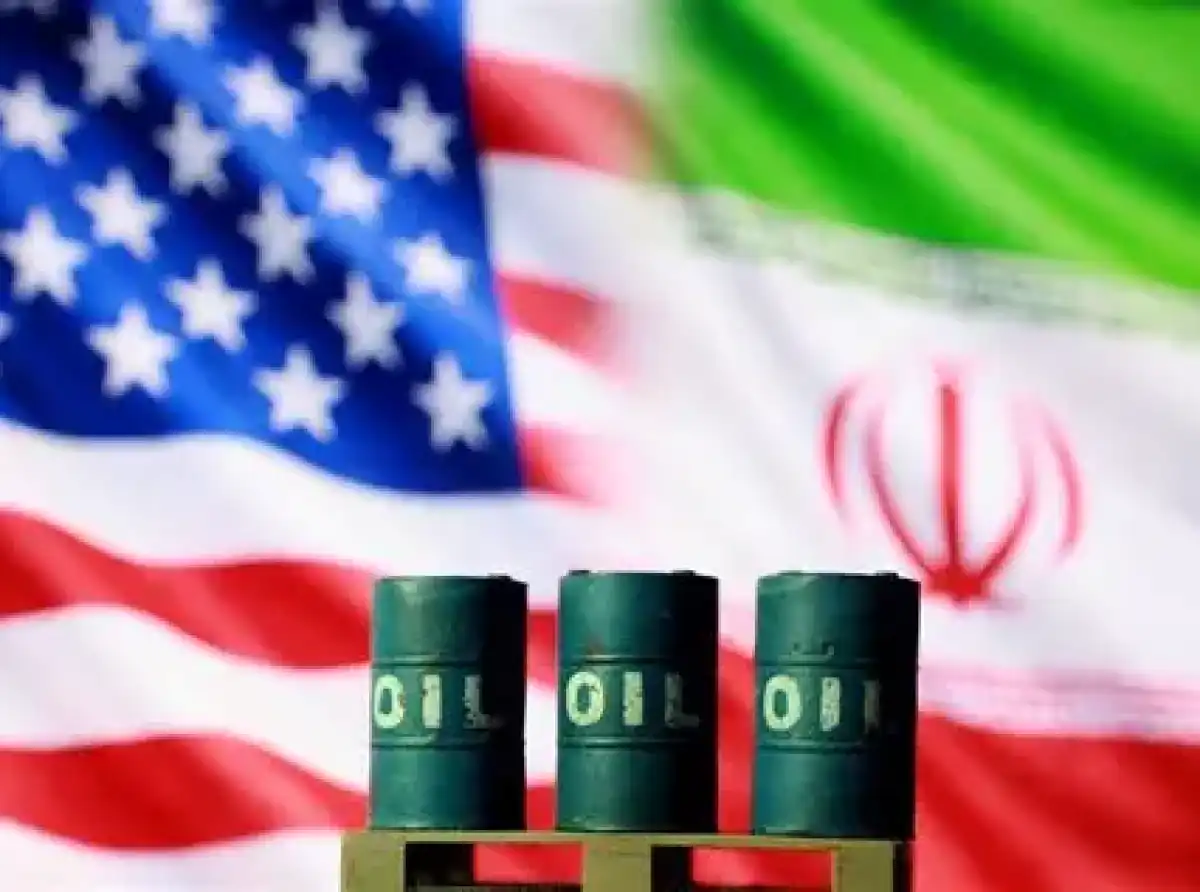
The United States has reinstated sanctions on Iran's oil exports after withdrawing a temporary waiver that had allowed the sale of Iranian crude oil, petroleum and petrochemical products under a short-term agreement reached between Washington and Tehran.
The move effectively restores longstanding restrictions on Iran's energy sector and marks a significant shift in US policy just weeks after both countries signed a memorandum of understanding (MoU) aimed at easing tensions and reducing hostilities.
The decision follows a new round of US military strikes, which have heightened tensions between the two countries and cast doubt over the future of the recently negotiated agreement.
The temporary waiver, issued by the US Treasury Department, had suspended key sanctions that had restricted Iran's oil exports for decades.
Under the waiver, Iran was permitted to export crude oil, petroleum products and petrochemicals until August 21 as part of efforts to support diplomatic engagement between the two nations.
However, documents published by the US Treasury on Tuesday, July 7, confirmed that the authorisation had been revoked, immediately restoring the sanctions regime on Iranian energy exports.
The reinstated sanctions are expected to further limit Iran's ability to access international oil markets and generate foreign exchange earnings from its energy sector.
Tehran has reacted strongly to Washington's decision, accusing the United States of breaching the memorandum of understanding that was intended to reduce tensions and create a framework for improved relations.
In a statement issued on Wednesday, July 8, Iran's chief negotiator, Mohammad Ghalibaf, described the reinstatement of the sanctions as a serious violation of the agreement reached between the two countries.
According to him, the US action undermines confidence in the diplomatic process and raises questions about Washington's commitment to honouring its obligations under the memorandum.
Iran's Foreign Ministry also condemned the latest US action, arguing that the decision has effectively rendered the memorandum of understanding meaningless.
Officials said the restoration of sanctions demonstrates that the agreement is no longer capable of achieving its intended objective of easing tensions between the two countries.
The ministry criticised the United States for reversing measures that had provided temporary relief to Iran's oil sector, warning that the move could further complicate future diplomatic engagement.
The latest development is expected to increase pressure on Iran's economy, which has long faced challenges due to extensive US sanctions targeting its banking, energy and trade sectors.
Iran's oil exports remain a key source of government revenue, and renewed restrictions are likely to affect the country's ability to sell crude oil on international markets.
Analysts say the decision could also have broader geopolitical implications, with renewed sanctions potentially complicating ongoing diplomatic efforts and increasing uncertainty across global energy markets.
As both countries exchange accusations over compliance with the memorandum of understanding, attention is expected to focus on whether diplomatic channels can be revived or whether relations will deteriorate further in the coming weeks.

Aikines Anyomi

News
Food
Politics
Technology
About Us
Download Our Mobile App

