The Ministry of Finance is expected to write off approximately US$120 million of the Tema Oil Refinery’s (TOR) legacy debt as part of efforts to reduce the financial burden on the state-owned refinery.
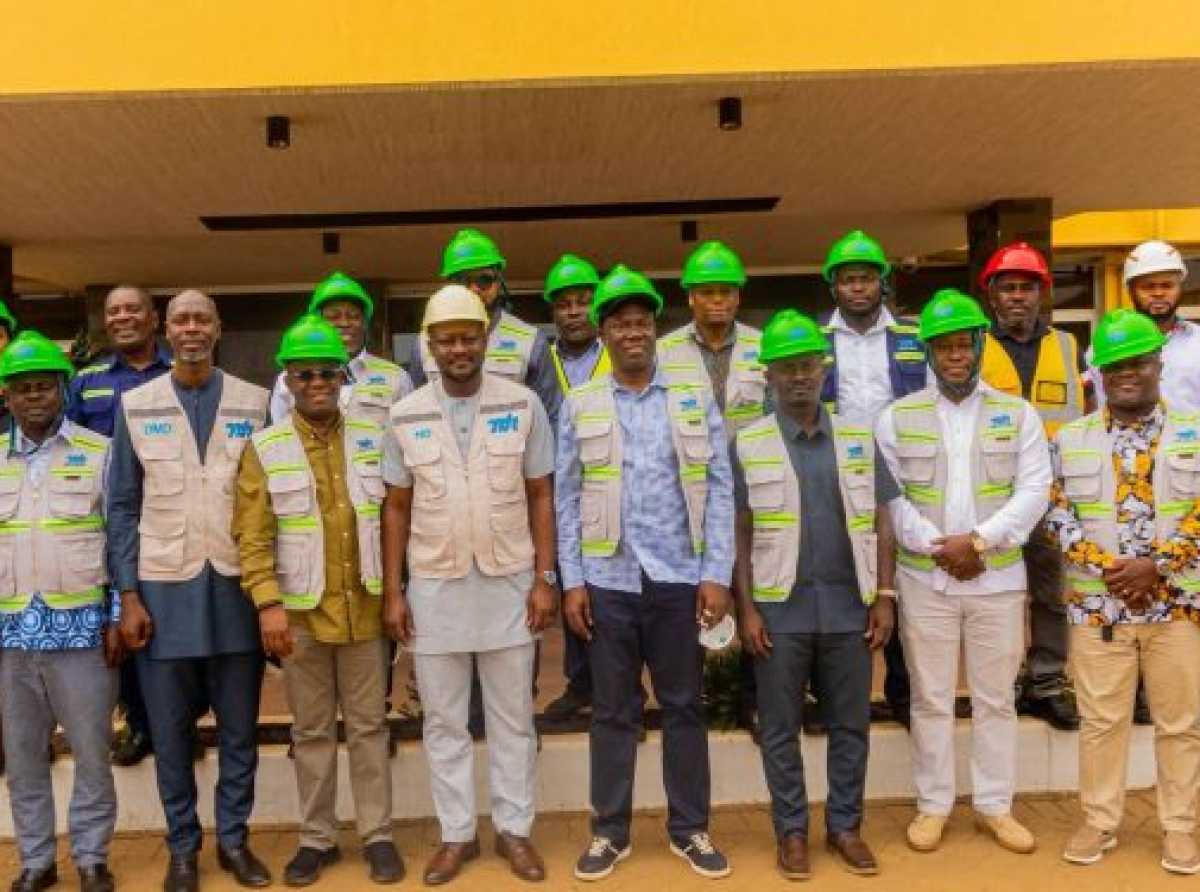
TOR Managing Director, Edmond Kombat, disclosed this during a working visit by Parliament’s Energy Committee to the refinery.
According to Mr Kombat, TOR’s outstanding legacy obligations currently stand at about US$400 million following an initial debt restructuring exercise.
“We do have legacy debts on our books. When we did the restructuring, the first phase brought it down to about $400-and-something million,” he explained.
Mr Kombat said the Ministry of Finance intends to include the proposed debt write-off in the 2026 Budget.
He explained that removing the approximately US$120 million from TOR’s obligations would further reduce the refinery’s legacy debt burden.
“Currently, the Ministry of Finance is saying they are going to write off some of the debts owed to them. I think they are including it in this year’s budget. It’s about $120 million. So if that is taken out, it will also further bring the debt down,” he said.
The proposed write-off forms part of broader efforts to address TOR’s longstanding financial obligations and improve the refinery’s financial position.
Despite the anticipated write-off, Mr Kombat noted that TOR continues to face significant debts owed to both private companies and state-owned institutions.
He identified Sahara and BP among the refinery’s private creditors and said management was engaging them to explore possible discounts and other arrangements to reduce the amounts owed.
TOR also has outstanding obligations to the Ghana National Petroleum Corporation (GNPC) and the Volta River Authority (VRA).
“We also owe GNPC and VRA. Because they are state institutions, we will need your help as the Parliamentary Select Committee to help net it off,” Mr Kombat told the Energy Committee.
The TOR Managing Director appealed to Parliament’s Energy Committee to support efforts to resolve the refinery’s obligations to GNPC and VRA.
He said such support would complement management’s ongoing negotiations with private creditors as the refinery seeks to reduce its overall debt burden.
The proposed US$120 million write-off, if implemented, would provide further relief to TOR after the earlier restructuring exercise reduced its legacy obligations to approximately US$400 million.
The refinery is expected to continue discussions with its creditors as efforts to improve its financial position and operational sustainability progress.

Aikines Anyomi

News
Food
Politics
Technology
About Us
Download Our Mobile App

