
High domestic airfares put pressure on government as stakeholders seek cost relief
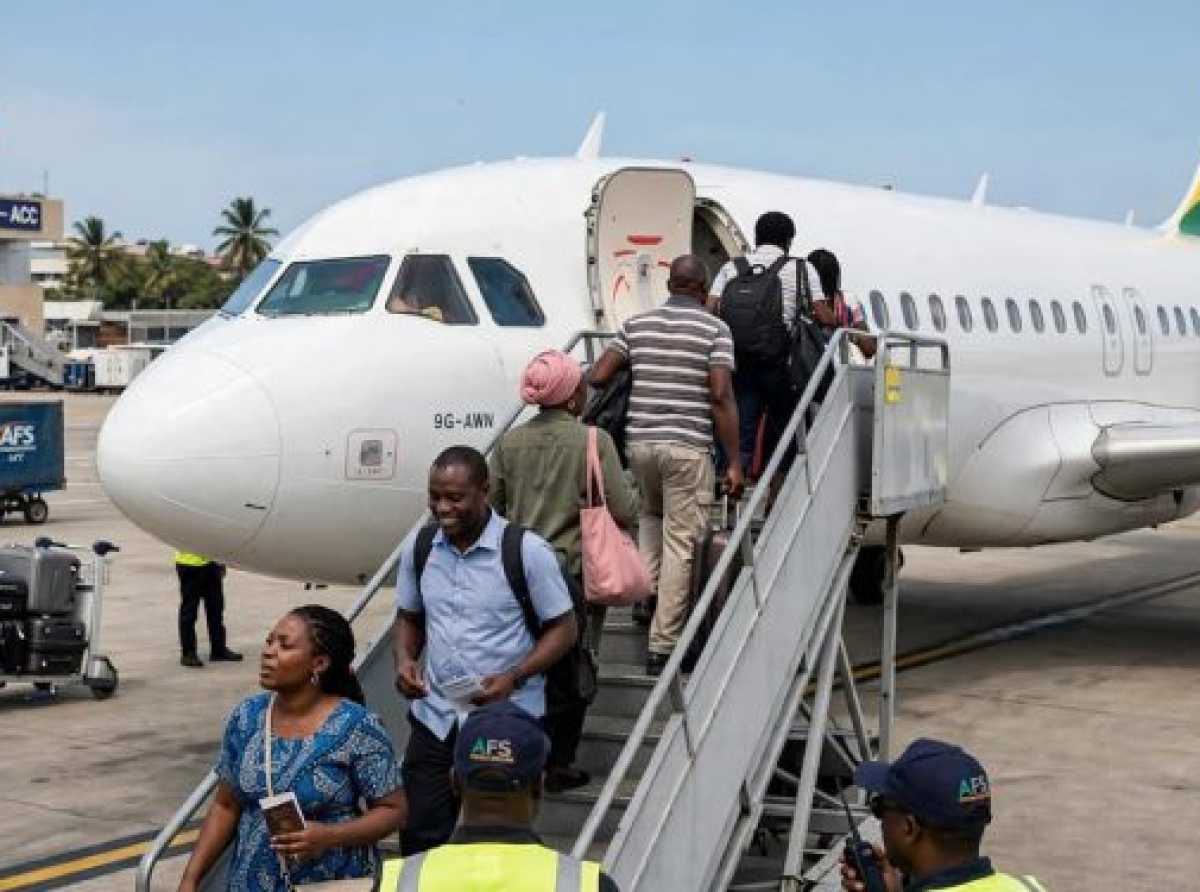
There is growing pressure on the government to take further measures to reduce the cost of domestic air travel in Ghana, as passengers continue to face relatively high fares on major local routes.
A recent survey by CUTS International found that return economy fares from Accra to Kumasi range between US$275 and US$522, while return fares between Accra and Tamale range from US$318 to US$565.
On the Accra-Takoradi route, return economy fares range between US$379 and US$493, according to the survey.
The figures have raised concerns about the cost of domestic air travel, particularly when compared with selected international routes.
For instance, return fares start from about US$152 in Lagos, US$166 in Nairobi and US$133 in Mumbai. Some European routes recorded even lower starting fares, including approximately US$108 in Paris, US$58 in Madrid and US$52 in Rome.
The disparity has renewed debate over the factors contributing to Ghana’s relatively high domestic airfares.
One of the major factors affecting airline operating costs is aviation fuel.
The National Petroleum Authority (NPA) estimates that Jet A-1 accounts for between 30% and 35% of airline operating costs. Changes in global crude oil prices and the cost of importing aviation fuel can therefore have a direct impact on the cost of air tickets.
However, industry analysts and stakeholders say fuel is only one component of the overall cost structure.
The age and efficiency of aircraft used by airlines can also influence operating expenses.
Older aircraft may require more frequent maintenance and could have higher fuel consumption compared with newer and more fuel-efficient models.
Airlines must also contend with significant foreign-exchange exposure. While a substantial portion of their revenue is generated in Ghana cedis, several major expenses—including aircraft leases, maintenance, insurance and other technical services—are denominated in US dollars.
Movements in the exchange rate can therefore affect the cost of operating domestic flights.
Competition within Ghana’s domestic aviation market is another issue attracting attention.
The market is largely served by airlines such as PassionAir and Africa World Airlines, prompting discussions about whether greater competition and the entry of additional operators could help put downward pressure on fares.
The government has already introduced tax and duty relief measures on imported aircraft spare parts, while airlines are also bringing in higher-capacity aircraft.
However, stakeholders say such measures may take time to translate into lower fares for passengers.
CUTS International has identified several potential interventions aimed at reducing the cost of domestic air travel.
These include reviewing fixed aviation charges, reducing airport infrastructure-related fees, lowering barriers to entry for new airlines and strengthening competition oversight within the sector.
The organisation has also highlighted the need to explore measures to manage aviation fuel costs, given the significant contribution of Jet A-1 to airline operating expenses.
The broader objective, according to stakeholders, is to identify and address the various cost components that contribute to domestic airfares rather than focusing exclusively on fuel.
A key question is how quickly proposed interventions will translate into lower ticket prices for passengers.
Aviation analyst Dr Dominic Andoh expects some easing in domestic airfares over the next six months as airlines adjust to lower-cost spare parts and implement other operational changes.
However, the extent to which such measures will affect ticket prices will depend on several factors, including fuel costs, foreign-exchange movements, airport charges, aircraft operating costs and the level of competition in Ghana’s domestic aviation market.
The debate therefore continues over how government, regulators and airlines can work together to reduce operating costs and make domestic air travel more affordable for passengers.

Aikines Anyomi

News
Food
Politics
Technology
About Us
Download Our Mobile App

