GoldBod commits GH¢8.4m to rehabilitate 3 water treatment systems in partnership with Ghana Water Company Limited
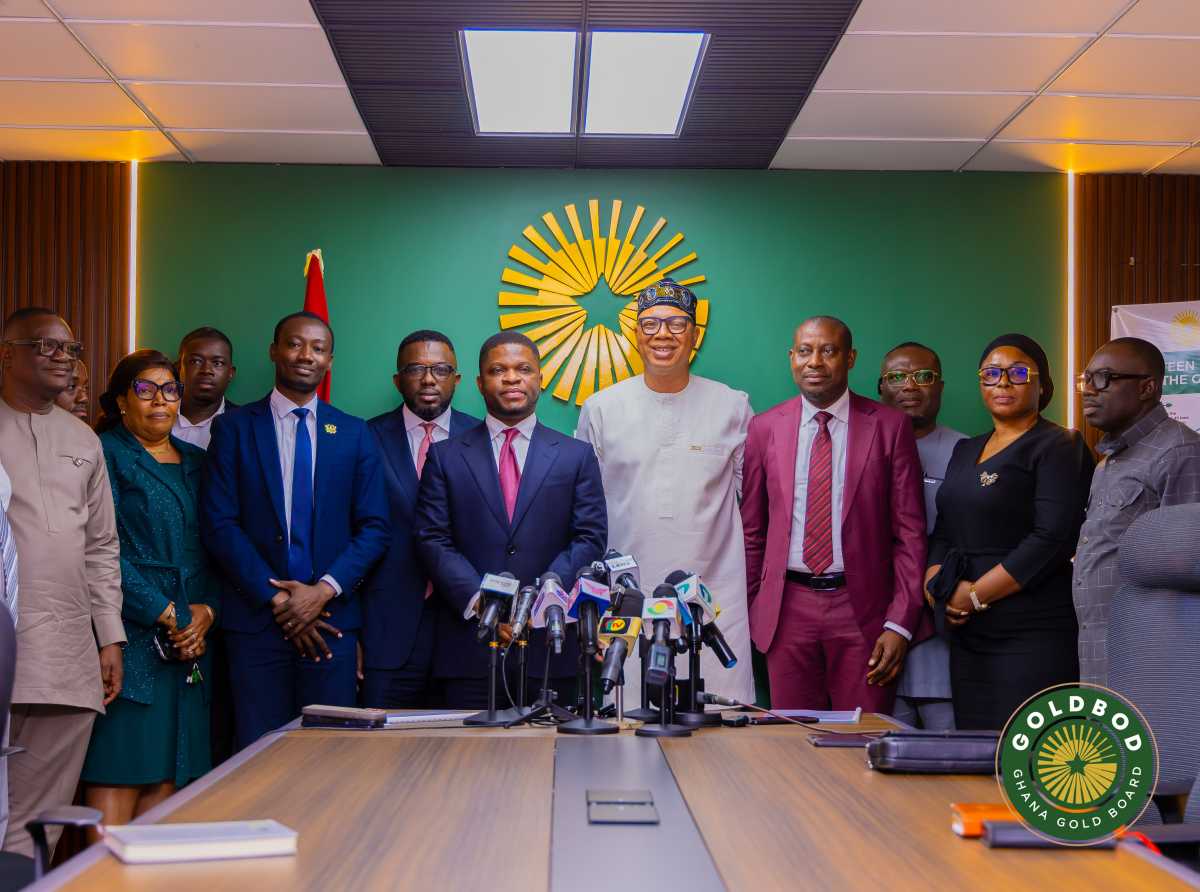
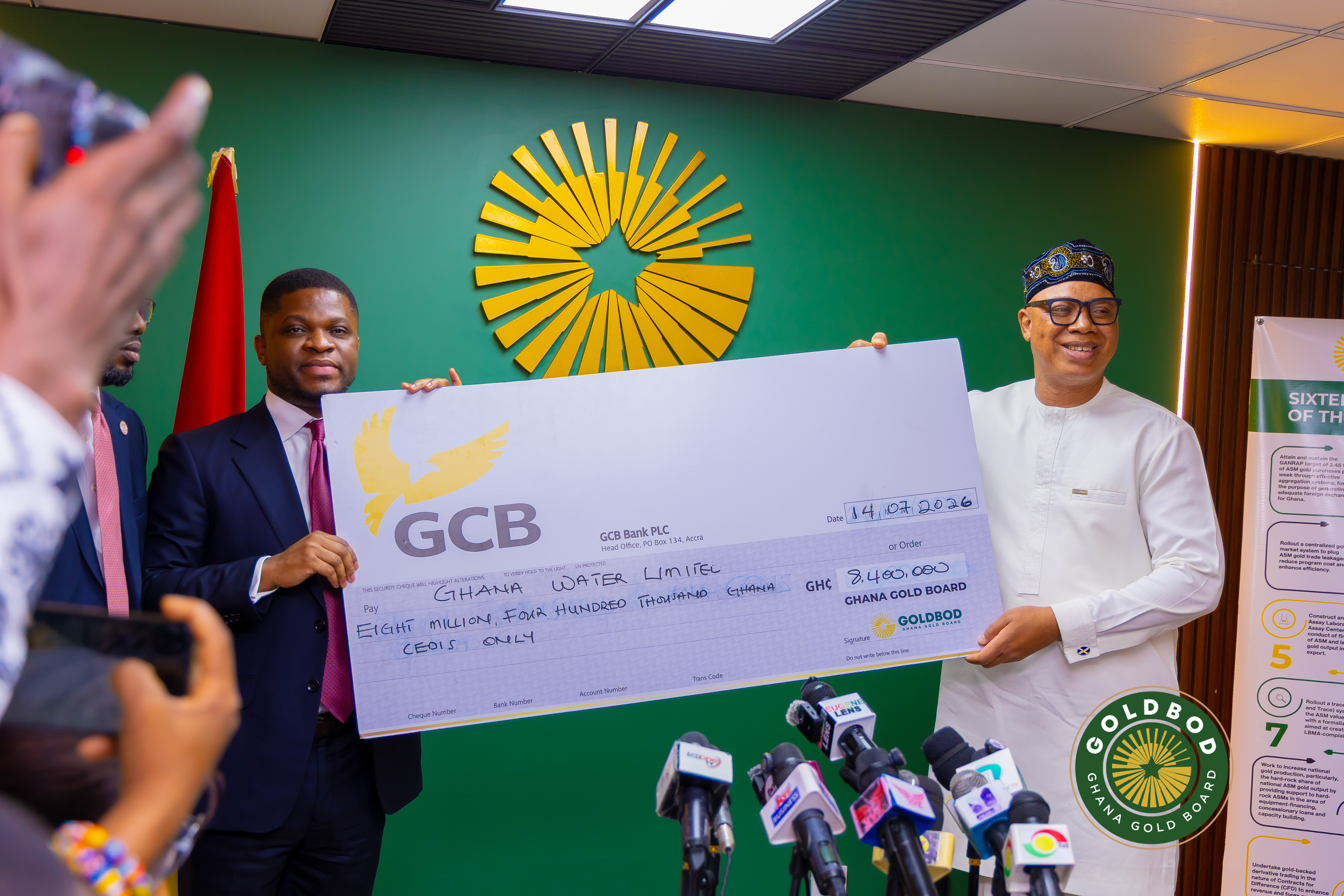
The Ghana Gold Board (GoldBod) has signed a GH¢8.4 million agreement with Ghana Water Limited (GWL) to rehabilitate three major water supply systems in the Western and Central Regions, in a move aimed at improving access to clean water and mitigating the environmental impact of illegal mining.
The intervention forms Phase One of a broader rehabilitation programme that seeks to restore critical water treatment infrastructure affected by years of pollution, reaffirming GoldBod's commitment to responsible mining, environmental sustainability and corporate social responsibility.
Under the agreement, the Bonsa, Daboase and Sekyere Heman Water Supply Systems will undergo extensive rehabilitation after experiencing prolonged operational difficulties caused by high turbidity levels.
According to GoldBod, the deterioration of the facilities has largely been attributed to illegal mining activities, sand winning and other environmental factors that have significantly increased sediment levels in raw water sources, making treatment more difficult and costly.
The rehabilitation is expected to improve water production and ensure more reliable water supply to thousands of residents in the affected communities.
Speaking at the signing ceremony, the Chief Executive Officer of GoldBod, Sammy Gyamfi, disclosed that the Managing Director of Ghana Water Limited first approached the Board in October 2025 for financial support to rehabilitate six water treatment plants that had suffered years of environmental degradation.
Rather than immediately approving the request, GoldBod established an independent technical assessment team comprising officers from its Environmental, Social and Governance (ESG) Unit under the Responsible Mining and Sustainability Directorate.
The assessment confirmed the urgent need for intervention and recommended that the Board finance the rehabilitation of three facilities as the first phase of the programme.
Mr. Gyamfi expressed confidence that the successful implementation of the initial phase would pave the way for GoldBod to finance the rehabilitation of the remaining three treatment plants located at Baifikrom, Kwanyako and Essagyir under a second phase.
Although the challenges facing the affected water systems predate the establishment of GoldBod, Mr. Gyamfi said the institution considered it necessary to intervene because access to clean and safe drinking water is fundamental to public health and national development.
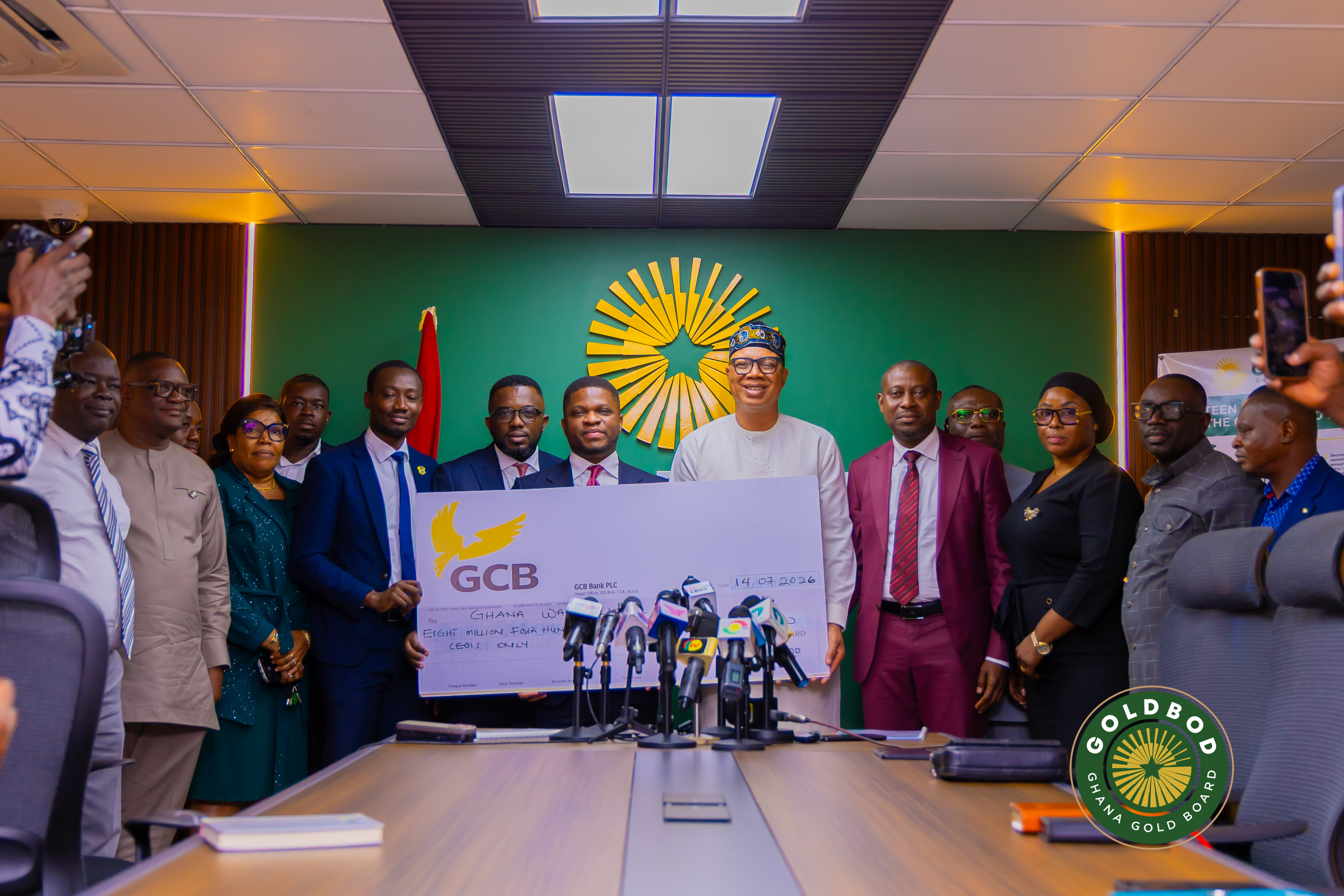
He explained that the project aligns with GoldBod's statutory mandate to promote responsible mining practices and implement sustainability initiatives through its Environmental, Social and Governance policy.
Coupled with our corporate social responsibility policy, GoldBod has taken interest in projects that are aimed at restoring our environment and protecting the ecological integrity of our society," he stated.
Mr. Gyamfi stressed that GoldBod would maintain strict oversight of the project to ensure value for money.
Instead of transferring the funds directly to Ghana Water Limited, both institutions signed a comprehensive implementation agreement that clearly outlines how the funds will be utilised and defines the responsibilities of each party.
While Ghana Water Limited will execute the rehabilitation works, GoldBod's technical experts will continuously monitor and evaluate the project to ensure it is delivered according to agreed standards, timelines and specifications.
He noted that the outcome of the first phase would determine whether the Board proceeds to finance the remaining treatment plants.
Managing Director of Ghana Water Limited, Adam Mutawakilu, expressed appreciation to GoldBod for what he described as a timely intervention to address a long-standing challenge affecting water supply.
According to him, the affected treatment plants have struggled with high turbidity levels for approximately nine years, significantly reducing their operational efficiency and impacting water delivery to surrounding communities.
He explained that the cost of rehabilitating the facilities exceeded Ghana Water Limited's internally generated funds, making external support essential.
Mr. Mutawakilu also commended GoldBod for undertaking an independent technical assessment before approving the funding, describing the approach as transparent and professional.
He assured the Board that every cedi allocated under the agreement would be used strictly for the intended purpose to ensure the successful completion of the rehabilitation works.
Mr. Gyamfi reiterated that GoldBod remains committed to supporting initiatives that improve the lives of Ghanaians while promoting responsible management of the country's natural resources.
He described the partnership with Ghana Water Limited as another demonstration of GoldBod's broader commitment to sustainable national development and environmental stewardship.
He further called on other public institutions, private companies and development partners to support similar initiatives aimed at protecting critical infrastructure and addressing the environmental consequences of illegal mining.
The rehabilitation programme represents another significant milestone in GoldBod's efforts to complement the formalisation of Ghana's gold sector with strategic investments that protect the environment, strengthen essential public services and improve the quality of life for communities affected by mining activities.

Aikines Anyomi
News
Food
Politics
Technology
About Us
Download Our Mobile App

