
Nigeria’s Dangote begins pricing local fuel sales in dollars, citing crude supply constraints
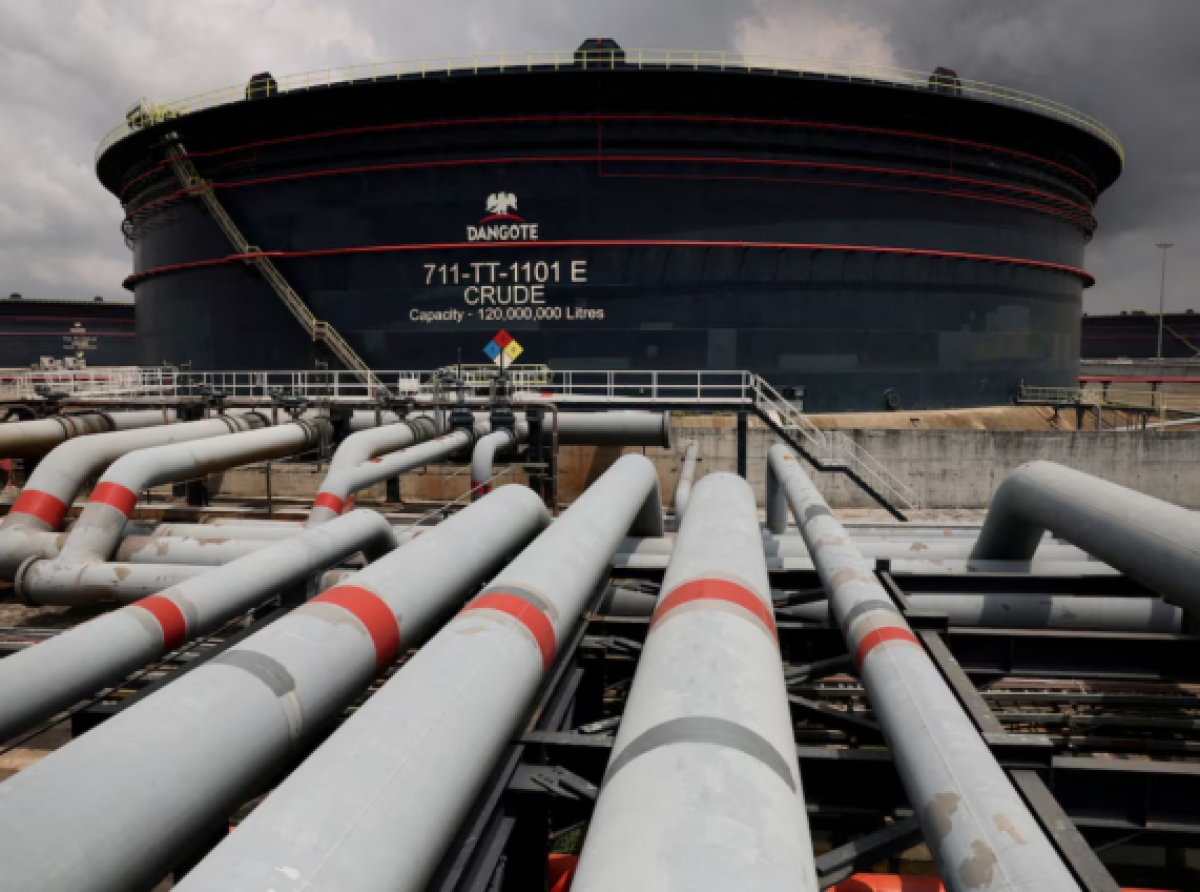
Nigeria's Dangote Petroleum Refinery has started pricing petroleum products for the domestic market in U.S. dollars, citing persistent challenges in securing adequate crude oil supplies under the federal government's naira-for-crude programme and rising global crude prices.
The move marks a significant shift in Nigeria's downstream petroleum sector and could have far-reaching implications for fuel pricing, foreign exchange demand and the country's broader energy market.
According to a pricing template circulated to petroleum marketers, Africa's largest refinery has set its ex-depot prices at:
- Petrol: $0.779 per litre
- Diesel: $1.087 per litre
- Aviation fuel: $0.942 per litre
Speaking on Tuesday, Edwin Devakumar, Vice President of the Dangote Group, explained that the refinery had reached a point where selling refined products in naira while purchasing crude oil in U.S. dollars had become financially unsustainable.
"The refinery has been absorbing a currency mismatch by selling products in naira while sourcing crude in dollars, but limited crude supply under the naira-for-crude programme has undermined the arrangement," he indicated.
The naira-for-crude initiative was introduced by the Nigerian government in October 2024 to enable domestic refiners to purchase crude oil using the local currency instead of U.S. dollars.
The policy was designed to reduce pressure on Nigeria's foreign exchange reserves, strengthen the naira and support local refining capacity by lowering dependence on imported petroleum products.
However, Dangote Refinery says the programme has failed to provide enough crude oil to meet its operational requirements.
Although the Nigerian National Petroleum Company (NNPC) increased the refinery's monthly crude allocation from approximately five cargoes to seven cargoes in May, the company says it requires between 13 and 15 cargoes every month to operate efficiently.
As a result, the refinery has had to source the remaining crude from international suppliers at prevailing global market prices, increasing its production costs.
Industry analysts say the decision to denominate fuel prices in U.S. dollars could increase demand for foreign currency among petroleum marketers, who will now need additional dollars to purchase products from the refinery.
The development could also expose domestic fuel prices more directly to fluctuations in the exchange rate, potentially affecting pump prices if the naira weakens against the dollar.
The shift may also influence inflation and transportation costs, given the central role petroleum products play in Nigeria's economy.
Dangote Petroleum Refinery, located in Lagos, has a refining capacity of 700,000 barrels of crude oil per day, making it the largest single-train refinery in Africa.
Since commencing operations, the refinery has significantly reduced Nigeria's reliance on imported petrol and has become one of the country's principal suppliers of refined petroleum products.
Despite this achievement, the refinery has consistently raised concerns about inadequate domestic crude supply, arguing that limited allocations have forced it to rely heavily on more expensive imported crude.
As of Tuesday, Nigeria's downstream regulator, the Nigerian Midstream and Downstream Petroleum Regulatory Authority (NMDPRA), had not issued an official response to the refinery's decision or commented on its potential implications for the country's fuel market.
The latest development is expected to intensify discussions over Nigeria's crude allocation policy and the future of the naira-for-crude programme as authorities seek to balance domestic refining needs with foreign exchange stability.

Aikines Anyomi

News
Food
Politics
Technology
About Us
Download Our Mobile App

