Ongoing reforms in education are aimed at equipping young Ghanaians with relevant skills - Education Minister
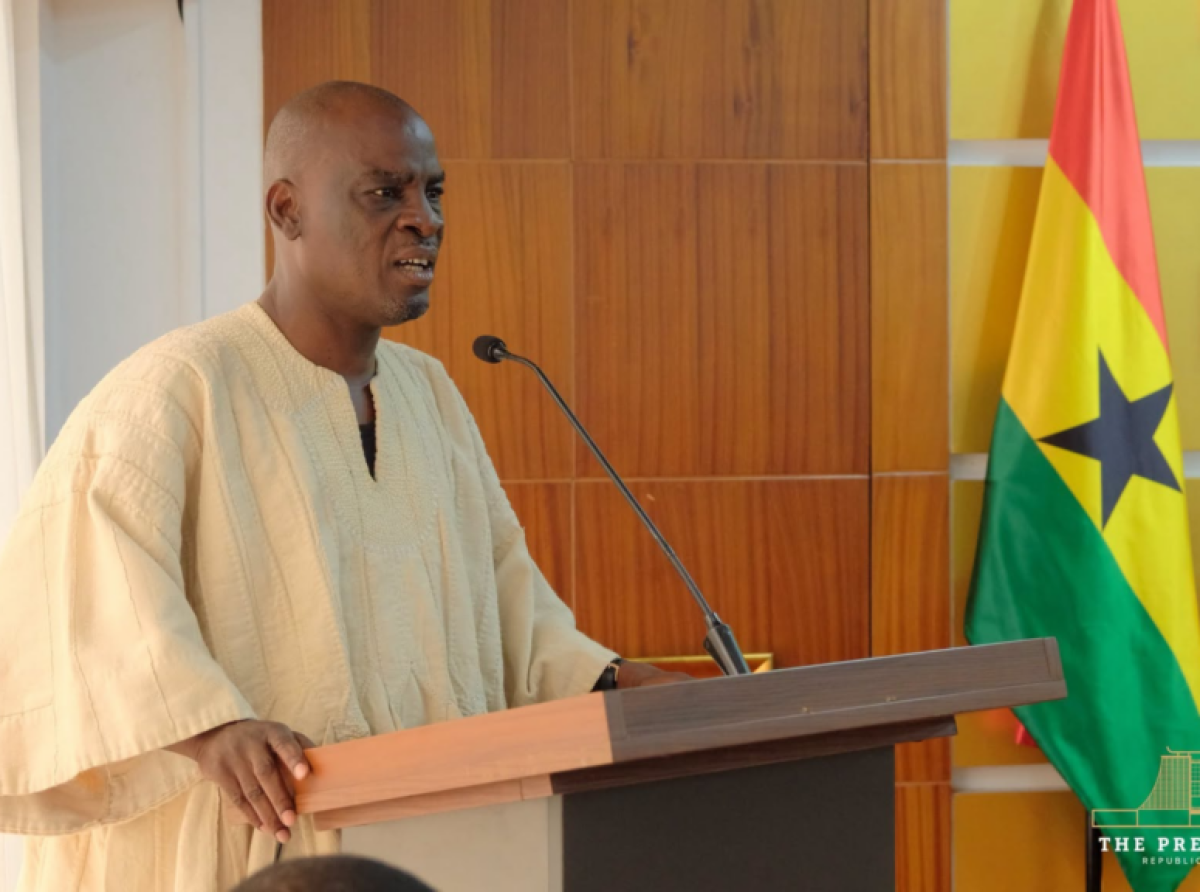
The Minister for Education, Haruna Iddrisu, has announced that a revised curriculum for Kindergarten to Junior High School (JHS) will be submitted to the Ministry of Education this week as part of efforts to modernise Ghana’s education system and prepare students for future job opportunities.
The updated curriculum is expected to introduce emerging technology-focused subjects, including coding, artificial intelligence (AI), electronics, and Technical and Vocational Education and Training (TVET), as Ghana moves to equip young learners with skills relevant to the digital economy.
Speaking at the Government Accountability Series in Accra on Monday, July 20, the Education Minister said the reforms are designed to ensure that students acquire practical knowledge, innovation skills, and technical competencies from an early stage of their education.
Mr. Haruna Iddrisu explained that the revised basic education curriculum forms part of broader government efforts to transform learning outcomes and align education with the changing demands of the global economy.
He said introducing areas such as coding, artificial intelligence, and electronics will help expose young learners to technology, problem-solving, creativity, and digital skills needed for future careers.
The inclusion of TVET components is also expected to strengthen practical learning and encourage more students to pursue technical and vocational pathways that support industry, entrepreneurship, and economic growth.
According to the Minister, education reforms must go beyond traditional classroom learning and focus on producing graduates who can contribute meaningfully to national development.
Beyond basic education reforms, Mr. Iddrisu disclosed that government is exploring measures to expand access to medical education in Ghana.
He said lessons are being drawn from recent reforms in legal education following the passage of the Legal Education Act, 2026, which introduced changes aimed at improving access and strengthening professional training.
The Minister noted that increasing opportunities for professional education is necessary to develop the skilled workforce required to support Ghana’s long-term economic transformation.
He explained that sectors such as healthcare require expanded training opportunities to meet growing national needs and address shortages of specialised professionals.
The Education Minister emphasised that the government's education agenda is focused on creating pathways for more young Ghanaians to acquire relevant skills and access professional careers.
He said reforms across different levels of education are aimed at improving quality, expanding opportunities, and ensuring that Ghana’s human capital development keeps pace with global trends.
Mr. Iddrisu added that strengthening education systems remains central to achieving sustainable economic growth, technological advancement, and improved social development outcomes.
The announcement forms part of a wider push by the government to review Ghana’s education policies and improve the connection between learning and employment opportunities.
By introducing technology-based subjects at the basic level and exploring expanded access to professional programmes, authorities hope to create a more inclusive education system capable of producing skilled graduates for Ghana’s future workforce.
The revised Kindergarten-to-JHS curriculum is expected to provide a new foundation for learners by combining academic knowledge with digital literacy, technical skills, and practical competencies.

Aikines Anyomi

News
Food
Politics
Technology
About Us
Download Our Mobile App

