NACOC arrests drug trafficking kingpin linked to $296 million methamphetamine shipment to Australia
The Narcotics Control Commission (NACOC) has arrested the alleged mastermind behind an attempted international drug trafficking operation involving approximately 320 kilograms of methamphetamine intercepted by Australian authorities.
The arrest marks a significant breakthrough in ongoing investigations into the transnational drug syndicate, with authorities indicating that efforts are underway to apprehend other individuals believed to be connected to the operation.
Speaking in an interview with Adom News, NACOC Deputy Director-General, Lawyer Alexander Twum-Barimah, confirmed that investigators had successfully identified and arrested the suspected kingpin linked to the shipment.
“With regard to the recent case in which Australian authorities intercepted about 320 kilograms of methamphetamine concealed in a shipment from Ghana, we have successfully arrested the lead person and are looking forward to arresting the remaining persons involved,” he stated.
The case attracted significant attention after Australian law enforcement agencies intercepted the large consignment of methamphetamine allegedly concealed within cargo originating from Ghana.
The seizure triggered collaboration between Ghanaian and Australian authorities, leading to investigations aimed at uncovering the individuals and networks responsible for the attempted export.
NACOC officials say intelligence gathering and ongoing investigations have already yielded critical leads, resulting in the arrest of the alleged ringleader.
The Commission has not yet disclosed the identity of the suspect, citing the need to protect the integrity of ongoing investigations and efforts to arrest additional accomplices.
Authorities believe the operation may involve a broader network engaged in the production, transportation, and distribution of narcotic substances across international borders.
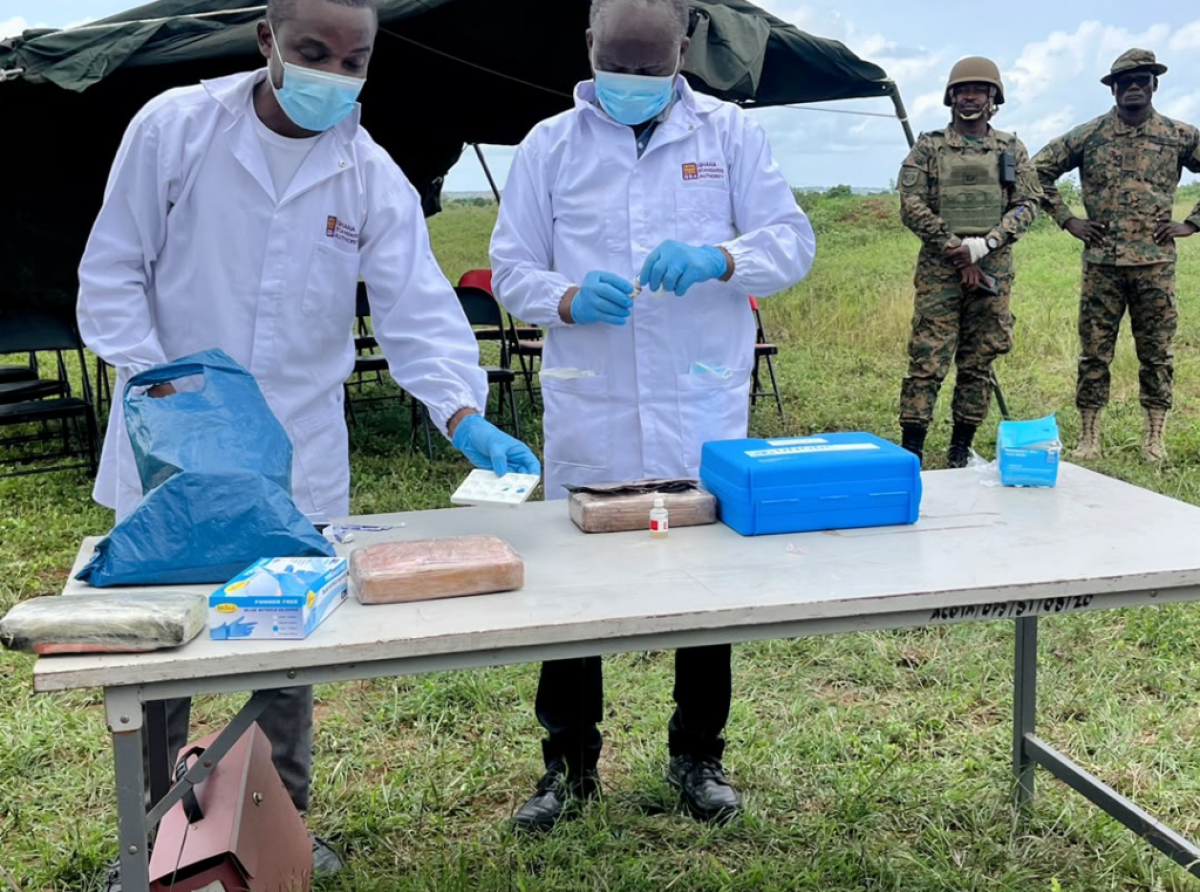
In a separate development, NACOC announced the destruction of a substantial quantity of seized narcotic substances and related products with an estimated street value exceeding GH¢37 million.
According to Lawyer Twum-Barimah, the destruction exercise was carried out after all required legal and regulatory procedures had been completed, including independent verification by the Ghana Standards Authority and authorization from the courts.
The items destroyed included:
- 9.6 tonnes of cannabis;
- 46.89 kilograms of cocaine;
- 2,734 bottles of cannabis-infused beverages; and
- 130 boxes of hemp-related products.
The Commission explained that the destruction of seized drugs is a critical component of its enforcement strategy, ensuring that confiscated narcotics do not find their way back into circulation.
“After independent verification by the Ghana Standards Authority and authorization from the court, we destroyed 9.6 tonnes of cannabis, 46.89 kilograms of cocaine, 2,734 bottles of cannabis-laced drinks, and 130 boxes of hemp-related products,” Mr Twum-Barimah stated.
Meanwhile, NACOC has provided an update on another high-profile narcotics-related case involving five students of Central University who were arrested for allegedly producing and selling cannabis-infused products.
According to the Director-General of NACOC, Brigadier General Maxwell Obuba Mantey, the students have been formally processed and arraigned before the courts.
“The five students arrested at Central University for engaging in the production and sale of cannabis-infused ice cream, sobolo, toffees and eggs have been processed and arraigned before court,” he disclosed.
The case sparked public debate about the growing misuse of cannabis and cannabis-derived substances among young people and within educational institutions.
Authorities are expected to continue investigations while court proceedings determine the outcome of the matter.
NACOC says the latest developments underscore its commitment to combating drug trafficking, substance abuse, and organized criminal networks operating within and beyond Ghana's borders.
The Commission has intensified surveillance, intelligence-led operations, and collaboration with international law enforcement agencies as part of efforts to disrupt narcotics trafficking routes and dismantle criminal syndicates.
Officials believe stronger enforcement measures, public education campaigns, and international cooperation will be essential in addressing the evolving threat posed by illicit drugs.
NACOC reiterated that it remains committed to protecting public health and national security by preventing the production, distribution, and consumption of illegal narcotic substances.
The Commission also urged members of the public to support anti-drug efforts by providing information on suspicious activities and cooperating with law enforcement agencies in the fight against drug-related crimes.

Aikines Anyomi

News
Food
Politics
Technology
About Us
Download Our Mobile App

