
$300m World Bank financing secured to end double-track by 2027 – Mahama
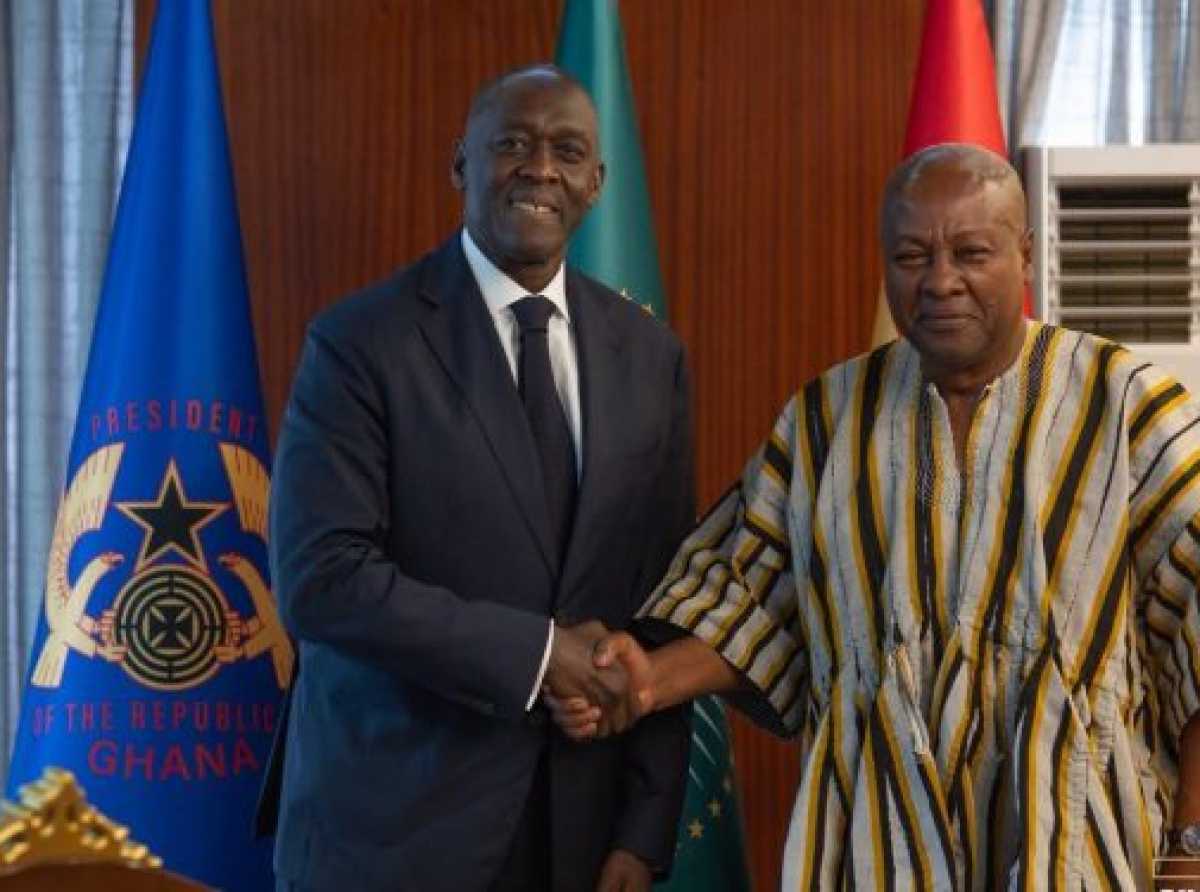
President John Dramani Mahama says the government has secured a $300 million financing package from the World Bank to expand senior high school infrastructure and end the double-track system by the end of 2027.
Mr Mahama disclosed this after receiving the Managing Director of the International Finance Corporation (IFC), Makhtar Diop, for a high-level bilateral engagement.
The meeting focused on strengthening cooperation between Ghana and the World Bank Group, with education infrastructure among the key areas discussed.
In a social media post on Thursday, September 17, the President said the financing would help address infrastructure constraints arising from increased enrolment under the Free Senior High School (Free SHS) policy.
“Through our collaboration with the World Bank, we have secured a $300 million financing package to permanently end the double-track system in Senior High Schools by the end of 2027,” he said.
The double-track system was introduced to accommodate increased enrolment under Free SHS amid constraints in classroom, dormitory and other school facilities.
Beyond education, President Mahama said the discussions covered opportunities to expand commercial agriculture, particularly in cocoa, oil palm and poultry.
He said the government remained committed to strengthening domestic processing as part of its industrialisation strategy and creating more sustainable employment opportunities for young people.
Mr Mahama said he had reiterated the government’s policy of processing at least 50 per cent of Ghana’s cocoa, agricultural produce and mineral resources locally.
“Our discussions focused on deepening our strategic partnership to transform Ghana’s economy, with a strong emphasis on boosting commercial agriculture production in cocoa, oil palm, and poultry. Reaffirming our commitment to industrialisation, I reiterated our firm policy to process at least 50% of our cocoa, farm produce, and mineral resources to create sustainable jobs for our youth,” he said.
The proposed financing and the wider discussions form part of the government’s engagement with the World Bank Group on education infrastructure, agricultural production and economic transformation.

Aikines Anyomi

News
Food
Politics
Technology
About Us
Download Our Mobile App

