
South Africa, Mozambique abstain from adoption of African Family Values Charter in Accra
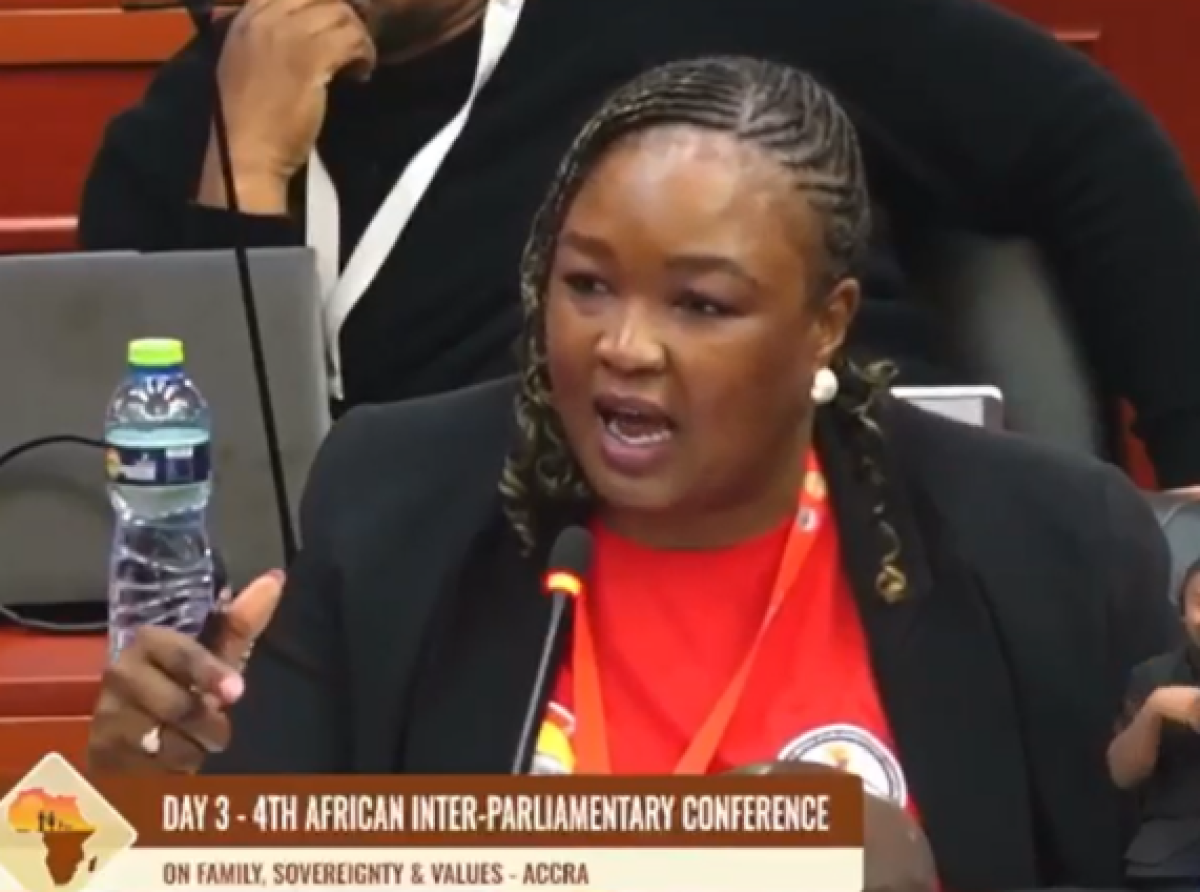
South Africa and Mozambique have announced their abstention from the adoption of the proposed African Charter on Family, Sovereignty and Values during the Fourth Inter-Parliamentary Conference currently taking place in Accra, Ghana.
The move comes as lawmakers, policymakers, and delegates from across the continent deliberate on the Charter, which seeks to promote family values, national sovereignty, and cultural norms within African societies.
South Africa's decision was disclosed by the head of its delegation, Zandile Majozi, during discussions at the conference.
According to the South African delegation, certain provisions within the Charter, particularly its definition of marriage as exclusively between a man and a woman, are inconsistent with South Africa’s constitutional framework and the international legal obligations the country upholds.
While reaffirming its respect for the objectives of the Charter, South Africa indicated that it could not endorse provisions that conflict with its domestic laws and constitutional principles.
The delegation stressed that its position should not be interpreted as opposition to the broader goals of promoting family welfare and social development but rather as a commitment to maintaining constitutional consistency.
Mozambique also announced its decision to abstain from the Charter's adoption, although for different reasons.
The decision was communicated in a letter addressed to Speaker of Parliament Alban Sumana Kingsford Bagbin by the head of the Mozambican delegation, Carlos Tembe.
The letter was read to participants at the conference by the Member of Parliament for Ho West, Emmanuel Bedzrah.
According to the communication, Mozambique's abstention was based on logistical and procedural considerations, including legislative scheduling constraints that prevented the delegation from fully participating in the decision-making process.
The development highlights the varying perspectives among African countries regarding the proposed Charter and its provisions.
The African Charter on Family, Sovereignty and Values has been a central topic of discussion at the conference, with supporters arguing that it provides a framework for protecting cultural values, strengthening family systems, and safeguarding national sovereignty.
The conference has brought together parliamentarians, religious leaders, policy experts, and civil society representatives from several African countries to discuss issues relating to governance, social policy, cultural identity, and family values.
Deliberations on the Charter are expected to continue as participating countries assess its provisions and implications within their respective legal and constitutional contexts.

Aikines Anyomi

News
Food
Politics
Technology
About Us
Download Our Mobile App

