West African women leaders declare violence against women a legislative emergency, demand urgent action
Female parliamentarians, current and former ministers, gender advocates, civil society leaders, and policymakers from across West Africa have adopted a landmark declaration calling for violence against women and girls (VAWG) to be treated as a legislative emergency throughout the ECOWAS region.
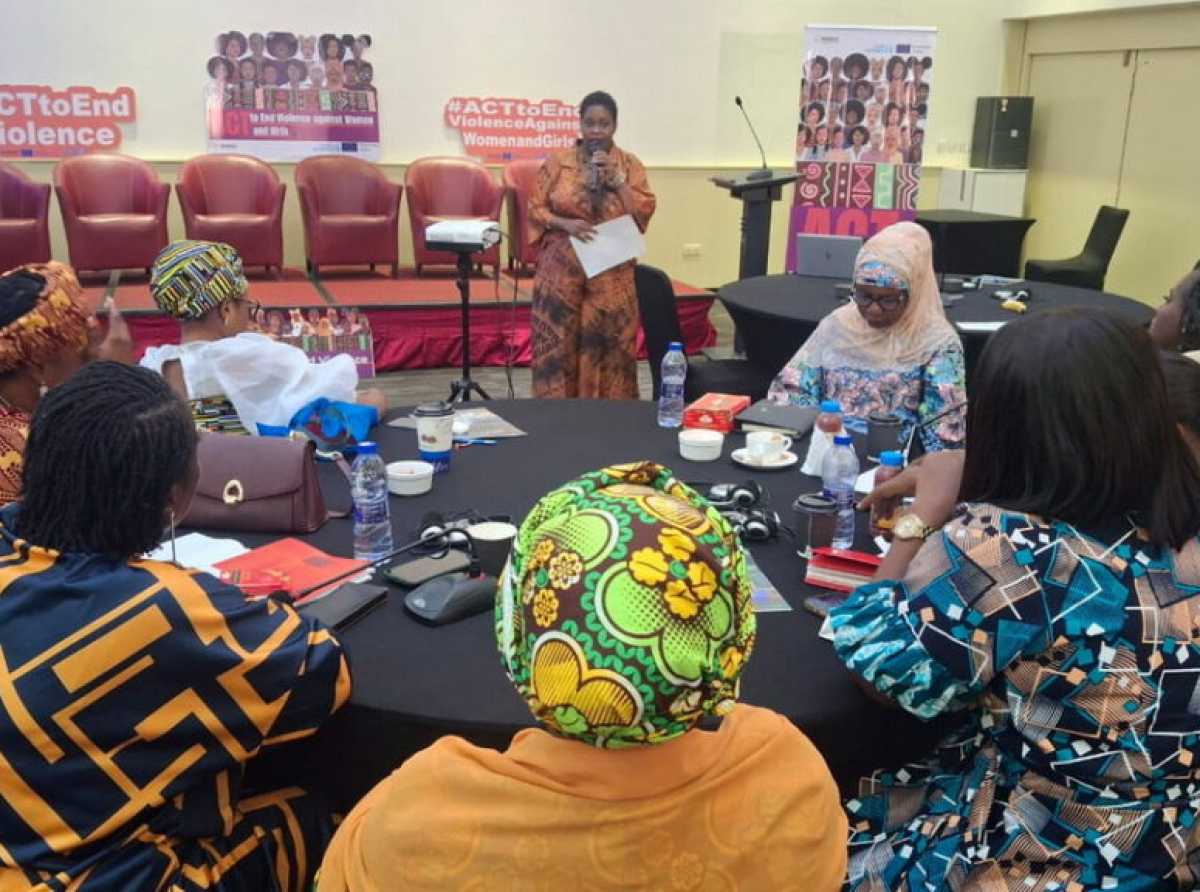
The declaration, known as the Accra Declaration on Ending Violence Against Women and Girls, was adopted during the West Africa Female Parliamentarians Peer Review Conference on Ending Violence Against Women and Girls, held in Accra under the auspices of the Women in Politics Forum (WIPF).
Participants warned that persistent gender-based violence continues to threaten democracy, economic development, peacebuilding, and the protection of fundamental human rights across West Africa, urging governments to take immediate legislative and policy action.
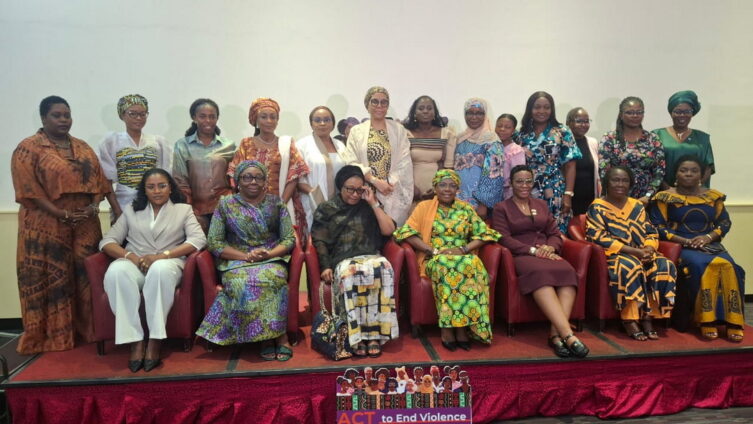
The conference brought together serving and former female parliamentarians, ministers responsible for gender affairs, former ministers of state, civil society organisations, and regional stakeholders from several ECOWAS member states.
Delegates agreed that ending violence against women and girls must become a national and regional priority, stressing that existing legal frameworks alone have not been sufficient to protect victims.
According to the declaration, many West African countries have enacted progressive laws aimed at addressing domestic violence, sexual abuse, harmful traditional practices, child marriage, and other forms of gender-based violence.
However, participants noted that weak implementation, inadequate funding, limited institutional capacity, and deeply rooted cultural norms continue to prevent women and girls from fully benefiting from those legal protections.
The leaders argued that these systemic challenges have allowed violence and discrimination to persist despite legislative progress made in many countries.
To address these shortcomings, participants called on national governments and parliaments to strengthen enforcement mechanisms and improve oversight of existing laws.
Among the key recommendations were increased budget allocations for institutions supporting survivors, including shelters, legal aid services, counselling centres, healthcare facilities, and law enforcement agencies responsible for investigating gender-based violence.
The declaration also urged ECOWAS member states to harmonise their legal frameworks to ensure women and girls receive consistent protection regardless of their country of residence.
Delegates further committed themselves to championing survivor-centred legislation that prioritises the safety, dignity, and rights of victims while ensuring governments provide annual reports on the implementation of gender-based violence laws.
Recognising that effective protection requires adequate financial resources, participants pledged to advocate for sustainable national funding to strengthen justice systems and survivor support services.
The declaration specifically calls for governments to invest in shelters, rehabilitation programmes, legal assistance, psychosocial care, and community-based protection initiatives.
Delegates also agreed to build bipartisan parliamentary coalitions that treat violence against women and girls as a national development issue rather than a partisan political matter.
According to the conference, cross-party cooperation will be essential to ensuring lasting legislative reforms and stronger accountability mechanisms.
The declaration acknowledges that governments alone cannot eliminate gender-based violence.
Participants therefore committed to strengthening partnerships with civil society organisations, women's rights groups, traditional leaders, religious institutions, and community-based organisations that provide frontline services to survivors and advocate for policy reforms.
Delegates praised civil society organisations for their expertise, grassroots engagement, and role in supporting victims while promoting awareness and behavioural change.
They also highlighted the importance of strengthening referral systems that connect survivors to healthcare, legal services, counselling, and protection.
A major feature of the Accra Declaration is its emphasis on engaging men and boys as active partners in preventing violence against women and girls.
Participants said lasting change requires challenging harmful gender stereotypes and transforming destructive concepts of masculinity that contribute to abuse and discrimination.
They called for educational campaigns, community engagement programmes, and policy initiatives that encourage positive male leadership in promoting gender equality and respect for women's rights.
Delegates also expressed concern about increasing political violence, intimidation, and harassment targeting women seeking elected office across West Africa.
The declaration calls for political violence against women to be explicitly criminalised and for stronger legal protections to ensure women can participate safely and equally in political leadership.
Participants argued that eliminating violence and harassment in politics is essential to improving women's representation in decision-making and strengthening democratic governance throughout the region.
Among the major regional initiatives adopted at the conference is a proposal to establish a Ministerial Summit on Violence Against Women and Girls, which would publish annual reports measuring legislative progress across ECOWAS member states.
The summit would use a regional scorecard to assess governments' performance in implementing laws and policies designed to combat gender-based violence.
Delegates also agreed to establish the West African Female Parliamentarian Solidarity Movement (WAPSM) to strengthen collaboration among female lawmakers and sustain cross-border advocacy on women's rights and gender equality.
Beyond the declaration itself, participants endorsed a comprehensive regional action plan outlining practical measures for governments, legislatures, ECOWAS institutions, and civil society organisations.
The action plan calls on national governments to fast-track survivor-centred legislation, establish and operationalise dedicated support funds for victims, institutionalise gender-responsive budgeting, and encourage stronger engagement with male legislators as allies in advancing women's rights.
At the regional level, delegates urged ECOWAS to adopt a Supplementary Protocol on Violence Against Women and Girls, which would harmonise legal protections and establish common standards for preventing and responding to gender-based violence across member states.
Participants also committed to issuing joint quarterly reports, media statements, annual shadow reports, and regional scorecards to monitor governments' progress and maintain public attention on the issue.
Concluding the conference, delegates declared that ending violence against women and girls is "not optional" but a legislative, human rights, and development imperative requiring sustained political commitment at both national and regional levels.
They described the Accra Declaration as a landmark commitment to building a safer, more inclusive West Africa where women and girls can live free from violence and participate fully in democratic governance, peacebuilding, economic development, and public life.
The communiqué was endorsed by participants from Ghana, Liberia, Nigeria, Senegal, and Sierra Leone, reflecting a united regional determination to confront one of West Africa's most pressing human rights and development challenges.

Aikines Anyomi

News
Food
Politics
Technology
About Us
Download Our Mobile App

