
Financial inclusion expands, but economic well-being remains low at 22%
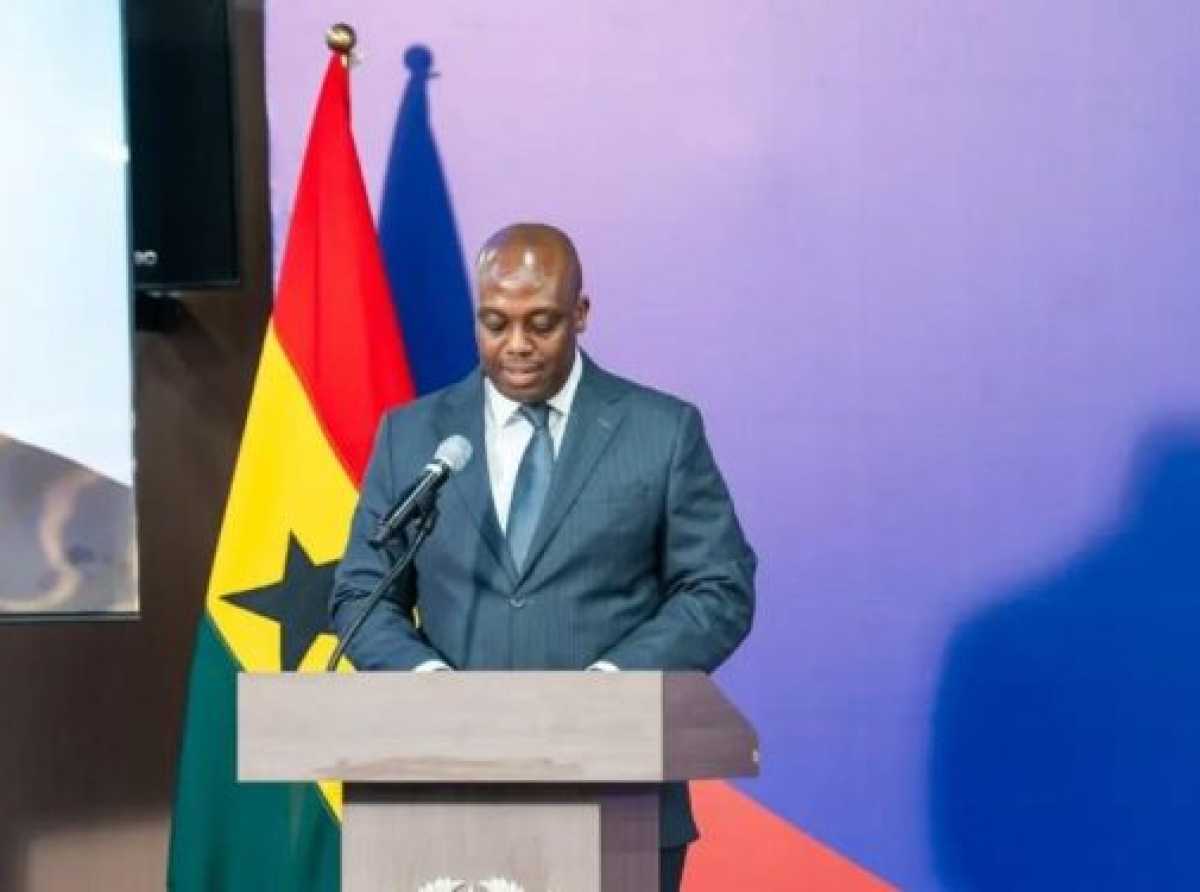
More than 80 per cent of Ghanaian adults now own a financial account, but only 22 per cent are considered financially healthy, highlighting a significant gap between access to financial services and the ability to use them to achieve financial security.
The World Bank’s Global Findex 2025 puts Ghana’s financial account ownership above 80 per cent, reflecting progress in expanding access to formal financial services.
However, findings from Ghana’s 2021 FinScope survey indicate that the majority of adults have yet to achieve financial health, raising questions about whether increased financial inclusion is translating into improved economic well-being.
The Deputy Minister of Finance, Thomas Ampem Nyarko, says the figures demonstrate the need for Ghana to shift its financial sector priorities towards the quality and impact of financial services rather than simply increasing the number of account holders.
Speaking at the inauguration of the National Technical Working Committee for the development of the National Financial Inclusion and Development Strategy (2027–2031) at the Ministry of Finance on Thursday, November 5, he said access to financial services must deliver tangible economic benefits.
“We have become good at opening accounts. We must now become better at making accounts improve lives,” he said.
Mr Ampem Nyarko explained that financial inclusion alone does not guarantee access to credit, insurance and other financial products needed to support business growth and protect livelihoods.
He cited the example of market traders who receive payments digitally but lack affordable credit to expand their businesses, as well as farmers who use mobile money services but have no insurance against crop failure.
“We know that a market woman may receive payments digitally but still lack affordable credit to expand her business. It is also true that a farmer may own a mobile money account but have no insurance against a failed harvest,” he said.
“Financial inclusion gives people access to the system, but financial health gives them the means to withstand shocks, build assets, and plan for the future.”
Mr Ampem Nyarko said the government is placing financial health at the centre of its economic transformation agenda as it develops the country’s second National Financial Inclusion and Development Strategy.
The 2027–2031 strategy is expected to focus on affordable and responsible financial services, digital innovation, consumer protection, financial literacy and financial resilience.
It will particularly target women, young people, farmers, informal sector workers and small businesses, many of whom face challenges accessing suitable financial products.
“Our goal is to move from access to meaningful usage, from financial transactions to financial security, and from financial inclusion to financial well-being,” he said.
As part of the proposed reforms, the government intends to establish a Financial Inclusion Council to strengthen coordination and accountability among financial sector regulators and other stakeholders.
It also plans to operationalise a financial health framework to assess whether households can meet everyday expenses, withstand financial shocks, save and invest for the future.
The National Technical Working Committee, comprising the Ministry of Finance, financial sector regulators and other stakeholders, is expected to lead the development of the strategy, which the government is targeting for launch in the first half of 2027.
The Deputy Minister said improving financial health would be essential to supporting Ghana’s transition towards a productive and competitive economy.
He cited economic growth of 6.2 per cent in the first half of 2026 and a decline in inflation from 23.8 per cent in December 2024 to 5.5 per cent in October 2026 as indicators of improving macroeconomic conditions.
However, he stressed that the success of the financial inclusion agenda should ultimately be measured by its impact on the financial circumstances of ordinary citizens.
“Let us measure our success not only by the number of people we bring into the financial system, but by the number of people whose lives we improve,” he said.

Aikines Anyomi

News
Food
Politics
Technology
About Us
Download Our Mobile App

