Jospong Group sponsors 21 Ghanaian journalists to cover COP31 in Turkey
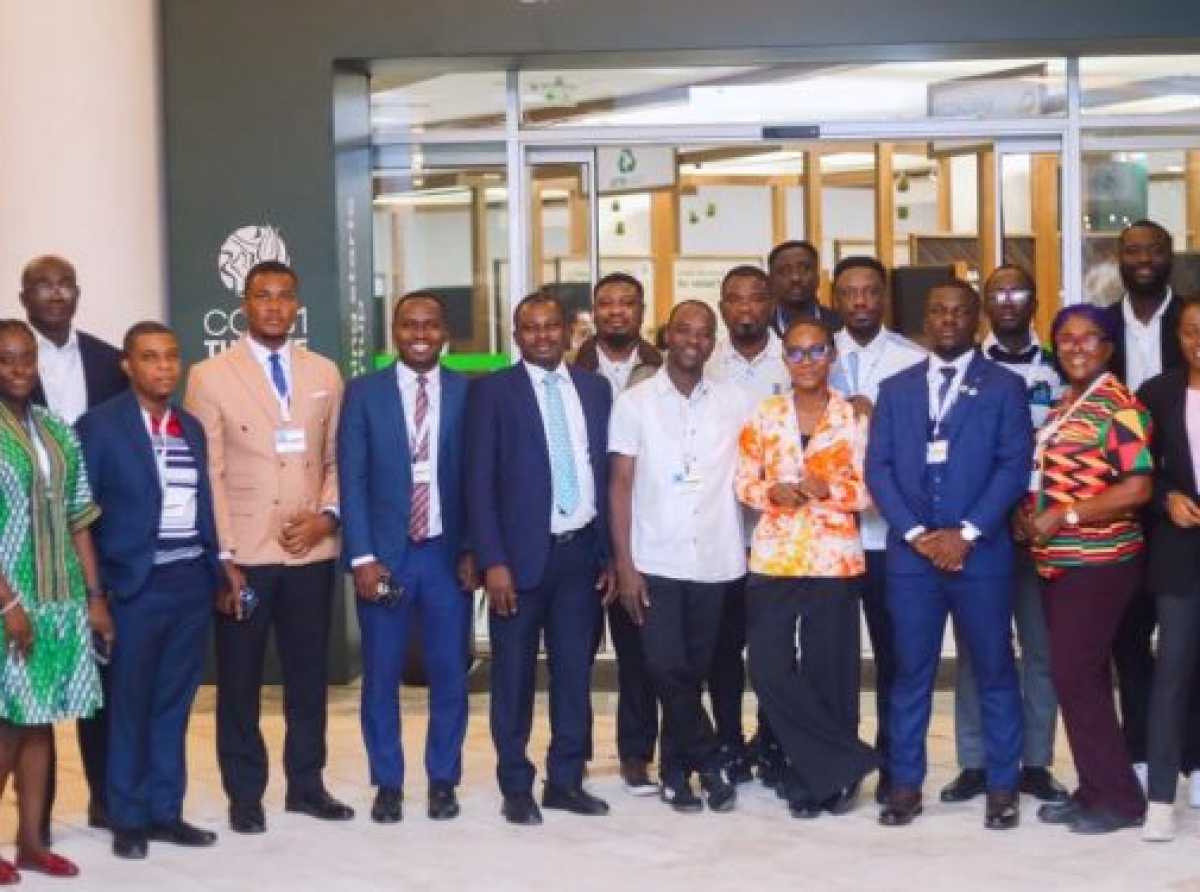
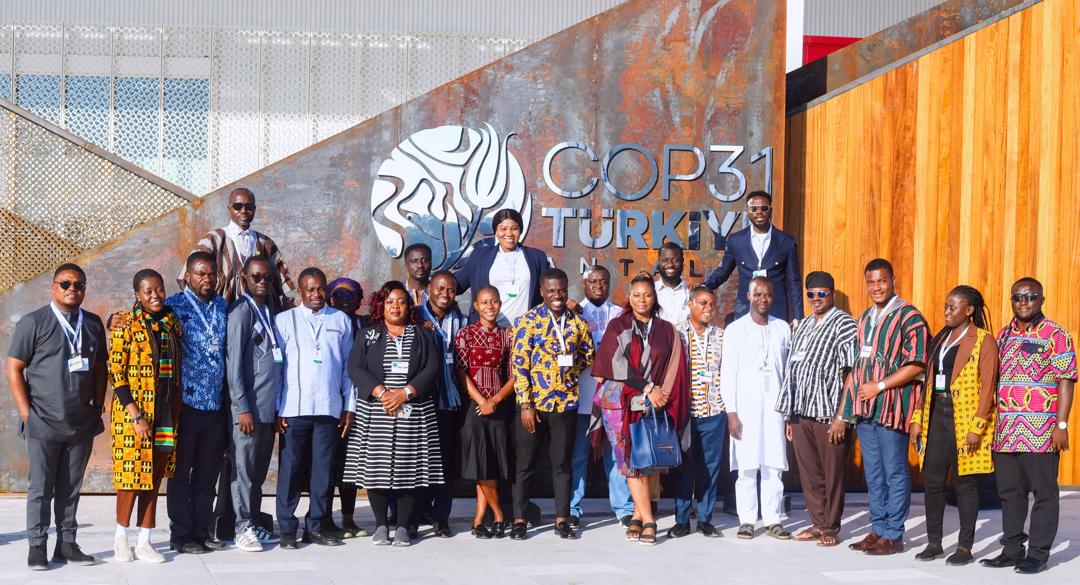
The Jospong Group of Companies has sponsored 21 Ghanaian journalists to cover the 31st United Nations Climate Change Conference (COP31) in Antalya, Turkey, as part of efforts to strengthen environmental journalism and improve public understanding of climate change.
The delegation comprises journalists, editors, programme hosts, presenters, bloggers and social media influencers from traditional and online media organisations across Ghana.
The conference, which opened on November 9, is scheduled to end on November 20, 2026.
Executive Chairman of the Jospong Group, Dr Joseph Siaw Agyepong, financed the journalists' flights, accommodation, local transportation and remuneration to enable them to participate in the global climate discussions.
The sponsorship marks the fourth consecutive year the Group has supported Ghanaian journalists to attend the international climate conference, following similar initiatives at COP28 in Dubai, COP29 in Azerbaijan and COP30 in Belém, Brazil.
The initiative is intended to expose Ghanaian media practitioners to international climate negotiations, emerging environmental issues, policy developments and practical interventions.
Through direct participation, the journalists are expected to deepen their understanding of climate finance, carbon markets, waste management, renewable energy and other issues shaping the global response to climate change.
The knowledge gained is also expected to enrich environmental reporting and public education in Ghana, particularly on the country's climate challenges and green transition agenda.
Some of the beneficiaries said the sponsorship had provided an opportunity to report directly from the centre of global climate discussions, engage policymakers and examine how international commitments translate into practical action.
Alexander Adi, Assistant Manager for News at GBC News, described the sponsorship as an important opportunity for Ghanaian journalists to participate in negotiations they might otherwise have struggled to cover directly.
“Without that support, many Ghanaian journalists simply would not be here in Antalya to witness these negotiations, to pose the tough questions, and to tell Ghana’s climate story in our own voice rather than relying on foreign wire services to tell it for us,” he said.
However, he stressed that financial support from the private sector should not compromise the independence of journalists.
“Sponsorship does not equate to endorsement. My primary obligation remains to the public: to report accurately, to hold all actors, including sponsors, the government, and private corporations, accountable, and to distinguish a company’s climate commitments from verified facts on the ground,” he added.
Mr Adi said his participation in COP31 had broadened his understanding of climate finance, carbon markets, waste-to-energy projects and the role of local authorities in climate action.
He said the experience would inform his future reporting, particularly in explaining how global climate decisions affect Ghanaian communities, agriculture and urban development.
Kwame Appiah Kubi of Media General said the sponsorship had given journalists an opportunity to improve their professional competence through direct exposure to the science, policies and practical responses shaping the global climate agenda.
He explained that interactions with international experts and observations of how different countries were responding to climate change would help journalists report environmental issues more accurately and make complex subjects easier for audiences to understand.
Mr Appiah Kubi added that the experience would enable Ghanaian reporters to assess Ghana's climate response against international developments and introduce relevant lessons into national discussions.
For Kofi Ahovi of Business Week, the initiative represents an investment in journalism and the ability of media practitioners to contribute meaningfully to climate awareness.
He said direct engagement with policymakers, scientists, business leaders and development partners at COP31 had provided access to perspectives and information that would strengthen coverage of climate change, waste management and green investment.
Mr Ahovi also emphasised the importance of maintaining professional standards, verifying claims and holding relevant stakeholders accountable.
According to him, the success of the sponsorship should ultimately be measured by the quality of the journalists' reporting and the extent to which their work informs public debate and draws attention to practical environmental solutions.
Benedicta Abekah, a radio and television host with Ignite Media, popularly known on air as Adjoah Nhyira, said attending COP31 had strengthened her understanding of the causes of climate change and the need to reduce human activities that contribute to environmental degradation.
She said the exposure had provided a broader perspective on the climate crisis and the importance of communicating environmental issues in ways that audiences could understand and relate to.
The participation of the 21 journalists forms part of the Jospong Group's broader engagement with environmental and climate-related issues, particularly waste management, recycling and the transition towards a circular economy.
At COP31, the Group has also been showcasing aspects of its environmental operations and engaging international stakeholders on potential investments and partnerships to advance sustainable waste management solutions.
The sponsorship is expected to strengthen the capacity of Ghanaian journalists to explain global climate developments and their implications for the country's environmental policies, businesses and communities.

Aikines Anyomi
News
Food
Politics
Technology
About Us
Download Our Mobile App

