
Ghana’s public debt has jumped from $49bn to $65bn, says Amin Adam
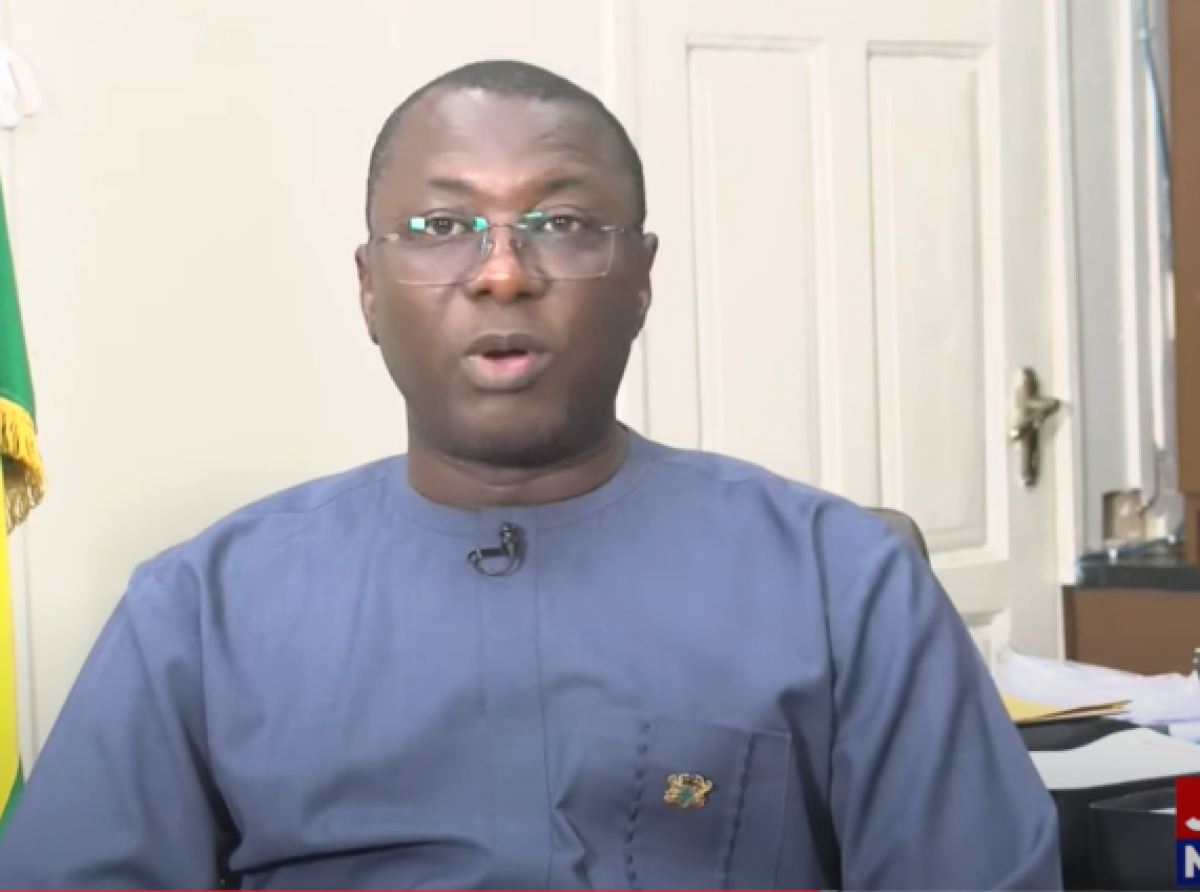
Former Finance Minister Dr Mohammed Amin Adam has accused the current Finance Minister, Dr Cassiel Ato Forson, of engaging in excessive borrowing, claiming that Ghana’s public debt has increased from $49 billion at the end of 2024 to $65 billion as of October 2026.
He argued that the GH¢118 billion increase in the country's debt stock between the end of 2025 and October 2026 could not be explained solely by movements in the exchange rate, insisting that the government had contracted additional loans.
However, Dr Ato Forson has denied claims that he has engaged in heavy borrowing.
Speaking to Evans Mensah in an interview on Monday, Dr Amin Adam challenged the Finance Minister's account of government borrowing and questioned the factors responsible for the increase in the country's debt stock.
“Our debt stock has moved from $49 billion at the end of 2024, when we were leaving government. As of October this year, 2026, the dollar value of our debt is now $65 billion,” he said.
He put the increase at approximately $16 billion and maintained that the Minority had a responsibility to scrutinise the figures and demand explanations from the government.
The former Finance Minister also disputed the explanation that exchange-rate movements were responsible for the increase in Ghana's public debt.
According to him, the country's debt-to-GDP ratio increased from 44 per cent at the end of 2025 to 47.5 per cent in October 2026.
He further claimed that the debt stock had risen by 18 per cent within the 10-month period, questioning how such an increase could occur if the government had not borrowed significantly.
“If the minister is not borrowing, how can your debt stock increase by 18%?” he asked.
Dr Amin Adam acknowledged that debt restructuring and the appreciation of the cedi contributed to a reduction in the debt stock in 2025. However, he rejected the suggestion that subsequent currency depreciation could account for the scale of the increase recorded in 2026.
Dr Amin Adam said the debt stock increased by GH¢118 billion between the end of 2025 and October 2026.
He attributed approximately GH¢30 billion of the increase to the depreciation of the cedi, arguing that the remaining amount pointed to additional borrowing.
“A quarter of that, about GH¢30 billion, is what you can attribute to the depreciation of the cedi. The rest, what do you attribute it to? He borrowed,” he stated.
His comments challenge the government's position on debt accumulation and raise questions about the contribution of new borrowing, exchange-rate movements and other debt-related adjustments to Ghana's public debt figures.
The former Finance Minister also questioned the projected interest payments in the government's 2027 Budget, citing a provision of GH¢61 billion.
He argued that the projected interest bill reflected the growing cost of servicing public debt and supported his claim that the current administration was borrowing heavily.
“This minister is borrowing heavily, and this is why interest payment for 2027 is projected to be GH¢61 billion,” he said.
Dr Amin Adam further compared the projected interest payments with allocations to government development programmes, including the New Economy Programme and the Big Push initiative.
According to him, the GH¢61 billion interest provision exceeds the combined allocations for the two programmes.
Dr Amin Adam also compared the projected interest bill with budgetary allocations to the Ministries responsible for Agriculture, Energy, Tourism, and Trade and Industry.
He said the combined allocations to the four ministries amounted to GH¢34 billion, significantly below the GH¢61 billion projected for interest payments.
The former minister argued that the comparison highlighted the pressure debt-servicing costs could place on government spending, particularly allocations to sectors he described as important for job creation and economic growth.
His comments have renewed debate over Ghana's borrowing levels, debt sustainability and the balance between interest payments and spending on productive sectors of the economy.

Aikines Anyomi

News
Food
Politics
Technology
About Us
Download Our Mobile App

