Mahama: Mob violence will not solve South Africa’s migration crisis
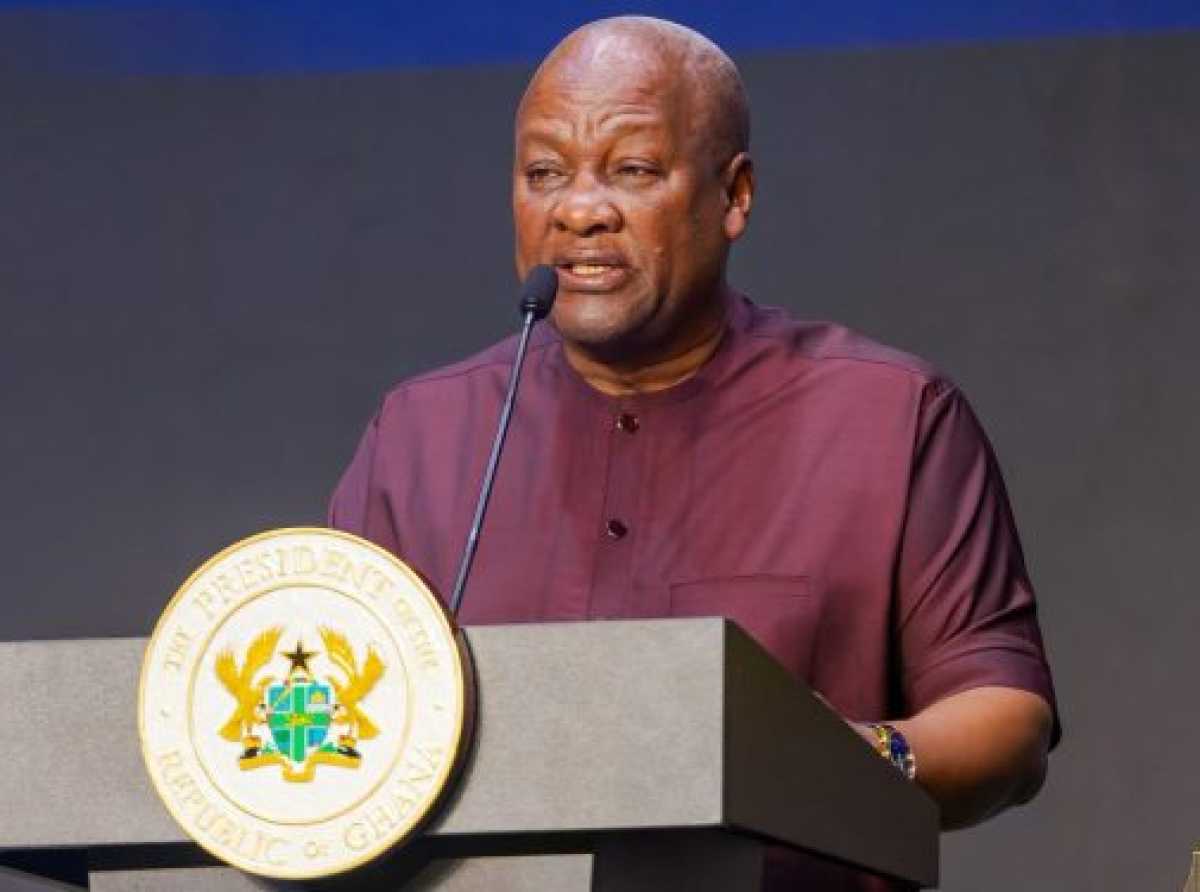
President John Dramani Mahama has condemned attacks on foreigners and mob violence in South Africa, warning that vigilantism and the brutalisation of suspected undocumented migrants will not resolve the country's migration challenges.
He acknowledged South Africa's right to manage its migration concerns but stressed that such efforts must be carried out through lawful processes that respect human rights and the dignity of individuals.
“South Africa has a legitimate right to address its migration crisis. But the challenges of migration will not be solved by vigilantism. They will not be resolved by marauding crowds, searching for and brutalising people believed to be illegal immigrants,” he said.
President Mahama made the remarks on Wednesday, November 18, 2026, while speaking at the 2026 Metropolis International Migration Conference in Accra.
Addressing policymakers, researchers and migration practitioners, he outlined five approaches African countries should pursue to make migration safer, more orderly and beneficial to the continent.
The President's first proposal was for African countries to adopt migration policies that reflect the realities of movement within the continent.
He urged governments to implement existing continental and regional commitments, including the African Union Free Movement Protocol and Agenda 2063.
According to him, there remains a significant gap between the commitments African governments make on free movement and the actual experiences of travellers at border posts.
He called for stronger border governance that balances national security with the need to facilitate lawful movement across countries.
“Good border governance must deliver on both, keep a nation secure, but at the same time facilitate easy travel of citizens,” he said.
His second proposal focused on stronger cooperation among African countries and their international partners.
President Mahama said migration partnerships should be guided by dignity, reciprocity and shared responsibility.
He identified border management, human trafficking, migrant smuggling, return and reintegration as areas requiring coordinated international action.
However, he cautioned against partnerships that focus mainly on preventing Africans from moving across borders, arguing that cooperation should address the broader causes and realities of migration.
The third approach involved expanding regular migration opportunities for Africans, including pathways to work and study abroad.
He also called for stronger skills partnerships, investment and development initiatives that would allow migration to contribute to economic growth and improve opportunities for people across the continent.
Such arrangements, he suggested, should create mutually beneficial outcomes for African countries and their international partners.
The President further called for African countries to engage international partners as equals in discussions and agreements on migration.
He said countries must recognise one another's interests and shared responsibilities when developing policies to manage cross-border movement.
His position emphasised the need for migration arrangements that respect the rights and interests of migrants while addressing the legitimate concerns of destination and transit countries.
Mahama's fifth proposal was to connect the free movement of people with trade, employment and continental economic integration, particularly through the African Continental Free Trade Area (AfCFTA).
He said Ghana intended to demonstrate leadership by translating its commitments to regional mobility into practical action.
“The promise of the African Continental Free Trade Area is enormous. If fully implemented, it has the potential to lift millions of Africans out of extreme poverty,” he said.
“But a continental market cannot fulfil its promise if goods are able to move more easily than the people who produce them.”
He argued that migration governance should support economic integration and create opportunities for Africans rather than treating migration primarily as a security threat.
The 2026 Metropolis International Migration Conference is taking place at the University of Ghana from November 18 to 20.
The three-day event has brought together researchers, policymakers, government officials and migration practitioners to discuss African mobility and migration governance.
The discussions are expected to examine migration policies, regional cooperation and ways of making human mobility safer and more beneficial to African countries.

Aikines Anyomi
News
Food
Politics
Technology
About Us
Download Our Mobile App

