
Africa must strengthen security through innovation and cooperation – Muntaka
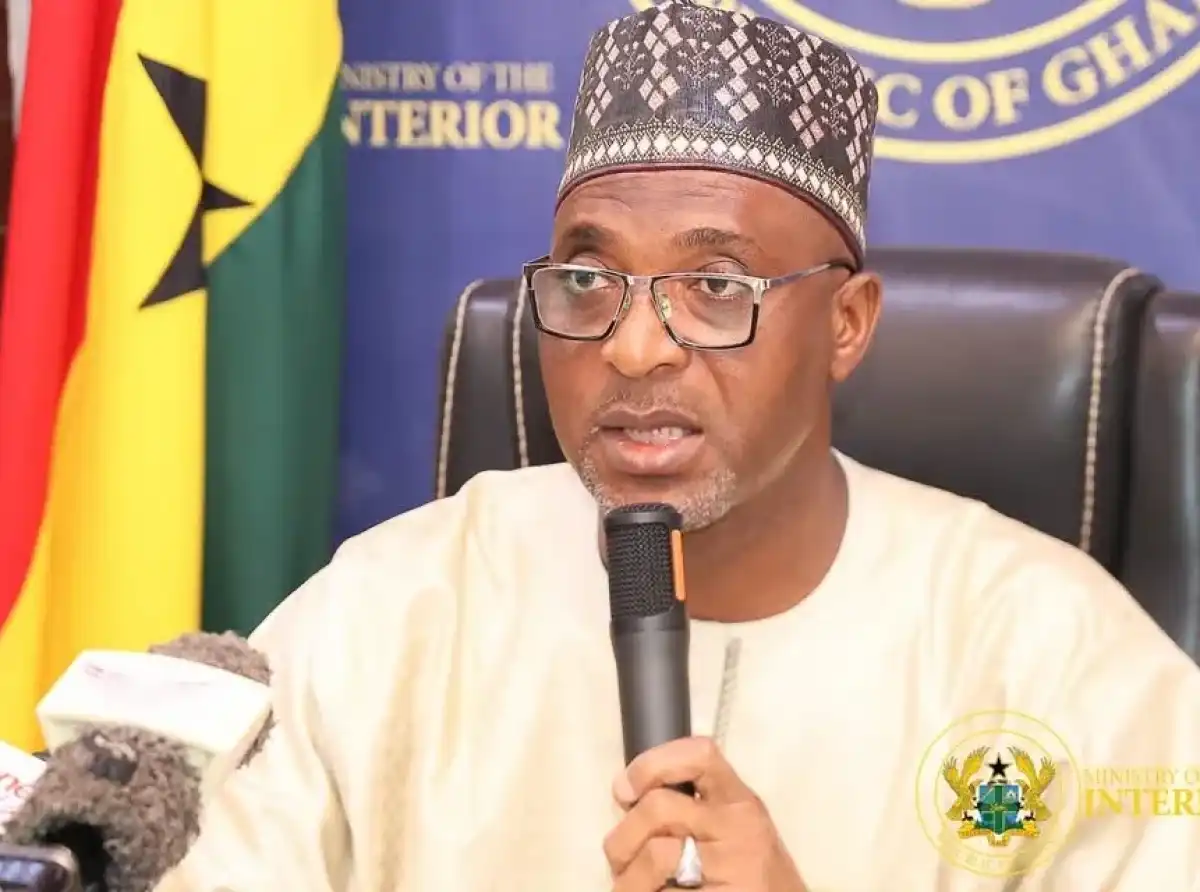
African governments have been urged to move beyond dialogue and translate commitments into concrete action to address the continent's growing security challenges following the conclusion of the 13th Africa Security Symposium (ASEC 2026) in Accra.
Closing the three-day conference at the Labadi Beach Hotel, the Minister for the Interior, Muntaka Mohammed-Mubarak, stressed that the real success of the symposium would not be judged by the quality of discussions but by the practical steps taken by governments, security agencies and international partners after the event.
"The true test of this symposium will not be what we discussed over these three days, but what we do next," the Minister said.
Held under the theme "Strengthening African Security Through Innovation and Inclusion," the 13th edition of the Africa Security Symposium attracted 415 delegates from 29 African countries, together with technology companies, defence experts and development partners from Europe, Asia and the Americas.
The annual gathering provided a platform for policymakers, security professionals, researchers and industry leaders to exchange ideas, share best practices and explore innovative solutions to emerging security threats confronting Africa.
ASEC has grown into one of the continent's premier defence and security forums, promoting collaboration between governments, private sector innovators and international partners in the pursuit of sustainable peace and stability.
Addressing participants during the closing ceremony, Mr. Muntaka emphasised that while international partnerships remain important, African countries must continue to take ownership of the continent's peace and security agenda.
According to him, addressing modern security threats requires coordinated leadership, practical solutions and sustained cooperation among African states.
"Africa's peace and security challenges require African leadership, but they also require trusted partnerships, practical solutions, and sustained cooperation across borders, sectors, and institutions."
He noted that strengthening regional cooperation would improve the ability of African countries to respond effectively to evolving security threats that increasingly transcend national borders.
Throughout the three-day symposium, delegates examined a broad range of issues affecting security across the continent, including:
- Counterterrorism and violent extremism
- Border security and migration management
- Transnational organised crime
- Cybersecurity and cyber resilience
- Climate-related security threats
- Health security
- Peace support operations
- Aviation security
- Innovation and emerging security technologies
Participants also explored how technological innovation, intelligence sharing and stronger institutional collaboration can enhance Africa's capacity to prevent and respond to complex security challenges.
The Interior Minister urged governments and stakeholders to ensure that innovations discussed during the symposium are translated into practical solutions that improve public safety and strengthen national institutions.
He called on participants to sustain the partnerships established during the conference and continue working together to build resilient security systems capable of responding to future threats.
"Let us leave Accra with renewed commitment. Let us continue to build African security frameworks that are responsive, inclusive, and future-ready. Let us ensure that innovation serves people, that technology strengthens institutions, and that cooperation leads to tangible improvements in peace, stability, and human security."
The Africa Security Symposium has become one of the continent's leading platforms for dialogue on defence, public safety and security governance.
By bringing together governments, security institutions, technology providers, academics and international partners, the forum seeks to develop practical and sustainable responses to Africa's evolving security environment.
Organisers say the outcomes of ASEC 2026 are expected to strengthen regional collaboration, promote innovation in security management and support efforts to build safer, more resilient societies across Africa.

Aikines Anyomi

News
Food
Politics
Technology
About Us
Download Our Mobile App

