
Every agricultural constituency has received 1,500 bags of fertiliser to support farmers – Agric Minister
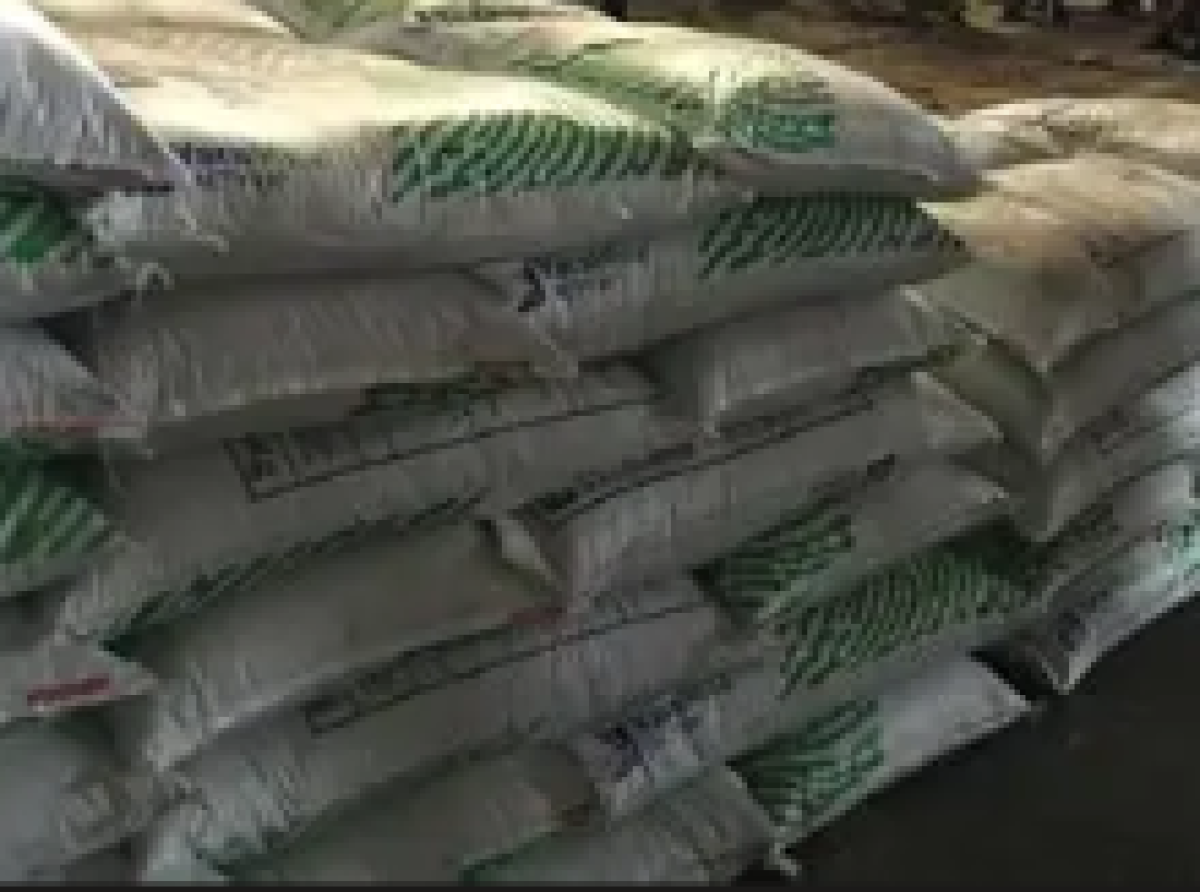
The Minister for Food and Agriculture, Eric Opoku, has announced that the government has distributed 1,500 bags of fertiliser to every agricultural constituency across Ghana as part of efforts to boost food production and ensure farmers have timely access to essential farming inputs ahead of the major planting season.
Speaking before Parliament's Assurance Committee on Thursday, July 9, the Minister said the nationwide fertiliser distribution exercise forms part of the government's broader strategy to strengthen agricultural productivity, improve food security and support the implementation of the flagship Feed Ghana Programme.
Mr. Opoku disclosed that every constituency engaged in agricultural activities has been allocated 1,500 bags of fertiliser, describing the initiative as one of the largest government interventions aimed at supporting farmers across the country.
He stressed that the allocation was made directly to constituencies rather than districts to ensure wider accessibility for farming communities.
"We have recently distributed fertilisers to all the agricultural constituencies in this country. Every constituency has been given 1,500. It's not even a district. Every constituency."
The Minister explained that the fertiliser distribution is intended to ensure farmers receive inputs on time to maximise crop production during the farming season.
While acknowledging that some constituencies are yet to receive their consignments, Mr. Opoku attributed the delays to ongoing logistical arrangements by contractors responsible for transporting the fertiliser.
He assured Parliament that distribution is progressing steadily and that all outstanding deliveries are expected to be completed within the coming week.
"Those who have not received — maybe the contractors are still supplying, so they will receive theirs."
He expressed confidence that every designated area would receive its allocation by the end of next week.
"It is believed that by the close of next week, every district will have received the quantities we have assigned to them."
According to the Minister, the Ministry is closely monitoring the exercise to ensure timely and equitable distribution nationwide.
Mr. Opoku also announced a significant increase in government support for smallholder and peasant farmers following concerns that many were excluded from previous fertiliser distribution programmes.
He explained that an assessment conducted after last year's exercise revealed that traditional distribution channels failed to adequately reach many small-scale farmers who constitute the majority of Ghana's agricultural workforce.
"Last year we had a report that after using the traditional routes for the distribution of the fertilisers, some of the peasant farmers, smallholder farmers, were neglected."
Recognising the importance of smallholder farmers to national food production, the government introduced a special intervention specifically targeted at the group.
"They were not served. So we said if that is the case, because they constitute the majority of our farmer population, let's have a special dispensation for them."
The Minister revealed that the Peasant Farmers Association received 15,000 bags of fertiliser under the special arrangement last year.
This year, the allocation has been increased significantly to 40,000 bags, reflecting the government's commitment to supporting small-scale farmers and expanding agricultural production.
"Last year we gave the Peasant Farmers Association 15,000 bags. And this year we have increased that to 40,000 bags for them."
Mr. Opoku clarified that the additional 40,000 bags allocated to the association are separate from the fertiliser distributed to agricultural constituencies.
The additional allocation, he noted, is specifically intended to ensure that vulnerable and smallholder farmers benefit directly from government support.
The Minister said the fertiliser distribution programme forms part of broader government efforts to improve access to agricultural inputs, increase farm productivity and strengthen Ghana's food security.
He noted that ensuring equitable access to fertiliser is essential for increasing crop yields, reducing production costs and improving the livelihoods of farmers across the country.
Government believes the intervention will also contribute to the success of the Feed Ghana Programme, which seeks to modernise agriculture, promote commercial farming, reduce food imports and create sustainable employment opportunities within the agricultural sector.
With nationwide fertiliser distribution nearing completion and additional support being directed to smallholder farmers, the Ministry expects improved agricultural output and stronger participation from farming communities during this year's planting season.

Aikines Anyomi

News
Food
Politics
Technology
About Us
Download Our Mobile App

