
GBA must keep its distance from political convenience - Srem-Sai
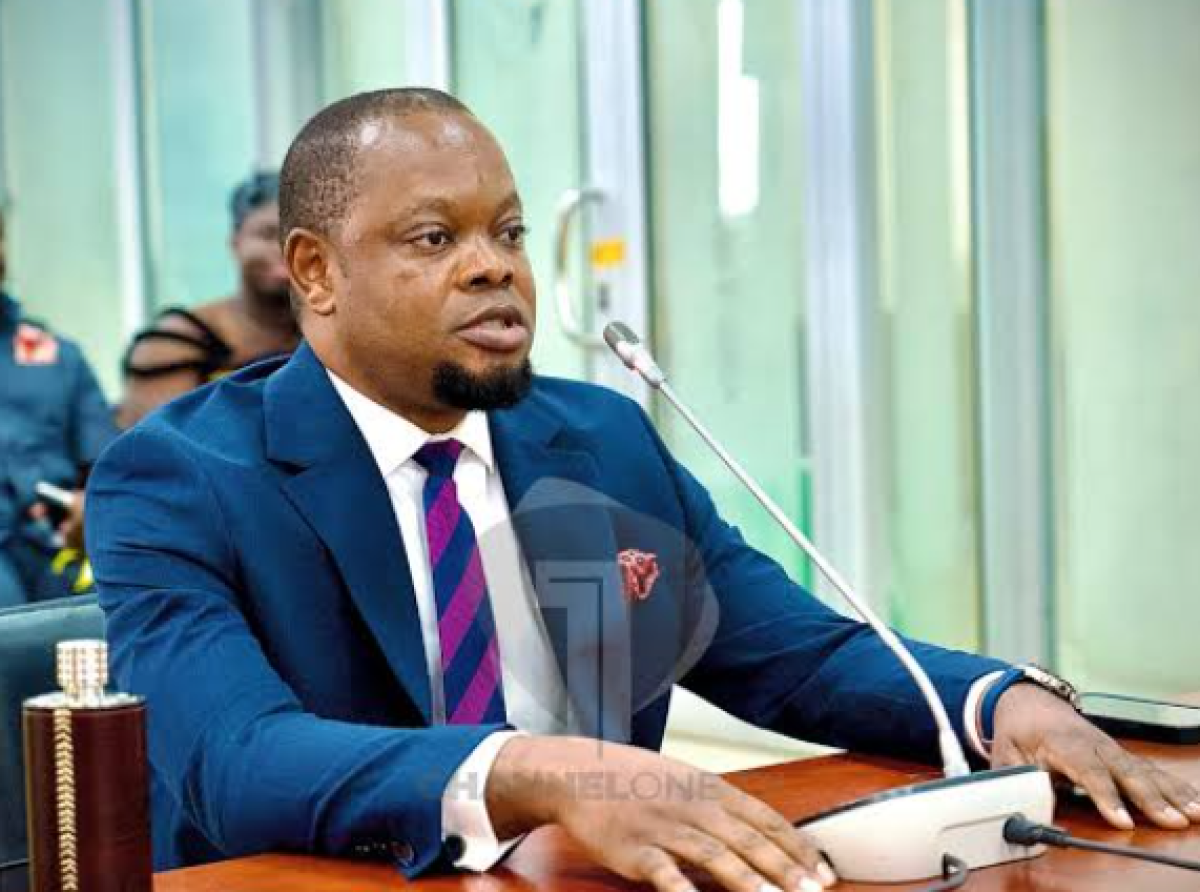
Deputy Attorney-General and Minister for Justice, Dr Justice Srem-Sai, has urged the Ghana Bar Association (GBA) to strengthen its independence from political parties and the corridors of political power while remaining firmly focused on defending the public interest.
He expressed concern that the legal profession’s traditional responsibility to advocate for the public interest was increasingly being overshadowed by what he described as a growing interest among some leaders of the Bar in gaining access to national political power.
Speaking at the opening of the 2026 Annual Conference of the Ghana Bar Association in Ada on September 14, Dr Srem-Sai said such perceptions risk undermining public confidence in the association and creating the impression that the Bar represents particular political interests rather than the broader public good.
He said the GBA was increasingly being perceived by sections of the public as a mouthpiece for particular political interests.
The decline in the persons of the Bar’s sacred duties to advocate for genuine public interest on one hand and, on the other, the rise in the leadership’s interest over the years in obtaining access to the corridors of national political power, this shift appears unfortunately to be fast-converting the Bar’s sacred public duty into one of persistent political convenience where the Bar is often seen and described by the public as a mouthpiece of a particular political interest rather than of the public interest as a whole,” he said.
Dr Srem-Sai stressed that the authority and credibility of the Ghana Bar Association depended on its independence from the state, political parties and individuals occupying high public office.
I too strongly believe that the Bar’s authority rests on its independence from the State, from political parties and yes, from the office which I occupy,” he said.
The Deputy Attorney-General clarified that his call for greater independence should not be interpreted as an appeal for the Bar to withdraw from national discourse.
Rather, he advocated for a professional body that remains visible, principled and actively engaged in matters affecting the public while maintaining a clear distance from political convenience.
What I asked for in Wa and still ask for here today is not a Bar that is silent or hidden but a Bar that is visible and present, not a Bar that flips on principles but a Bar that is consistent,” he said.
He said the GBA should not distance itself from public discourse but should instead maintain its distance from political convenience and the corridors of national political power.
Not a Bar that keeps its distance from public discourse but one that keeps its distance from political convenience, from the corridors of national political power.”
Dr Srem-Sai said his position was informed by his experience with legal associations in other countries, particularly within the Commonwealth, where professional bodies maintain a strong degree of independence from political authorities.
These observations of mine are not borne out of a cursory piece of luxury, they are borne out of my deep experience in the affairs of Bars in other countries and within the Commonwealth whereby Associations are fiercely professional and keep a distance from the corridors of political power,” he said.
However, he cautioned that calls for an independent legal profession must be accompanied by corresponding responsibilities on the part of the state.
According to him, the independence of the Bar cannot be considered in isolation from the obligation of the state to respect and protect the professional space necessary for the legal profession to operate independently.
These experiences taught me one thing, it is that the demand for independence must not be isolated from proper context, the demand for the Bar’s independence must come with a demand on the state itself for responsibility,” he said.
His remarks come as the Ghana Bar Association holds its 2026 Annual Conference in Ada, with discussions expected to focus on issues affecting the legal profession, governance, justice and the wider public interest.

Aikines Anyomi

News
Food
Politics
Technology
About Us
Download Our Mobile App

