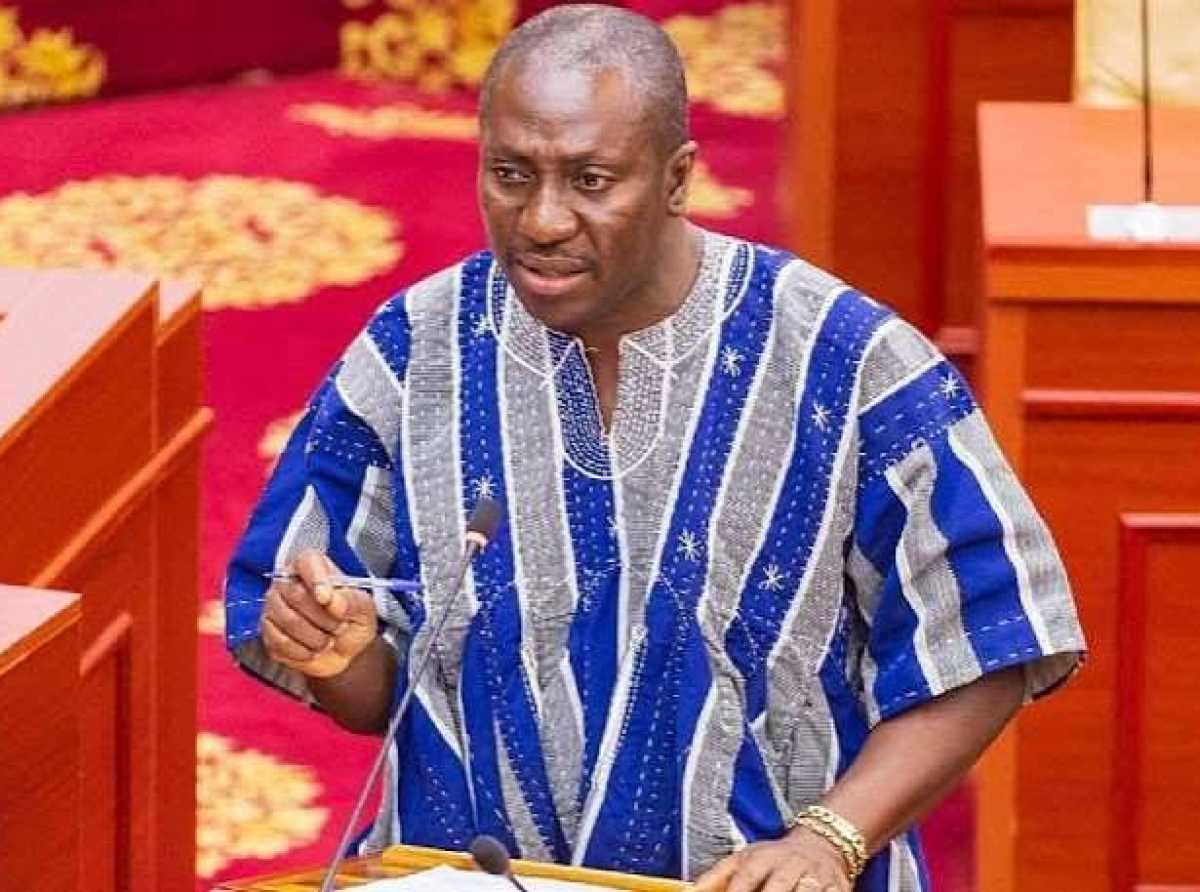
Minority Leader Alexander Afenyo-Markin has warned that the operations of the Ghana Gold Board (GoldBod) could potentially develop into a major financial scandal, urging the institution's management to exercise caution in its activities.
The Effutu Member of Parliament raised concerns about aspects of GoldBod's operations that he suggested were not fully known to the public, cautioning the institution against becoming complacent.
“GoldBod is a very big scandal awaiting us. There are things we know that they don’t know. They should be careful,” Mr Afenyo-Markin warned.
His comments come amid renewed scrutiny of Ghana's domestic gold purchasing programme following revelations contained in a recent International Monetary Fund (IMF) report.
The IMF's Country Report No. 26/213 indicates that losses associated with the Bank of Ghana's Domestic Gold Purchase Programme in 2025 were significantly higher than the US$214 million figure previously reported.
According to the IMF, the substantial expansion of the programme during 2025 resulted in losses exceeding US$1.7 billion, equivalent to approximately 1.5% of Ghana's Gross Domestic Product (GDP).
The scale of the reported losses has intensified debate over the financial implications of the programme and the management of Ghana's gold purchasing operations.
The Domestic Gold Purchase Programme, implemented through GoldBod, was established as part of efforts to purchase gold from local producers and support Ghana's gold reserves and foreign exchange management.
Mr Afenyo-Markin's latest comments reflect growing scrutiny of GoldBod by the Minority in Parliament.
The Minority Leader suggested that there could be information relating to the institution's operations that had not yet become public, although he did not provide specific details to substantiate his warning.
He therefore urged GoldBod's management to remain cautious and avoid taking its current position or operations for granted.
The warning comes at a time when the institution has assumed a prominent role in Ghana's gold trading and foreign exchange strategy, making its financial performance and governance increasingly important to the broader economy.
GoldBod has become a central component of the government's strategy for strengthening Ghana's gold sector and improving the country's foreign exchange position.
However, the reported losses associated with the Domestic Gold Purchase Programme have prompted questions about the cost of implementing the initiative and the financial risks involved.
The IMF's disclosure of losses exceeding US$1.7 billion has also intensified calls for greater transparency and scrutiny of the programme.
The Minority is expected to continue examining GoldBod's operations and the financial arrangements underpinning the domestic gold purchasing programme as part of its oversight responsibilities.
For GoldBod, the latest concerns highlight the need for strong financial controls, transparency and accountability as it continues to play a major role in Ghana's gold economy.

Aikines Anyomi

News
Food
Politics
Technology
About Us
Download Our Mobile App

