
Mahama orders NADMO to map restricted lands to curb flooding risks in Accra
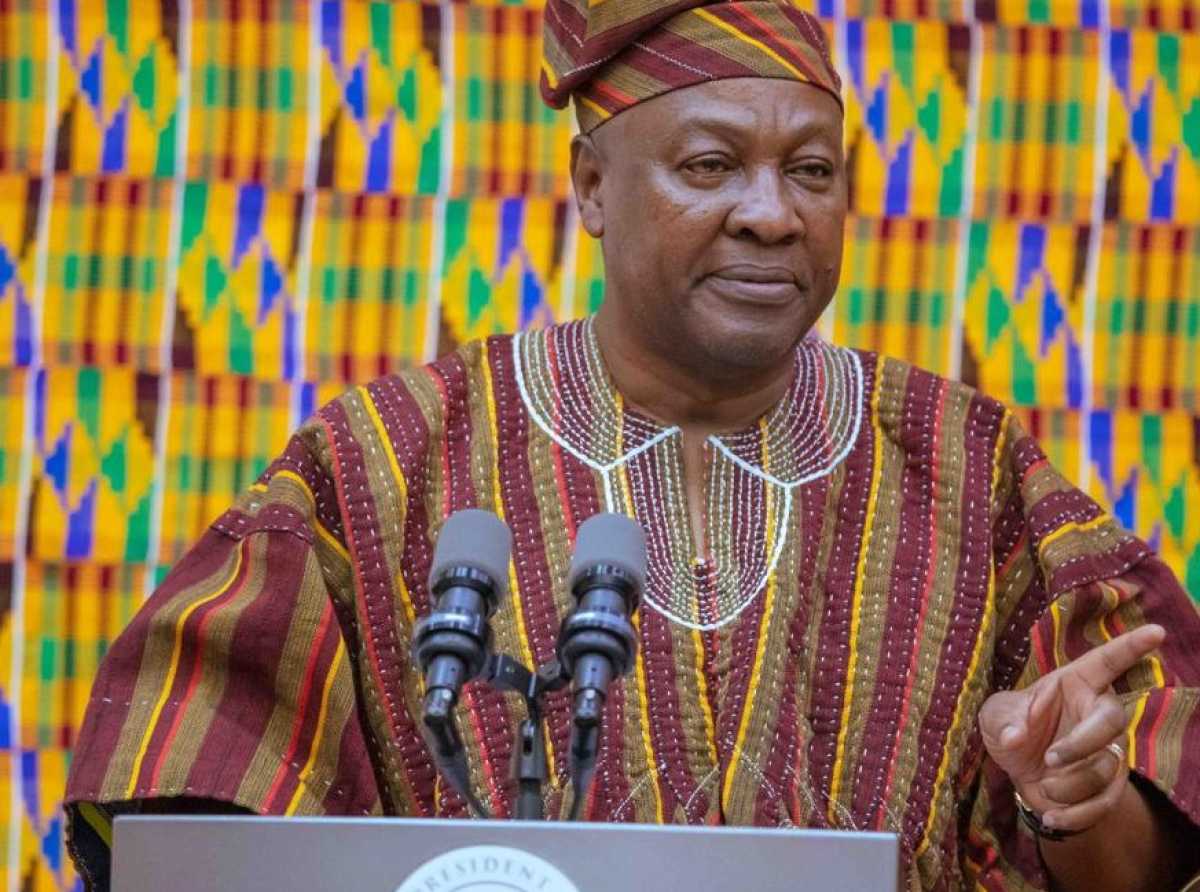
President John Dramani Mahama has directed the National Disaster Management Organisation (NADMO) and a national task force to undertake a comprehensive assessment of restricted and protected lands across Accra as part of renewed efforts to address the capital's persistent flooding challenges.
The directive forms part of a broader government strategy aimed at improving urban planning enforcement, reducing disaster risks, and safeguarding lives and property in flood-prone communities.
Speaking on the initiative, President Mahama stressed the need for decisive action to tackle illegal developments and encroachments on waterways, wetlands, and other protected areas that have contributed significantly to recurring floods in the city.
According to him, the assessment will help authorities identify unauthorised structures and other developments situated on restricted lands, paving the way for stronger enforcement measures where necessary.
The President indicated that some of the actions required to address the problem may be difficult and could attract criticism from affected individuals and communities. However, he maintained that government has a responsibility to prioritise public safety and prevent avoidable disasters.
"I hope when we do that [possible demolition], all Ghanaians will understand that it is the government's business to protect the safety of all of us," he stated.
The planned exercise comes amid growing concerns over flooding in Accra, where rapid urbanisation, poor drainage systems, indiscriminate waste disposal, and the construction of buildings on waterways have repeatedly been cited as major causes of flood disasters.
Government officials have consistently warned that continued encroachment on wetlands, Ramsar sites, drainage channels, and flood-prone areas undermines efforts to build a resilient and sustainable city.
The latest directive also follows recent moves by authorities to identify unsafe structures and remove developments considered a threat to public safety.
President Mahama emphasised that while enforcement actions may be unpopular in some quarters, they are necessary to protect residents, preserve critical environmental zones, and strengthen Accra's long-term resilience against climate-related disasters.
The assessment by NADMO and the national task force is expected to inform future policy decisions and guide interventions aimed at reducing flood risks, improving urban management, and preventing the loss of lives and property during periods of heavy rainfall.

Aikines Anyomi

News
Food
Politics
Technology
About Us
Download Our Mobile App

