Parliament approves $300m World Bank loan for secondary education transformation project
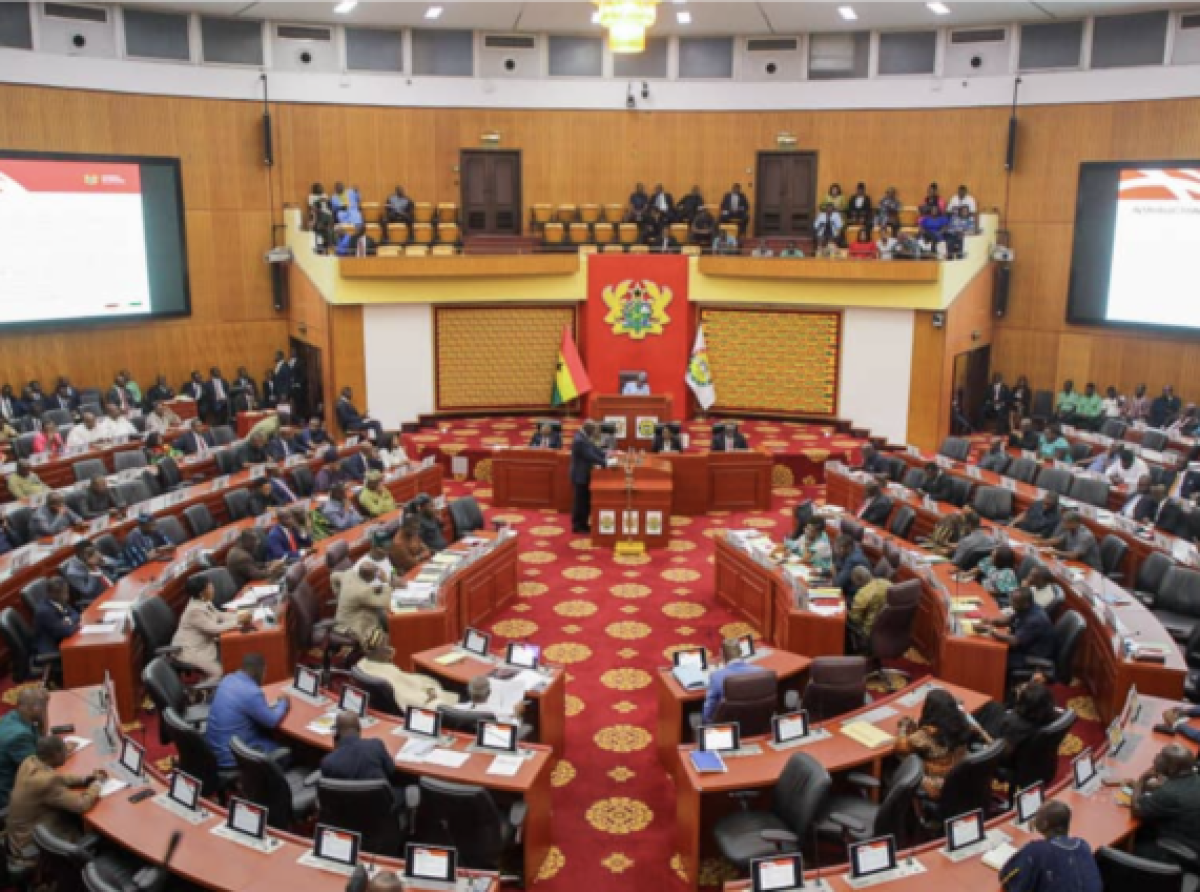
Parliament has approved a US$300 million credit facility from the International Development Association (IDA) of the World Bank Group to support a major transformation of Ghana's secondary education sector through the Secondary Education Transformation for Access, Relevance and Results for Jobs (STARR-J) Project.
The financing is expected to significantly expand secondary school infrastructure, improve teaching quality, strengthen Technical and Vocational Education and Training (TVET), and support the government's efforts to permanently eliminate the double-track system under the Free Senior High School (Free SHS) programme.
The Credit Facility Agreement, valued at US$300 million, is between the Government of Ghana, represented by the Ministry of Finance, and the International Development Association (IDA) of the World Bank Group.
Parliament approved the agreement on Tuesday, July 21, following recommendations by the Finance Committee.
In addition to the World Bank financing, the Government of Ghana will contribute US$31 million in counterpart funding, which will be released in phases throughout the implementation of the project.
The agreement was first presented to Parliament on Thursday, July 16, 2026, in accordance with Article 181(2) of the 1992 Constitution, before being referred to the Finance Committee for detailed consideration under Order 226 of Parliament's Standing Orders.
The STARR-J Project is built around four key components aimed at improving access, quality and relevance in secondary education.
1. Expanding Access to Secondary Education
The first component focuses on increasing equitable access through major investments in school infrastructure.
Planned interventions include:
- Construction of 10 new secondary schools.
- Rehabilitation and expansion of existing secondary schools.
- Upgrading educational facilities nationwide.
- Completion of abandoned E-Block Community Day Senior High Schools.
- Expansion of infrastructure to eliminate the double-track system.
These investments are expected to create additional classroom space and improve learning conditions across the country.
The second component seeks to improve teaching and learning outcomes while preparing students for employment.
Key interventions include:
- Teacher professional development programmes.
- Curriculum reforms.
- Digital skills training.
- Entrepreneurship education.
- Stronger partnerships between schools and industry.
- Enhanced Technical and Vocational Education and Training (TVET).
The reforms are intended to ensure graduates possess practical skills required in the modern labour market.
The third component focuses on improving governance and accountability within Ghana's education sector.
It includes:
- Strengthening Education Management Information Systems (EMIS).
- Enhanced project monitoring and evaluation.
- Improved communication strategies.
- Gender-based violence prevention initiatives.
- Performance-based reforms.
- Evidence-based policy and decision-making.
Government believes these measures will improve efficiency and accountability in the education system.
The final component establishes a Contingent Emergency Response Component (CERC) to enable rapid mobilisation of resources during eligible emergencies that could affect the education sector.
This mechanism is designed to improve the sector's resilience and ensure continuity of education during unforeseen crises.
A central objective of the STARR-J Project is to permanently eliminate the double-track system introduced under the Free SHS programme to address limited school capacity.
By constructing new schools, expanding existing facilities and completing abandoned infrastructure projects, the government aims to provide sufficient classroom space to accommodate all qualified students under a single-track academic calendar.
The project also seeks to improve the overall quality, equity and relevance of secondary education through targeted investments in infrastructure, teaching quality and workforce readiness.
After examining the agreement, Parliament's Finance Committee recommended that the House approve the facility.
The Committee concluded that the project would make a significant contribution to improving Ghana's secondary education system while supporting national efforts to expand access and prepare young people for employment.
With parliamentary approval secured, implementation of the STARR-J Project is expected to commence following the fulfilment of all conditions attached to the financing agreement.
Once implemented, the STARR-J Project is expected to:
- Eliminate the double-track system.
- Increase access to quality secondary education.
- Construct 10 new secondary schools.
- Complete abandoned E-Block schools.
- Upgrade 37 Senior High Technical Schools.
- Improve teacher capacity.
- Expand digital and entrepreneurship education.
- Strengthen TVET programmes.
- Improve education management systems.
- Better prepare students for employment and economic opportunities.
The project represents one of the largest recent investments in Ghana's secondary education sector and is expected to play a key role in improving educational outcomes and supporting national human capital development.

Aikines Anyomi

News
Food
Politics
Technology
About Us
Download Our Mobile App

