NPP cannot win cocaine debate in Ghana – Rockson-Nelson Dafeamekpor writes
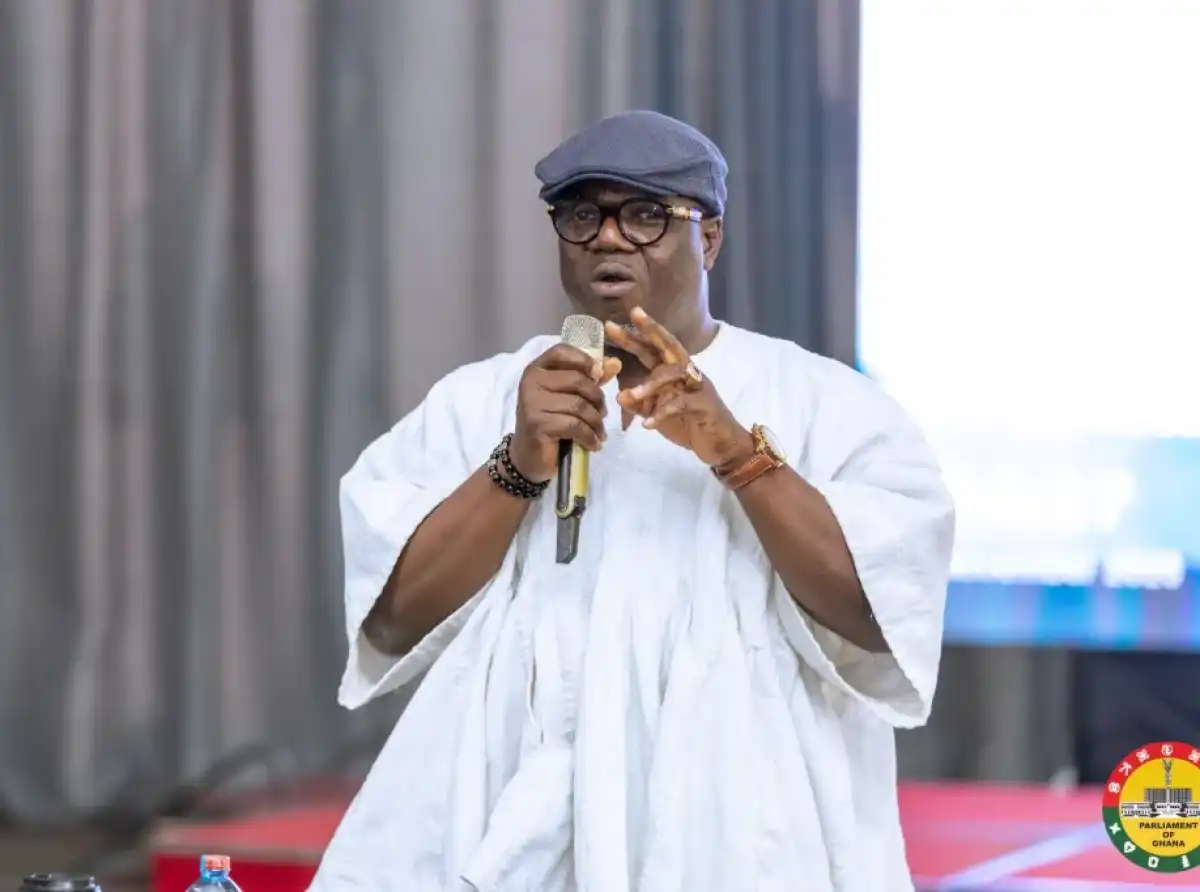
Majority Chief Whip and South Dayi MP, Rockson-Nelson Dafeamekpor, has called for a national approach to Ghana’s fight against drug trafficking, arguing that the country’s narcotics challenges predate the current political administration.
In a social media post, Mr Dafeamekpor listed a series of reported drug seizures and narcotics-related cases dating from 2008 to 2024 as part of his response to the ongoing political debate over drug trafficking in Ghana.
He cited the seizure of nearly 399kg of cocaine at Nsawam in May 2008 as one of the major historical cases. Contemporary reports from the Ghana News Agency and other sources indicate that police intercepted a vehicle carrying 399kg of suspected cocaine that had reportedly travelled from Guinea through Kumasi. Three people were arrested and subsequently prosecuted.
In 2010, the three accused persons were convicted and sentenced to 15 years’ imprisonment each after being found guilty in connection with the cocaine haul.
Mr Dafeamekpor also referred to several cases recorded between 2017 and 2024, including reported seizures of heroin and cocaine at Kotoka International Airport (KIA), Ghana Post and other locations.
Among the cases he listed was a 2017 heroin-related arrest involving a Ghanaian passenger at KIA, as well as a separate seizure of approximately 10.6kg of heroin that year. He also cited a reported 56kg cocaine seizure at Ghana Post in January 2018 involving six Ghanaians. These specific figures and circumstances should be understood as claims contained in his account unless independently confirmed by official case records.
He further referenced a 2019 case involving the seizure of US$1.44 million and €255,000 from a Lebanese national whom he alleged was involved in narco-terrorism. He claimed that the funds were subsequently released following intervention by a then Deputy Attorney-General and another political figure who is also a lawyer.
The MP also mentioned a December 2023 cocaine case in Belgium involving a Ghanaian, as well as allegations surrounding two private jets that he claimed were used to transport a large quantity of cocaine to Ghana.
Those claims about the private jets and the alleged 45-tonne cocaine shipment require independent verification and should not be treated as established facts without supporting evidence from law-enforcement or judicial records.
Mr Dafeamekpor also cited a March 2024 case involving foreign nationals and heroin, along with a June 2024 seizure of about 166kg of cocaine at KIA involving two British nationals.
The 166kg cocaine seizure is independently documented. Ghanaian authorities said the two British nationals were arrested in June 2024 while allegedly attempting to transport the cocaine to London in six suitcases.
He further referred to a reported 76kg cocaine seizure at a DHL facility at KIA in July 2024.
US had previously identified Ghana as drug transit point
In making his broader argument, Mr Dafeamekpor pointed to assessments by the United States government dating back more than a decade.
A 2009 U.S. Department of State report described Ghana as a transshipment point for illegal drugs, particularly cocaine from South America and heroin from Afghanistan and Pakistan. It said Europe was the main destination, while drugs also moved through Accra’s Kotoka International Airport to the United States.
The report also highlighted corruption, limited resources and porous borders as challenges to drug interdiction, while noting that authorities had greater difficulty pursuing senior members of trafficking organisations.
A separate 2008 U.S. State Department narcotics report similarly described Ghana as a significant transshipment point for cocaine and heroin, identifying KIA, Ghana’s ports and some border crossings as areas exploited by traffickers.
The 2009 report specifically documented the 399kg cocaine seizure near Nsawam, stating that the vehicle had originated in Conakry, Guinea, and that the two Ghanaian and Togolese drivers were arrested.
Against this background, Mr Dafeamekpor argued that the narcotics problem should not be reduced to partisan political exchanges.
“Let’s stop the politics and fight the drug menace as a nation,” he said.
He further argued that Ghana’s description as a drug-transit country is not a development unique to one political administration, pointing to U.S. assessments made during the tenure of an NPP government in 2008.
The broader record shows that Ghana’s drug-trafficking challenge has persisted across successive administrations. A later U.S. assessment also continued to describe Ghana as a transit and destination point for illicit drugs originating from Asia and South America.
The issue therefore continues to raise questions about border security, airport and port surveillance, international cooperation, law-enforcement capacity, prosecution of major trafficking networks and the prevention of drug abuse within Ghana.
Mr Dafeamekpor’s intervention comes amid renewed political debate over whether successive governments have done enough to prevent Ghana from being used as a transit point for narcotics.

Aikines Anyomi

News
Food
Politics
Technology
About Us
Download Our Mobile App

