Ghana’s domestic debt increased by GH¢24bn to GH¢333.8bn in December 2025
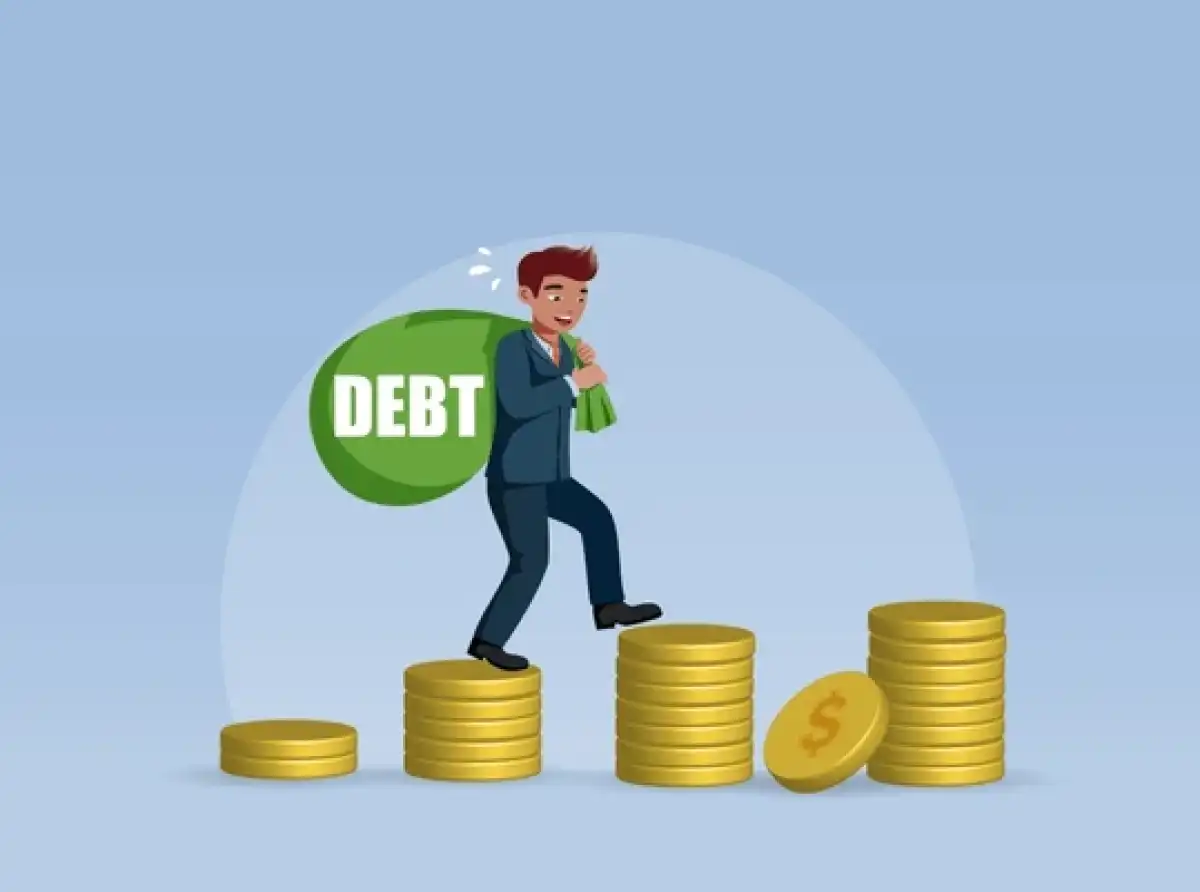
Ghana’s domestic debt rose moderately from GH¢309.8 billion to GH¢333.8 billion by the end of December 2025, even as the country recorded an improvement in its domestic debt-to-Gross Domestic Product (GDP) ratio, according to the latest report by the Bank of Ghana.
The increase in domestic debt reflects the government’s strategy to raise short-term funds to build financial buffers and meet its fiscal obligations, particularly in a period of ongoing economic adjustment and debt restructuring.
Details contained in the Bank of Ghana’s March 2026 Monetary Policy Report indicate that the growth in domestic debt was largely driven by short-term borrowing instruments, including treasury bills and other money market securities.
On the external front, Ghana’s debt stock increased in foreign currency terms, primarily due to fresh loan disbursements from development partners and other creditors. However, when converted into local currency, the external debt stock declined significantly—from GH¢416.8 billion in December 2024 to GH¢307.2 billion in December 2025.
The central bank attributed this sharp decline to the strong performance and appreciation of the Ghana cedi, as well as ongoing principal repayments on Eurobonds and multilateral loans. These factors combined to reduce the external debt stock in local currency terms by approximately GH¢125.2 billion, representing about 9% of the country’s estimated GDP.
Overall, Ghana’s provisional total public debt—including central government and government-guaranteed obligations—stood at GH¢640.99 billion at the end of December 2025. This represents 45.3% of GDP, a significant decline from GH¢726.7 billion, or 61.8% of GDP, recorded at the end of December 2024.
A breakdown of the total debt stock shows that external debt accounted for GH¢307.2 billion (21.7% of GDP), while domestic debt made up GH¢333.8 billion (23.6% of GDP).
The Bank of Ghana noted that the overall decline in the public debt-to-GDP ratio reflects improvements in macroeconomic management, including prudent borrowing practices, reduced borrowing costs, and stronger fiscal discipline. It also highlighted the role of a higher primary surplus in supporting debt sustainability.
In addition, increased amortisation payments and favourable exchange rate movements contributed to the downward trend in the debt ratio, despite the nominal increase in domestic borrowing.
The latest figures suggest that while the government continues to rely on domestic financing to manage short-term obligations, broader debt sustainability indicators are improving, offering cautious optimism for Ghana’s ongoing economic recovery efforts.

Aikines Anyomi

News
Food
Politics
Technology
About Us
Download Our Mobile App

