
Waste management in Ashanti may worsen as plastic recyclers shut down over new policies
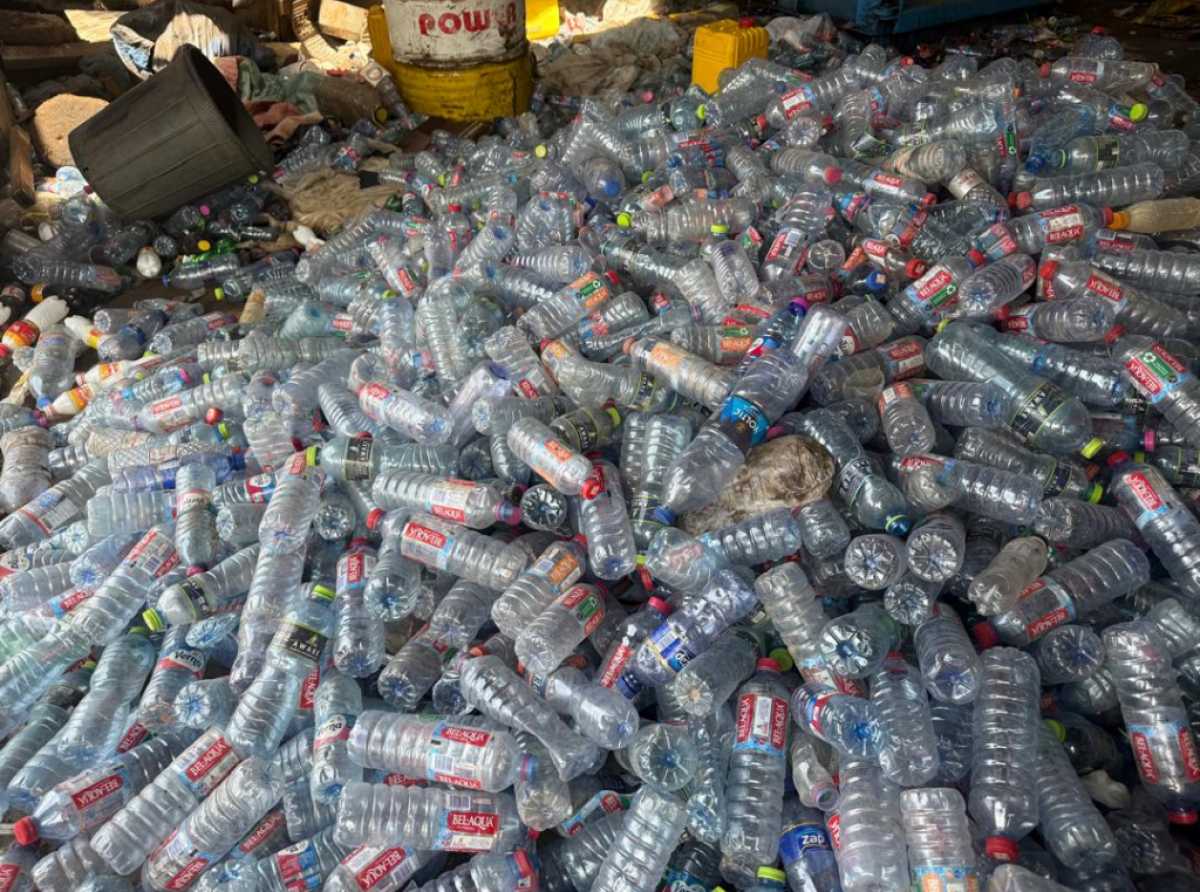
Waste management challenges in the Ashanti Region are expected to intensify as recent global policy shifts in the plastics sector disrupt local recycling operations, forcing some recyclers to shut down while others significantly scale back their activities.
The situation has been triggered in part by new regulations introduced by the European Union, which has implemented a ban on plastic waste imports into its member states. The EU had previously been one of the largest off-takers of recycled plastics from countries like Ghana, providing a key export market for the industry.
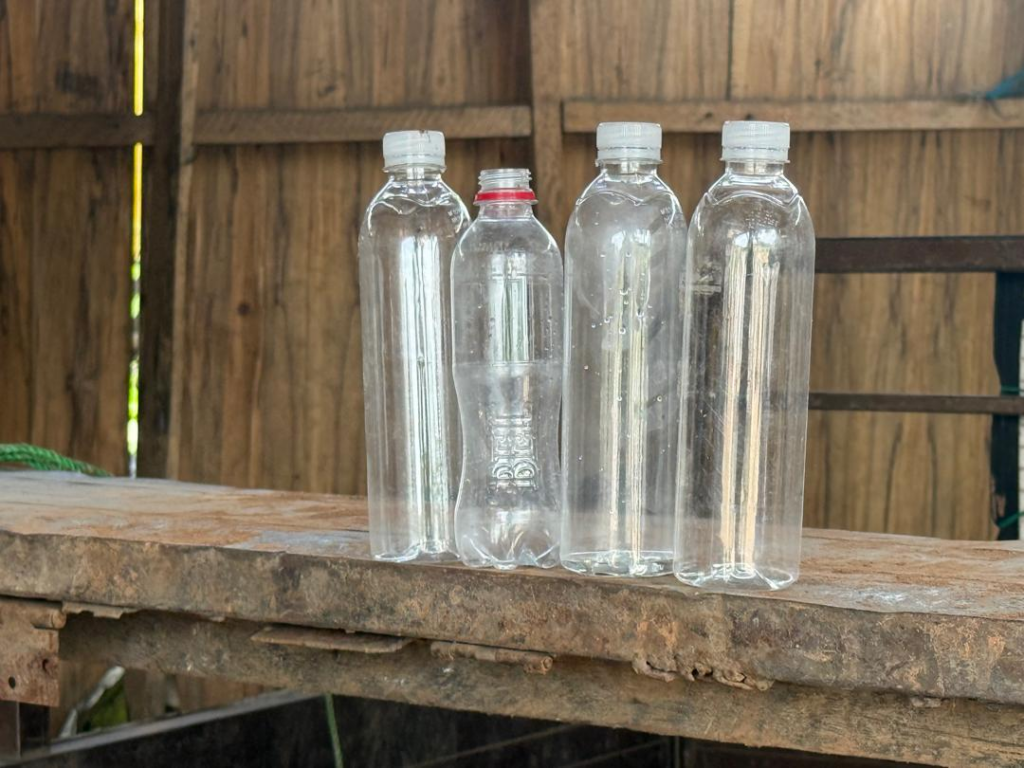
In response to the loss of this market, local plastic manufacturers have adjusted their purchasing preferences, now demanding only clear polyethylene terephthalate (PET) bottles. However, these transparent bottles are not widely used by the food and beverage industry in Ghana, where coloured plastics dominate packaging.
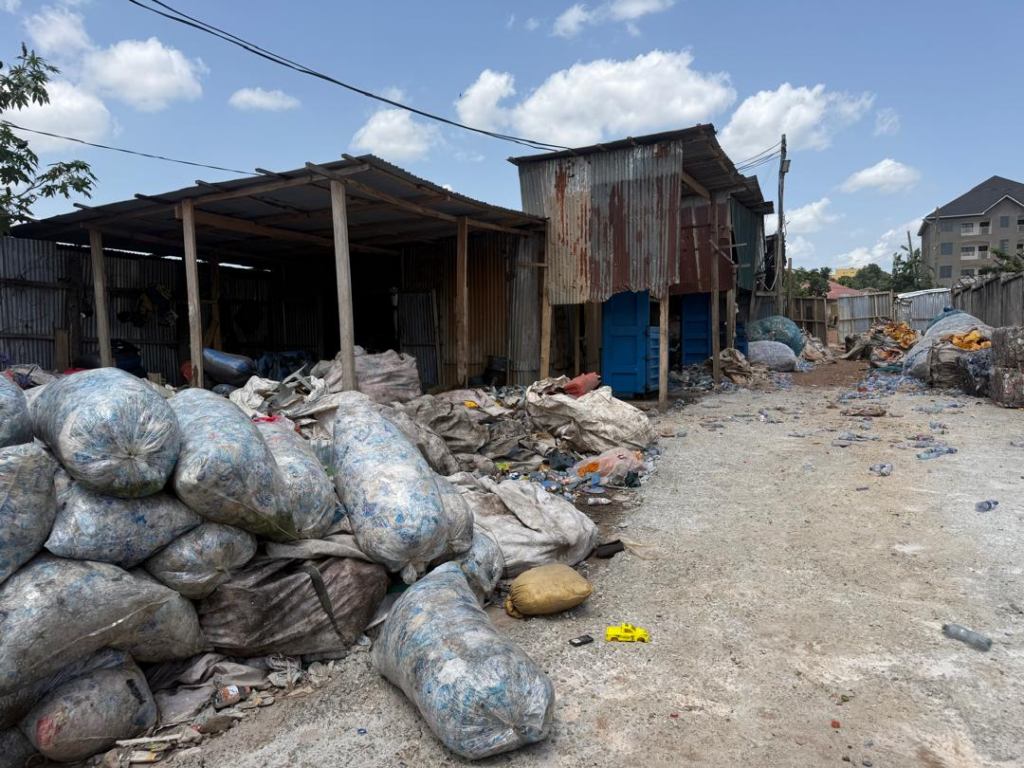
As a result, large volumes of coloured PET plastics are being rejected by recyclers, leading to a buildup of uncollected waste in communities and increasing the risk of environmental pollution.
PET—commonly used for packaging beverages, food products, and household items—is valued for its strength, lightweight nature, and recyclability. But the shift toward clear PET has disrupted the entire value chain, from household collectors to processing facilities.
In Asokore Mampong, a key PET compression facility that previously served as a central collection and sales point for waste pickers is now struggling to operate effectively. Suppliers are reportedly queuing for delayed payments, reflecting cash flow challenges within the recycling ecosystem.
Collectors have also expressed frustration over a sharp decline in prices. According to one collector, a bale of plastics roughly the size of a mosquito net that previously sold for GH¢140 now fetches as little as GH¢40, making the business increasingly unsustainable.
The situation is further compounded by the refusal of recycling companies to purchase coloured plastics, including commonly used water bottles with blue linings. This has left many collectors with stockpiles of unsellable materials.
A household collector, identified as Mamaa, said the changes have severely affected livelihoods within the informal recycling sector. Despite the declining returns, many collectors continue the work out of economic necessity, as it remains one of their few sources of income.
Environmental observers warn that if the trend continues, the Ashanti Region could face worsening sanitation challenges, as plastic waste accumulates in streets, drains, and open spaces.
The development highlights the vulnerability of local recycling systems to global policy shifts and underscores the need for domestic solutions, including investment in local recycling capacity, policy reforms, and the promotion of alternative packaging materials.
Without swift intervention, stakeholders fear that both environmental conditions and livelihoods tied to the recycling sector could deteriorate further in the coming months.

Aikines Anyomi

News
Food
Politics
Technology
About Us
Download Our Mobile App

