President John Dramani Mahama has directed a GH¢2.00 per litre reduction in the regulatory margin on diesel as part of efforts to cushion Ghanaians from rising fuel prices and ease the pressure on the cost of living.
President John Dramani Mahama has directed a GH¢2.00 per litre reduction in the regulatory margin on diesel as part of efforts to cushion Ghanaians from rising fuel prices and ease the pressure on the cost of living.
The Chief Executive Officer of the Chamber of Bulk Oil Distributors (CBOD), Dr. Patrick Kwaku Ofori, has dismissed reports suggesting that Ghana is preparing to introduce daily fuel price adjustments, assuring consumers that the country's existing bi-weekly petroleum pricing system remains unchanged.
_thumbnail.jpg)
The Minister for Energy and Green Transition, Dr. John Abdulai Jinapor, has described the successful revitalisation of the Tema Oil Refinery (TOR) as a major milestone in Ghana's energy sector, saying the refinery's transformation will strengthen investor confidence, increase local crude oil refining and reduce the country's dependence on imported petroleum products.
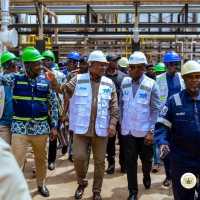
President John Dramani Mahama has commended the Board, Management and staff of the Tema Oil Refinery (TOR) for successfully restoring the refinery's operations without financial support from the government, describing the achievement as a remarkable demonstration of resilience, disciplined leadership and effective corporate governance.
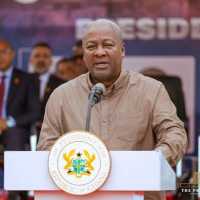
The Chief Executive Officer of the Ghana Gold Board (GoldBod), Sammy Gyamfi, has called for a fundamental shift in Africa’s approach to managing its natural resources, urging governments and stakeholders to prioritise African ownership, value addition and long-term economic transformation.

Economist Professor Godfred Alufar Bokpin has urged the government to ensure that Ghana's recent macroeconomic gains translate into meaningful employment opportunities, arguing that economic stability alone will have little impact unless it improves livelihoods and creates sustainable jobs.

Ghana has officially entered a new phase of engagement with the International Monetary Fund (IMF) following the successful completion of its US$3 billion Extended Credit Facility (ECF) programme, with the country now transitioning to a 36-month Policy Coordination Instrument (PCI).
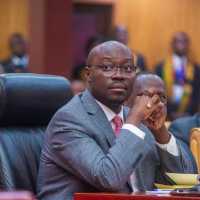
The International Monetary Fund (IMF) Executive Board has approved the sixth and final review of Ghana's US$3 billion Extended Credit Facility (ECF) programme, unlocking a final disbursement of approximately US$371 million and formally bringing the country's three-year bailout programme to an end.

The Importers and Exporters Association of Ghana (IEAG) has called on the Ghana Shippers’ Authority (GSA) to take immediate enforcement action against shipping lines that it says are continuing to impose container administrative charges far above the legally approved limit.
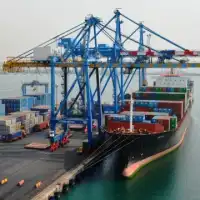
The Executive Board of the International Monetary Fund (IMF) has approved the final review of Ghana's US$3 billion Extended Credit Facility (ECF) programme, officially bringing the country's three-year bailout programme to a successful conclusion.
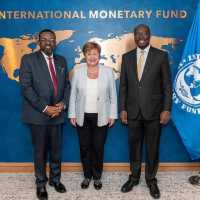
The Parliamentary Select Committee on Economy and Development has commended the National Petroleum Authority (NPA) for its role in regulating Ghana's downstream petroleum industry and supporting the country's economic growth.
_thumbnail.jpeg)
Etihad Airways, the national carrier of the United Arab Emirates (UAE), and Ghana-based Africa World Airlines (AWA) have signed a Memorandum of Understanding (MoU) to establish a strategic partnership aimed at enhancing passenger travel, cargo services, and customer loyalty programmes between Ghana, Abu Dhabi, and the wider global aviation network.

Ghana's banking sector posted strong growth in the first half of 2026, with total industry assets surpassing GH¢500 billion, while banks recorded improved capital strength, better asset quality, and enhanced resilience despite persistent credit risks.
_thumbnail.jpg)