
Stop bribing judges, help expose corruption – Yonny Kulendi to Ghanaians
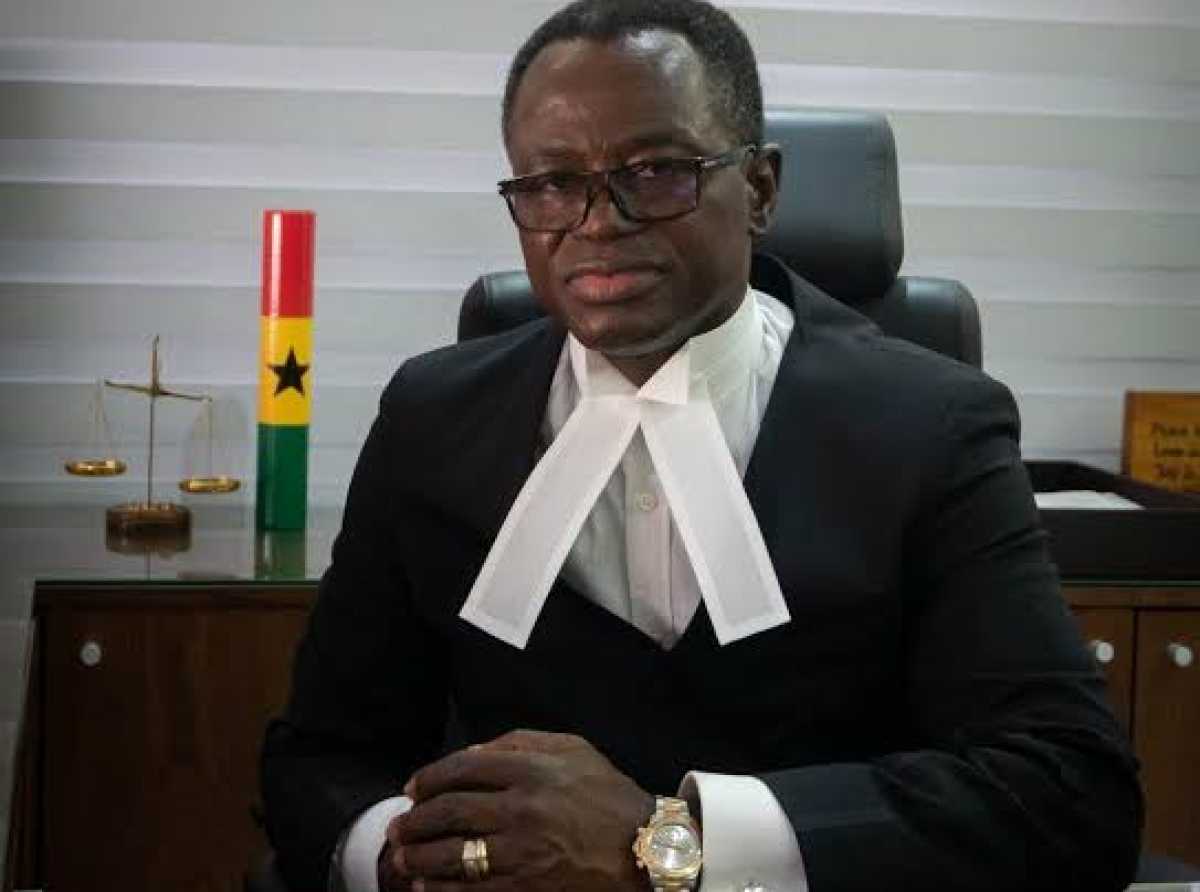
Supreme Court Judge Justice Emmanuel Yonny Kulendi has called on Ghanaians to stop offering bribes to judges, stressing that the fight against corruption in the judiciary cannot succeed without the active cooperation of the public.
Speaking on Citi FM's Citi Breakfast Show on Wednesday, July 8, 2026, Justice Kulendi acknowledged that while corruption exists within the judicial system, the majority of judges and judicial officers serve with integrity, professionalism and a strong commitment to upholding justice.
He argued that public perceptions of widespread corruption in the judiciary should not overshadow the dedication of many judicial officers who discharge their duties honestly despite mounting challenges.
Justice Kulendi maintained that bribery within the justice system is a two-way transaction, insisting that judges cannot accept bribes unless members of the public are willing to offer them.
He therefore appealed to litigants and the general public to reject any attempt to influence judicial decisions through illegal payments.
Judges don't give themselves bribes. It is litigants and Ghanaians who will offer the judge their bribe, even for the judge to contemplate it. So stop bribing your judges because the judge is not supposed to sell justice to you."
According to him, eliminating bribery requires a collective national effort rather than placing responsibility solely on the judiciary.
Justice Kulendi admitted that, like every institution in society, the judiciary has individuals who engage in corrupt practices.
However, he cautioned against portraying all judges as corrupt, noting that such generalisations unfairly damage the reputation of many judicial officers who have dedicated their careers to serving the country with integrity.
I'm not one of those who will say that there are no corrupt judges or there are no corrupt judicial officers."
He explained that judges are drawn from the broader Ghanaian society and therefore reflect both its strengths and weaknesses.
The judges are just a cross-section of Ghanaians. And so to the extent that our society has corrupt people, some of them have filtered into the judiciary."
Justice Kulendi observed that the influence judges wield over legal disputes can make the judiciary attractive to individuals already predisposed to corruption.
He warned that the power associated with judicial office creates opportunities for unethical behaviour if proper safeguards and accountability mechanisms are not maintained.
Despite this reality, he stressed that the judiciary remains home to many honest, dedicated and principled men and women who continue to administer justice fairly and independently.
Referring to developments following the Number 12 judicial corruption exposé, Justice Kulendi said disciplinary processes against judges found to have engaged in misconduct remain active.
He noted that judicial officers implicated in wrongdoing continue to face investigations and sanctions, although all disciplinary actions must comply with constitutional and legal due process.
Day in, day out, people are being flushed out of the system. But there are considerations of due process."
According to him, because judges are entitled to legal protections like every other citizen, disciplinary measures cannot be arbitrary.
He further disclosed that the Judicial Service has intensified ethics education and regularly reminds judges of the professional standards expected of them.
Justice Kulendi encouraged Ghanaians who have credible information about corrupt judges to report them instead of shielding them because of personal or family relationships.
He argued that protecting corrupt officials only weakens public confidence in the administration of justice.If you know a corrupt judge, expose the judge."
He noted that judges implicated in corruption are often protected by relatives and close associates, making it more difficult to identify and remove them from the judicial system.
According to him, exposing corruption is essential if Ghanaians truly want an independent, credible and trustworthy judiciary.
Justice Kulendi assured the public that the Judicial Service will not protect judges who are found guilty of corruption.
He described corruption within the judiciary as particularly destructive because it undermines public trust, weakens the rule of law and erodes confidence in democratic institutions.
The Supreme Court judge also rejected sweeping claims that every judge is corrupt, pointing out that many judicial officers sacrificed highly rewarding careers in private legal practice to serve the nation on the bench.
"If I wanted money, I wouldn't have quit private practice to become a judge."
While acknowledging the existence of "bad nuts" within the judiciary, he said the institution remains committed to identifying, disciplining and removing corrupt officers to preserve the integrity of Ghana's justice system.
Justice Kulendi concluded by urging all Ghanaians to play their part in building a judiciary founded on honesty, accountability and public confidence, emphasizing that combating corruption requires both institutional reforms and a change in societal attitudes.

Aikines Anyomi

News
Food
Politics
Technology
About Us
Download Our Mobile App

