
Tribunals won’t target NPP; NDC won’t be in power forever – Ayariga
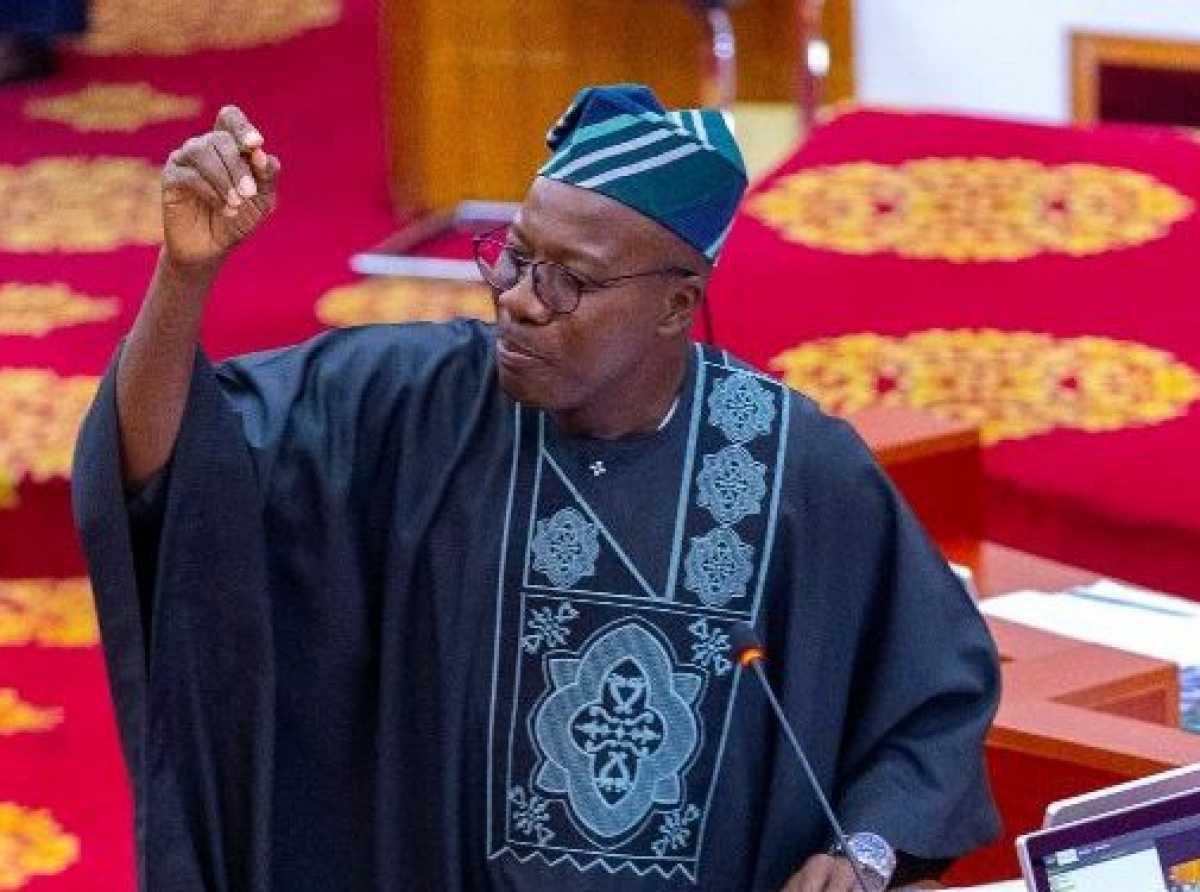
Majority Leader Mahama Ayariga has firmly dismissed allegations that the newly passed Tribunals Bill is intended to target members of the opposition New Patriotic Party (NPP), insisting that the legislation is a judicial reform aimed at speeding up the delivery of justice rather than facilitating political persecution.
His comments come amid growing debate over the Tribunals Bill, 2026, which has sparked sharp divisions between the governing National Democratic Congress (NDC) and the Minority in Parliament. While the Minority has urged President John Dramani Mahama not to assent to the bill, arguing that it could undermine Ghana's justice system, the Majority maintains that the legislation is necessary to address delays in the country's courts.
Speaking on Eyewitness News on Friday, July 17, Mr Ayariga rejected suggestions that the proposed tribunal system was designed to prosecute political opponents, arguing that such claims ignore the reality that governments change through democratic elections.
"When they say, 'Oh, we are setting it up to try NPP people, to use it for political persecution,' as if NDC is going to be in power forever. No. NDC is not likely to be in power forever.
"So, if we set up a system for our opponents; when we leave office, the system will still be there for them to also use against us," he stated.
According to the Majority Leader, the primary objective of the Tribunals Bill is to improve the efficiency of Ghana's judicial system by ensuring that specific categories of cases are heard and determined more quickly.
He noted that the traditional court system has long faced criticism over prolonged delays in adjudicating cases, affecting access to justice for both victims and accused persons.
Mr Ayariga explained that the proposed tribunals are intended to complement existing courts by providing an expedited process for handling designated criminal matters.
"They feel that the traditional courts are slow and so, if you look at this law that we are passing, we have sought to force them to expedite the adjudication of matters, the trial of cases. So, this is fundamentally what the tribunal system tries to deal with," he said.
The Tribunals Bill, 2026, was passed by Parliament after successfully completing its third reading, despite strong resistance from the Minority Caucus.
The legislation seeks to reintroduce regional tribunals under a revised legal framework aimed at strengthening the administration of justice, improving access to legal remedies and accelerating the resolution of certain cases.
However, the Minority has strongly opposed the bill, arguing that it could revive a tribunal system associated with the AFRC and PNDC eras and create constitutional concerns. The caucus has also warned that it may challenge the legislation in court if President Mahama assents to it.
The Majority, on the other hand, insists the new tribunal framework contains adequate legal safeguards and has been carefully designed to improve judicial efficiency without compromising fairness or constitutional principles.
With Parliament having approved the bill, attention now turns to President John Dramani Mahama, who must decide whether to assent to the legislation before it becomes law.
His decision is expected to have significant implications for Ghana's justice system, particularly as the debate over judicial reforms and specialised adjudication continues to dominate political and legal discourse.
Should the President sign the bill into law, it is widely anticipated that the Minority will pursue legal action to challenge its constitutionality before the Supreme Court.

Aikines Anyomi

News
Food
Politics
Technology
About Us
Download Our Mobile App

